A refined Las Olas residence should perform as well during an owner's absence as it does upon arrival. This due-diligence framework examines vacancy care, usable wellness capacity, amenity reservations, indoor air, domestic water, controlled access, and emergency readiness.
In Las Olas, a lock-and-leave residence is more than a condominium with a staffed lobby. It is a home supported by documented systems intended to protect the property, preserve its interior environment, manage access, and provide a predictable response while the owner is away. For a second-home buyer, the distinction is central to comfort and asset stewardship.
Ask management for written vacancy procedures rather than relying on a verbal description of service. Review how the building handles inspections, HVAC settings, water shutoffs, leak response, package retention, emergency contacts, and access for approved vendors. Establish who may enter the residence, how authorization is recorded, whether the owner receives notice, and what occurs if a designated local contact cannot be reached.
Remote leak detection, humidity monitoring, and automatic water shutoff systems deserve particular scrutiny in a frequently vacant waterfront home. Evaluate the equipment as part of an integrated response plan rather than as isolated devices. Confirm who receives alerts, who is authorized to enter after an alarm, and whether incidents and corrective work are documented.
A true lock-and-leave residence is defined by documented response, not a staffed desk.
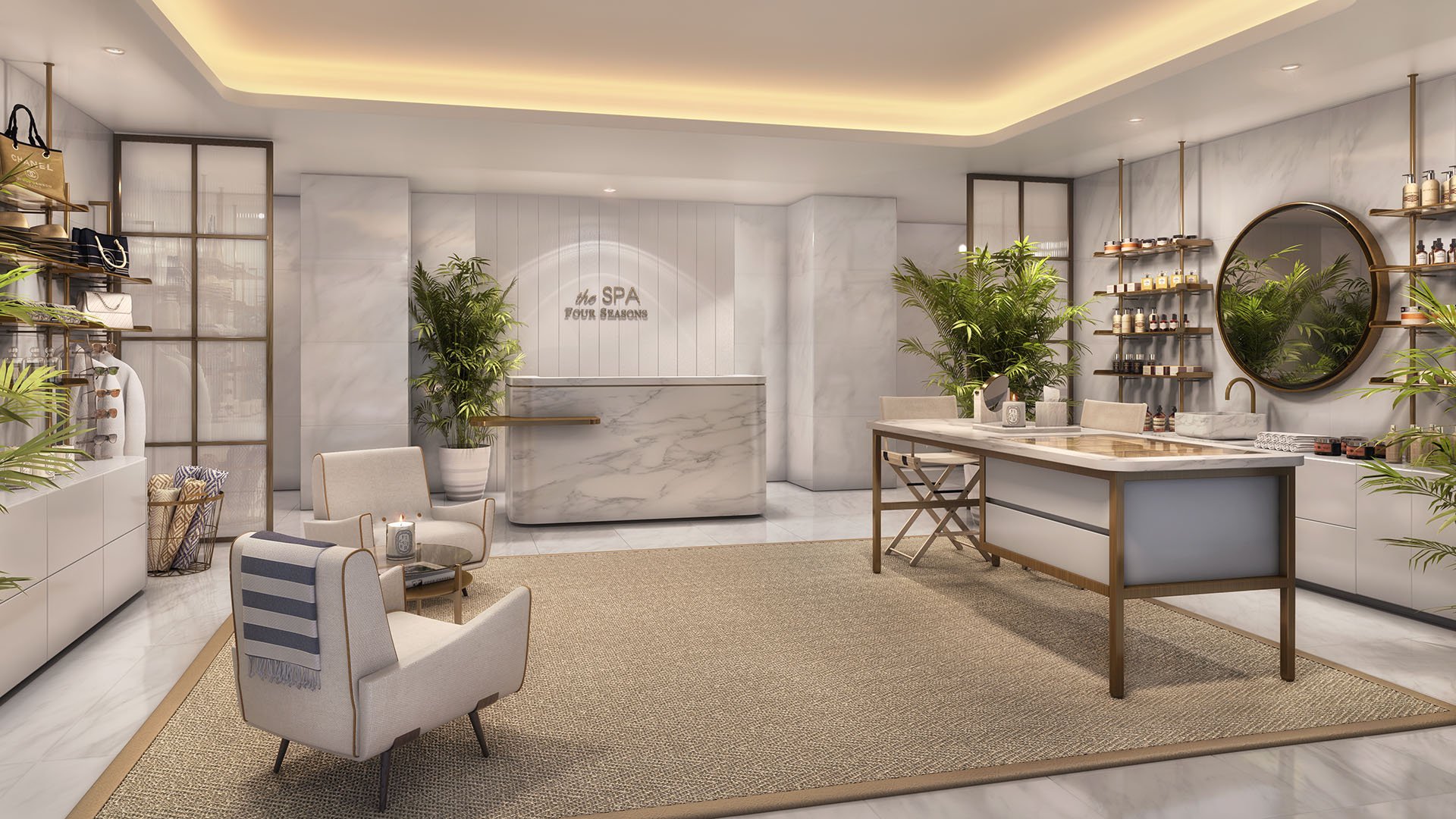
An amenity inventory does not establish practical availability. A buyer should determine whether fitness, spa, pool, treatment, and recovery spaces remain accessible at the times the owner is most likely to use them. The relevant questions concern operating hours, staffing, capacity, maintenance, and the rules governing residents and guests.
Request operating schedules, staffing information, closure procedures, reservation lead times, cancellation rules, fees, guest limits, and occupancy restrictions. If possible, tour during the periods that matter to your routine. A quiet presentation at one time of day may not reveal demand during weekends, holidays, or other busy periods.
Maintenance also affects usable capacity. Ask how wellness spaces are cleaned, ventilated, inspected, and reopened after temporary closures. For pools, steam rooms, saunas, treatment rooms, and fitness areas, identify who is responsible for oversight and how residents are notified when an amenity becomes unavailable.
Buyers expanding their Fort Lauderdale comparison may consider Four Seasons Hotel & Private Residences Fort Lauderdale and The Ritz-Carlton Residences® Fort Lauderdale. Apply the same capacity and documentation tests to every option rather than inferring service levels from branding or presentation.
Obtain the condominium declaration, current rules, and operating policies before treating any reservable amenity as part of your routine. Review the terms for pools, cabanas, club rooms, meeting spaces, fitness areas, treatment rooms, and guest access. The useful question is not simply whether a space exists, but whether an owner can depend on it during a short stay.
Check advance-booking windows, deposits, fees, cancellation deadlines, simultaneous-reservation limits, and restrictions affecting unaccompanied guests. Determine whether private events or other scheduled uses can limit resident access. Ask how rule changes are communicated and whether operating policies are available in writing.
This review helps clarify lifestyle fit. An owner arriving for brief visits may prefer reliable access to a focused amenity program over a larger offering subject to scheduling pressure. Sixth & Rio Fort Lauderdale can be included in an urban comparison using the same rules-first approach.
General wellness language does not establish indoor-air performance. Request HVAC specifications and maintenance responsibilities, including available information about filtration, outside-air supply, dehumidification, filter changes, and remote monitoring. Determine which equipment is controlled by the owner, which is maintained by the association, and whether written settings apply during extended absences.
Ask how the association handles reports involving moisture, mold, odors, or indoor-air concerns. Review the process for investigating affected areas, notifying residents, completing remediation, and documenting corrective work. Corridors and shared wellness areas warrant attention because conditions outside the residence can still affect comfort and confidence.
Smoke policies should be read rather than assumed. Verify whether any restriction applies only inside residences or also covers corridors, amenities, balconies, garages, and other common areas. Ask how complaints are documented and how the policy is enforced.
The same scrutiny should guide a broader coastal search. St. Regis® Residences Bahia Mar Fort Lauderdale may be part of a buyer's comparison, but air quality and smoke controls should still be evaluated through specifications, policies, and available records.
Pool-treatment language is not evidence of drinking-water treatment. For any aquatic amenity, request information about sanitization, testing, maintenance, temporary closures, and responsibility for oversight. These records concern recreational water and should not be used to infer anything about the water delivered to a residence.
Domestic water requires a separate inquiry. Ask whether treatment occurs at the building level, within the residence, or both. Determine whether the system addresses sediment, taste and odor, disinfection, hardness, or another defined concern. Filtration, disinfection, and softening are different functions, so broad marketing terms should be translated into specific equipment and maintenance obligations.
Request available service records and replacement schedules. Confirm who pays for and performs maintenance, how an owner is notified when service is due, and what happens during an extended absence. If a buyer plans to install an in-unit system, verify the association's approval requirements before assuming that modifications are permitted.
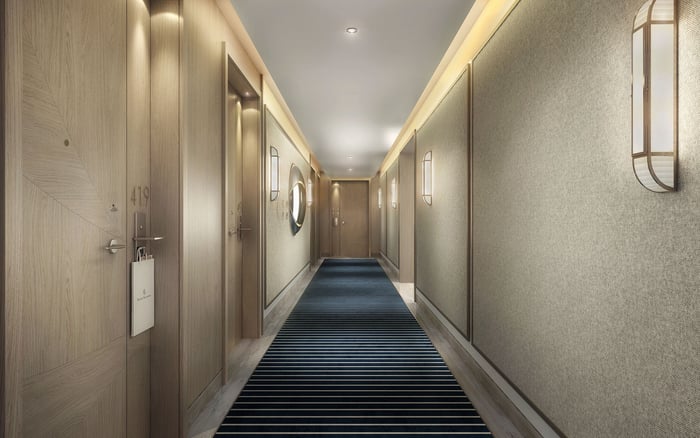
Controlled access should be traced door by door. Review the lobby, garage, service entrance, elevator, amenity levels, waterfront areas, and any other secondary approach. Determine whether credentials differ by location and how temporary access is issued, monitored, and revoked for guests, household staff, contractors, and delivery personnel.
Video surveillance also requires clarification. Recorded footage is not the same as active monitoring. Ask who receives alerts, what circumstances prompt intervention, how incidents are escalated, and whether retention and access procedures are documented. Confirm how management coordinates with emergency responders when the owner is absent.
Vendor access deserves its own protocol. Written authorization should identify who may enter, when access is allowed, whether staff escorts are available, and how entry is logged. The owner should understand what happens if a vendor arrives outside the approved period or if work reveals an urgent condition inside the residence.
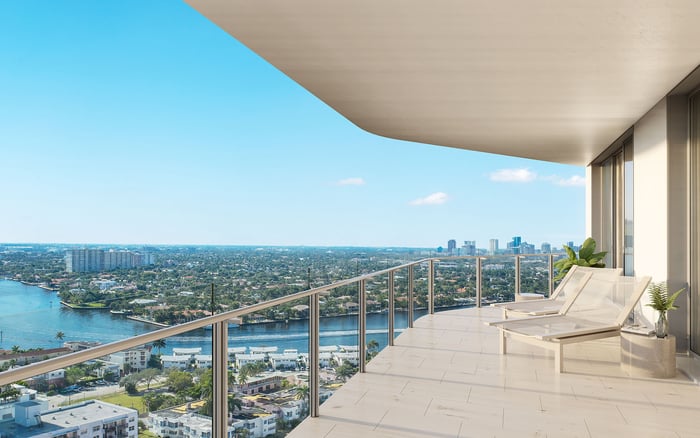
For waterfront properties, include storm preparation and post-event access in the review. Determine how management communicates before and after severe weather, how building access may be restricted, and what documentation an owner can expect if the residence requires inspection.
A concierge desk is not medical infrastructure. Locate available emergency equipment, ask which staff members receive relevant training, and understand how emergency medical personnel enter after hours. Determine how elevators, controlled doors, and unit access are handled when the owner or guest cannot provide entry.
For telehealth, test internet performance, cellular reception, privacy, lighting, and acoustics inside the residence. A shared meeting room may be a useful alternative, but common-area connectivity does not establish confidentiality or reliability. Buyers who depend on virtual appointments should evaluate the actual room and device setup they intend to use.
Medical access should also be considered under realistic traffic conditions. Identify the facilities relevant to your needs, test travel at the times you are likely to be in residence, and confirm services directly with each provider. Keep a current emergency contact plan in the residence and with any person authorized to act during an absence.
The strongest conclusion is documentary. Collect current rules, available engineering and maintenance records, insurance materials, vendor information, and written answers to operational questions. Organize the file by vacancy care, wellness access, indoor air, water, security, and emergency response so that unresolved items remain visible before a purchase decision.
A refined presentation supports the experience, but disciplined verification protects the owner during every absence. In a Las Olas residence, the lock-and-leave promise is strongest when security, wellness, air, water, access, and emergency readiness operate as a coordinated system.
For discreet guidance on evaluating a Fort Lauderdale residence, consult MILLION.
If branded residences are on your mind — as a home or as an allocation — we would be glad to share what we are seeing, privately.
Begin a quiet conversationIt combines controlled access with documented procedures for vacancy care, property monitoring, vendor entry, and owner notification.
It should address inspections, HVAC and water procedures, packages, emergency contacts, leak response, and approved access.
Review hours, staffing, reservation lead times, guest limits, fees, closures, and the rules that apply during periods of high demand.
Review the condominium declaration, current rules, and written operating policies for each reservable or shared space.
Request available information about filtration, outside-air supply, dehumidification, maintenance responsibility, and settings during extended absences.
Not necessarily. Read the policy to determine whether it extends to balconies, corridors, amenities, garages, and other common areas.
No. Recreational-water treatment and domestic-water treatment are separate systems that require different documentation.
Identify what treatment exists, where it occurs, what function it performs, who maintains it, and which service records are available.
No. Buyers should determine whether footage is watched or only recorded, who receives alerts, and how incidents are escalated.
Review emergency entry procedures, available equipment, staff readiness, telehealth conditions, and realistic travel to preferred care facilities.