A disciplined review of association records can reveal whether a boutique Aventura condominium combines discretion with sound governance and manageable owner exposure.
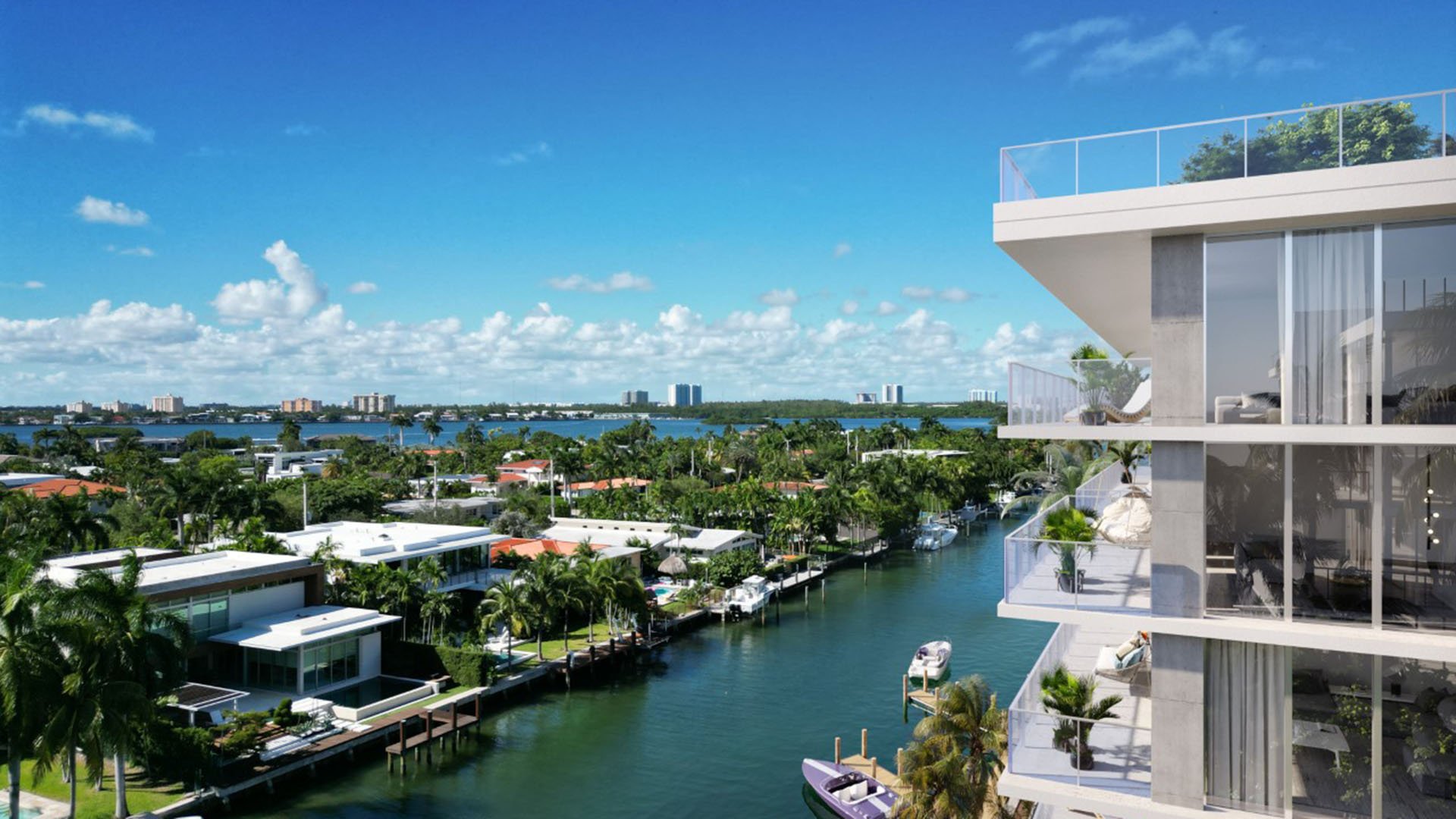
A boutique condominium in Aventura can offer precisely what many luxury buyers value: a more intimate arrival, fewer shared spaces and a sense of residential privacy. Yet a smaller community also concentrates financial and governance risk. An unfunded project, uninsured claim or adverse judgment is divided among fewer owners, potentially magnifying the burden on each residence.
The quality of the apartment is therefore only half of the acquisition. The other half is the association behind it. Whether comparing a resale residence with a newer proposition such as Avenia Aventura, buyers should examine the records with the same care they bring to architecture, views and finishes.
Florida gives official-record inspection rights to unit owners and their authorized representatives-not automatically to prospective purchasers. The purchase contract should therefore require the seller to authorize access and make a satisfactory review a condition of the transaction. Florida condominium counsel can tailor the language and preserve the necessary timing.
Meeting minutes are official records and must be retained for at least seven years. Official records generally must be produced within 10 working days of a written request and maintained within 45 miles of the condominium or in the same county. Delayed, incomplete or disorganized production does not by itself establish a violation, but it is a governance warning worth investigating.
For a waterfront acquisition or second-home strategy, elegant common areas should never substitute for documentary clarity. The same principle applies when considering nearby low-density choices such as Regalia Sunny Isles Beach.
Request at least 12 months of board and owner-meeting minutes, then seek a longer record when possible. Read them chronologically rather than as isolated summaries. Create a simple issue log covering water intrusion, elevators, life-safety systems, insurance, engineering work, owner disputes, vendor changes and capital projects.
Recurring references matter more than polished wording. A roof discussion that disappears without a recorded resolution, repeated elevator complaints or postponed engineering work should prompt requests for reports, bids, budgets and funding plans. Mentions of concrete restoration, fire-alarm upgrades, elevator modernization or insurance shortfalls should also lead to a review of assessment schedules.
The essential distinction is between an identified issue with a documented solution and an unresolved issue with an uncertain cost. Buyers evaluating Jade Signature Sunny Isles Beach or any other luxury condominium should apply that distinction consistently.
Open-meeting minutes cannot provide a complete litigation picture. Qualifying meetings with association counsel about proposed or pending litigation may be closed, and privileged legal discussions may not appear in public minutes. Silence does not confirm that no dispute exists.
Request a written summary of pending and recent lawsuits, arbitration, mediation, pre-suit demands, construction-defect claims, insurance disputes and settlements. It should identify each matter, the claim type and the association’s role without demanding privileged advice. Then compare it with legal-expense entries, financial statements, insurance information, lender questionnaires, the estoppel certificate and any relevant references in the minutes.
Any inconsistency requires explanation before the contingency period expires. The objective is not merely to identify a lawsuit, but to understand defense coverage, possible uninsured exposure, settlement obligations and whether the association has budgeted for the matter.
Associations must retain current contracts, management agreements, leases and bids received for work among their official records. Review material agreements covering management, security, maintenance, cleaning, elevators, construction and insurance brokerage.
For each major contract, match the executed document to the corresponding agenda, discussion and recorded vote. Confirm the contracting entity, term, renewal mechanics, termination rights, pricing structure and scope. Unexpected extensions, unexplained vendor substitutions or material commitments without a clear paper trail warrant follow-up.
This contractual discipline is central to investment analysis because recurring operating costs shape both the ownership experience and future marketability. It remains relevant across the luxury coastline, including residences such as Oceana Bal Harbour.
Florida law regulates transactions that may create conflicts involving condominium directors, officers and certain relatives. A proposed conflict activity should appear on the board agenda, with the relevant contract and transaction documents attached. The minutes should record the disclosure, the board’s handling of the matter, the vote and any abstention.
Compare the names of directors and officers with vendor ownership information, focusing on management, maintenance, construction, security, cleaning, elevator and insurance businesses. Request the association’s written conflict-of-interest and procurement policies, then verify that actual practice follows the required notice, disclosure, documentation and approval procedures.
A connection is not, by itself, proof of misconduct. The concern is an undisclosed or poorly documented arrangement, particularly when pricing, bidding or approval appears opaque. Missing prior notice and disclosure can create a rebuttable presumption that a conflict existed.
Build a concise matrix with four columns: issue, supporting document, estimated financial pathway and unresolved question. For every unfunded project, uninsured claim or adverse judgment, divide the potential obligation by the building’s unit count as an initial concentration test. This is not a final assessment calculation, but it brings the scale of boutique-building exposure into sharper focus.
Review the declaration, bylaws, rules, pending amendments and purchase agreement alongside the association file. Counsel should confirm current law, evaluate incomplete disclosures and determine whether further records or contractual protections are appropriate. If required records are not produced, official guidance and complaint resources are available.
How many months of meeting minutes should a buyer request? Start with at least 12 months, then extend the review to identify recurring repairs, disputes and developing assessments.
Can a prospective buyer directly exercise statutory inspection rights? Those rights belong to owners and authorized representatives, so the contract should require seller-authorized access.
Does silence in board minutes mean there is no litigation? No. Certain attorney meetings may be closed, and privileged discussions may not appear in open-meeting minutes.
Which capital-project references require follow-up? Roofs, concrete restoration, fire alarms, elevators and insurance shortfalls should trigger requests for reports, bids and funding plans.
What should a litigation summary include? It should identify pending and recent proceedings, the claim type, the association’s role and relevant settlement status without privileged advice.
Which contracts deserve the closest review? Focus on management, security, maintenance, cleaning, elevators, construction and insurance brokerage agreements.
How should contract approvals be verified? Match each executed agreement to the corresponding agenda, board discussion, vote and any bids maintained in the records.
What indicates a properly handled related-party transaction? Look for advance agenda disclosure, attached transaction documents, a recorded vote and any required abstention.
Why does unit count matter in boutique due diligence? Fewer residences can concentrate the per-owner burden of unfunded projects, uninsured claims or adverse judgments.
Who should review unresolved legal or governance concerns? Florida condominium counsel should assess current law, contractual protections, privileged gaps and incomplete disclosures.
For a confidential assessment and a building-by-building shortlist, connect with MILLION.
If branded residences are on your mind — as a home or as an allocation — we would be glad to share what we are seeing, privately.
Begin a quiet conversation