For Aventura waterfront buyers, the strongest residence is not necessarily the newest or most lavish. It is the one supported by current inspections, adequate structural reserves, a credible project schedule and a board record that turns future obligations into measurable costs.
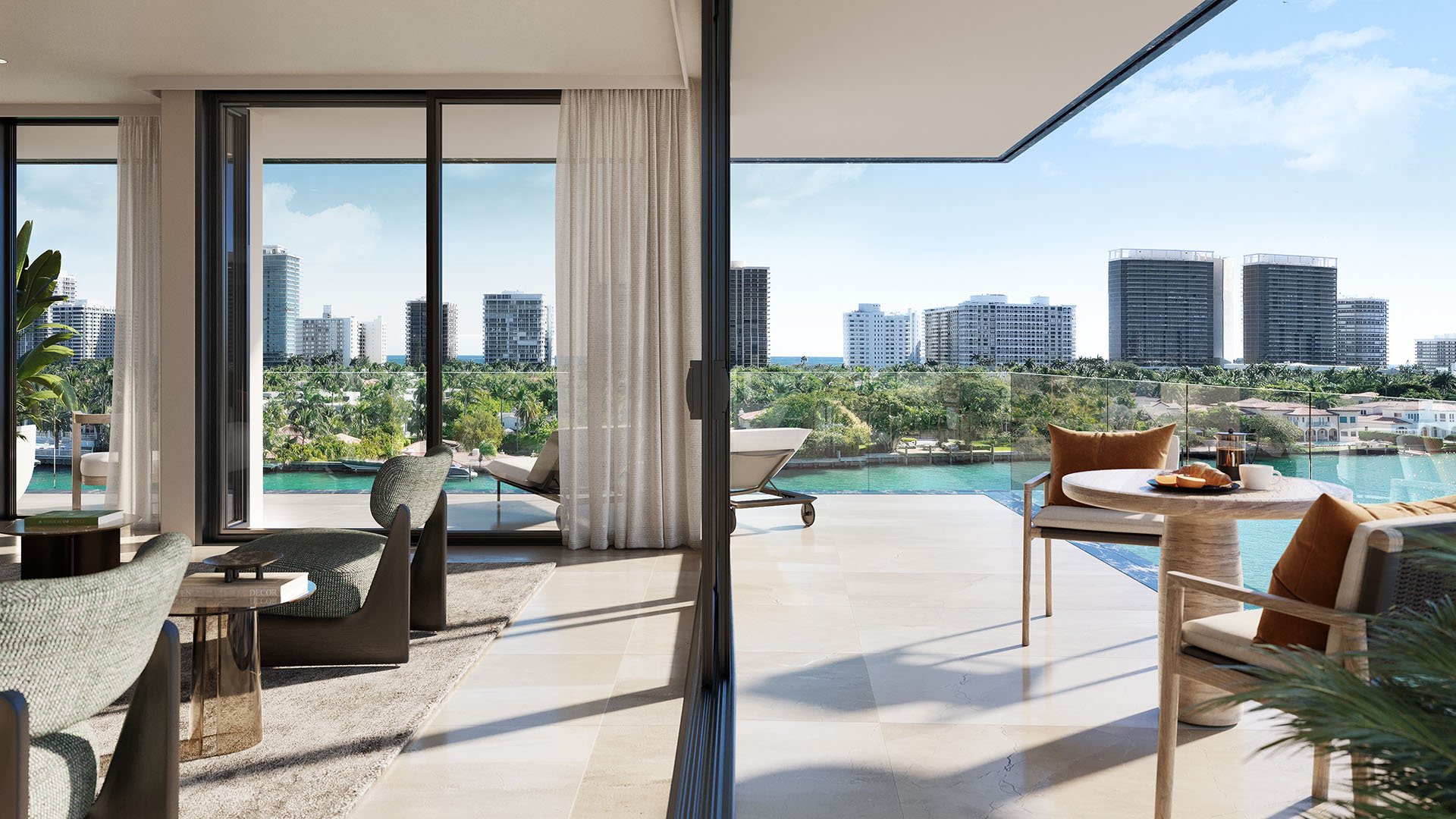
In Aventura, a water view, private arrival and polished amenity program may define the ownership experience, but they do not determine exposure to special assessments. That risk depends more heavily on inspection compliance, structural reserves and the association’s discipline in funding capital obligations before they become urgent.
This distinction is especially important for waterfront condominium buyers. Most of Aventura’s waterfront inventory falls within the coastal zone associated with an earlier milestone timeline. Buildings of three stories or more generally face milestone inspections at 30 years, or 25 years when located within three miles of the coast. Aventura has also announced initial recertification at 25 years for affected buildings, followed by recertification every 10 years.
The result is a more exacting definition of “best.” For assessment-conscious buyers, the preferred residence is one whose association can document what must be repaired, what it will cost, how much has been reserved, when owners must contribute and when the work should be completed.
The most desirable waterfront purchase is the one whose future obligations can be measured.
This ranking identifies the strongest residence profiles supported by the available facts. It prioritizes quantifiable exposure and credible funding over age, branding or amenity count.
1. Waterview - disclosed, quantifiable obligation
Waterview offers the clearest example of known exposure. For Unit 1241, the disclosed 40-year recertification assessment is $302 per month from June 2023 through May 2033. That does not make the residence assessment-free, but it gives a buyer a defined payment schedule that can be incorporated into the effective acquisition cost.
The essential closing questions concern the unpaid balance, responsibility between buyer and seller, the precise scope of the funded work and whether further deficiencies remain. A predictable obligation can be underwritten. An open-ended repair program without committed funding is harder to price.
2. Recertified waterfront residence - completed work with replenished reserves
An older residence can present more measurable risk than a building approaching inspection without a documented plan. The preferred candidate has completed recertification and related repairs, closed outstanding deficiencies and rebuilt reserves afterward.
Recertification alone is not sufficient. Buyers should confirm that the association did not exhaust its reserves to complete the work, leaving the next capital cycle underfunded. The most compelling file pairs completion records with healthy post-project balances and a current schedule for remaining components.
3. Newer waterfront residence - longer runway supported by active funding
A materially newer tower may carry lower near-term inspection exposure, but age is only a starting point. The association should already be accumulating adequate reserves for future structural obligations rather than treating the first major inspection as a distant concern.
The strongest newer-building candidate combines a current Structural Integrity Reserve Study, regular reserve contributions and board minutes that acknowledge future work. A modern facade without a disciplined funding mechanism offers less protection than its appearance suggests.
The latest Structural Integrity Reserve Study, commonly called the SIRS, is central to the review. It evaluates major components and establishes the funding needed for future repairs. Buyers should read it alongside the current budget, reserve balances and planned-project schedule, not as a standalone technical document.
A credible plan identifies each project’s scope, estimated cost, reserve contribution, owner-payment schedule and expected completion date. A vague statement that an assessment is “planned” provides little protection. It does not reveal whether bids are current, whether reserves cover a meaningful portion of the work or whether payment timing aligns with construction.
Rising construction and insurance costs can widen reserve shortfalls in aging condominiums. Even the inspection itself, which may cost approximately $5,000 to $25,000 depending on building size, can be modest relative to the remediation required after deficiencies are found. Thin reserves commonly lead to special assessments or steep increases in regular fees when necessary work can no longer be deferred.
Buyers may begin with Avenia Aventura when reviewing residential options in the city, then widen the geographic comparison to nearby coastal properties such as Turnberry Ocean Club Sunny Isles, Jade Signature Sunny Isles Beach and Muse Residences Sunny Isles Beach. These residences are useful starting points for discovery, not evidence of any association’s reserve strength or assessment status.
Every candidate requires the same document review. A newer address, prestigious name or higher purchase price should never substitute for the latest budget, SIRS, inspection materials, reserve statements, project schedule and board minutes. Coastal exposure makes this consistency particularly valuable.
Review five to 10 years of special-assessment history. The pattern can reveal whether the association plans proactively or repeatedly turns to owners for urgent cash calls. Occasional assessments are not automatically evidence of poor governance, particularly when the scope, cost and completion timetable are transparent. Repeated surprises deserve closer attention.
Biscaya III provides a useful verification lesson outside the waterfront shortlist. A residence there was described as having passed its 40-to-50-year recertification, with maintenance fees including reserves and no special assessments anticipated. Those representations should be confirmed through association records, inspection materials, board minutes and the estoppel certificate rather than accepted as final.
Buyers should also distinguish between “no current assessment” and “no foreseeable capital need.” The first describes a moment. The second requires evidence. Completed recertification does not eliminate future exposure if reserves were depleted or identified deficiencies remain unresolved.
For readers using MILLION buyer’s guides, the practical distinction is not simply newer construction versus resale. It is documented funding versus ambiguity. An investment analysis should include regular assessments, the total unpaid balance of any special assessment, scheduled reserve increases and the buyer’s potential responsibility at closing.
Request the current budget, reserve balances, latest SIRS, milestone and recertification materials, planned-project schedule, recent board minutes and five to 10 years of assessment history. Ask whether contracts have been signed, whether estimates have been updated and whether reserves are restricted to particular components. Confirm every seller representation through the association and closing documents.
The best waterfront residence in Aventura is therefore not automatically the building with no assessment today. It may be a recertified property with completed work and replenished reserves, a newer tower funding future obligations early or a residence with a fully disclosed payment schedule. In each case, credibility comes from documents that connect scope, money and timing.
For discreet guidance in evaluating Aventura waterfront opportunities and their financial records, connect with MILLION.
If branded residences are on your mind — as a home or as an allocation — we would be glad to share what we are seeing, privately.
Begin a quiet conversationInspection compliance, structural reserves and the association’s funding discipline matter more than luxury positioning alone.
Buildings of three stories or more generally face milestone inspections at 25 years when located within three miles of the coast.
A SIRS evaluates major structural components and estimates the funding required for future repairs.
No. Buyers should verify that deficiencies were resolved and reserves were replenished after the work.
Yes. A disclosed assessment with a defined balance and payment schedule can be incorporated into the effective acquisition cost.
The listing disclosed 40-year recertification and a $302 monthly assessment running from June 2023 through May 2033.
Request the current budget, reserve balances, latest SIRS, inspection materials, project schedule, board minutes and assessment history.
A five-to-10-year history can reveal whether the association plans proactively or repeatedly relies on owner cash calls.
No. A newer building offers a longer inspection runway only if it is also accumulating adequate reserves for future obligations.
It should identify project scope, cost, reserve contributions, owner-payment timing and an expected completion date.