A discreet pre-purchase framework for Monaco buyers aligning a Miami Beach residence with cross-border ownership, succession, tax review, governance, and liquidity planning.

For a Monaco-based buyer, a Miami Beach acquisition can serve as both a personal residence and a significant cross-border asset. The most productive estate-planning conversations therefore begin before an offer is signed, while choices around ownership, financing, succession, and governance remain open.
This is more than a closing exercise. It requires a coordinated review involving the buyer’s Monaco counsel, U.S. tax advisor, Florida real-estate attorney, estate-planning counsel, and, where relevant, trustees, family-office executives, lenders, and insurance specialists. Every advisor should work from the same facts: who will use the home, who will fund it, how long it may be held, whether it may be rented, and what should happen after incapacity or death.
Unlike generic buyer’s guides, the resulting plan should reflect the family rather than a standard purchasing template. A Miami Beach second home intended for several generations may require a different approach from a residence acquired for one individual’s seasonal use.
The first meeting should establish the buyer’s citizenships, residences, family relationships, existing entities, trusts, wills, marital arrangements, and current asset map. Advisors can then identify which questions require Monaco analysis, which call for U.S. federal analysis, and which fall specifically within Florida property and probate law.
Ask the team to create a written responsibility matrix. It should specify who will advise on U.S. transfer and income-tax questions, who will review Monaco inheritance considerations, who will draft or amend documents, and who will confirm that the closing structure follows the approved plan. The objective is not one universal answer, but the avoidance of several technically sound answers based on inconsistent assumptions.
Timing deserves equal attention. The structures used in the purchase contract, deposit, financing application, and final title documents should be reviewed as a connected sequence. Last-minute changes can create practical friction, so decision deadlines should be set well before closing.
Buyers should ask advisors to compare individual ownership, joint arrangements, companies, partnerships, and trust-based structures without assuming that the most private or elaborate option is necessarily the most suitable. The analysis should address control, tax treatment, succession, financing eligibility, administration, disclosure obligations, and the mechanics of a future sale.
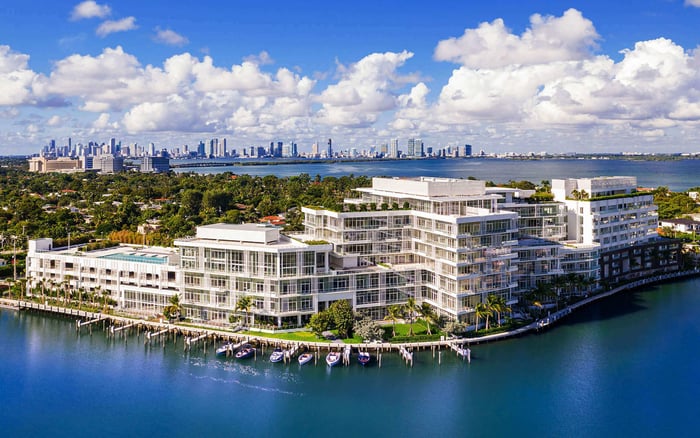
For a waterfront residence such as The Perigon Miami Beach, the family may focus first on lifestyle and long-term use. Even so, the legal owner, source of funds, authorized signatory, and beneficial users should be settled before documents circulate.
The same discipline applies to branded or hospitality-oriented settings such as Shore Club Private Collections Miami Beach. Advisors should review the intended pattern of occupancy and any contemplated rental activity rather than rely on a broad label such as vacation home or investment property.
A Florida residence should be mapped against the buyer’s existing succession documents. Counsel can determine whether a separate U.S.- or Florida-focused will is appropriate, whether an existing trust can participate, and how to prevent one document from unintentionally revoking or contradicting another.
The discussion should extend beyond death. Establish who can sign documents, manage bills, communicate with the condominium, handle insurance, and make urgent property decisions if the owner is unavailable or incapacitated. Powers of attorney, trustee authorities, corporate resolutions, and family-office mandates should use compatible names and capacities.
For highly serviced homes such as Setai Residences Miami Beach, continuity may also depend on practical records. Maintain a secure file containing governing documents, advisor contacts, insurance information, access protocols, recurring payment instructions, and an inventory of valuable contents.
Estate planning can fail operationally when a family holds valuable assets but lacks readily accessible funds or an authorized decision-maker. The advisory team should estimate liquidity needs for purchase costs, ongoing carrying expenses, potential tax obligations, professional fees, property administration, and any period during which ownership or control is being resolved.
Determine whether insurance, cash reserves, credit arrangements, or other assets are intended to meet those needs. Advisors should confirm who controls each resource, where it sits, and whether it would be available at the relevant time. A liquidity plan should be tested, not merely referenced in a memorandum.
The home’s scale also matters. Penthouses and larger residences can include substantial furnishings, art, vehicles, staff arrangements, or other assets requiring separate title, insurance, or succession review. Those items should not automatically be treated as part of the real estate.
Property selection and estate planning should proceed in parallel. A buyer comparing Five Park Miami Beach with a more intimate oceanfront option may encounter different documents, operating arrangements, completion timelines, and use expectations. Advisors need the actual purchase materials to evaluate the contemplated transaction.
Before committing, give counsel the proposed contract, purchaser name, financing outline, deposit schedule, intended users, and anticipated holding period. Request a concise written summary of unresolved issues, required approvals, document changes, and post-closing obligations. The objective is a structure the family can understand and administer, not one that works only on the day of closing.
The final planning file should explain why the ownership structure was selected, who controls it, who may occupy the home, how expenses are paid, and which events trigger a review. It should also record where original documents are held and which advisor leads each part of the plan.
Schedule reviews after major family, residency, financing, or legislative changes, as well as before a sale, transfer, substantial renovation, or change in use. Clear governance can preserve flexibility while reducing the risk that future decisions are made without the full cross-border context.
When should Monaco buyers begin estate planning for a Miami Beach purchase? Begin before signing an offer or selecting the purchaser named in the contract, while structural choices remain open.
Which advisors should participate? The team may include Monaco counsel, U.S. tax and estate advisors, a Florida real-estate attorney, trustees, lenders, and insurance specialists.
Should the property be purchased personally or through an entity? There is no universal answer. Advisors should compare the tax, control, succession, financing, privacy, and administrative consequences.
Does an existing Monaco will automatically cover the Florida residence? Counsel should review its scope and interaction with U.S. and Florida documents before the purchase is completed.
Why discuss incapacity as well as inheritance? The family needs a clearly designated person with authority to pay expenses, manage the property, and make time-sensitive decisions.
What information should buyers give their advisory team? Provide citizenship and residency details, family relationships, existing structures, funding sources, intended use, and holding plans.
Should furnishings and art be included in the estate plan? They should be reviewed separately for ownership, insurance, valuation, administration, and succession treatment.
How should liquidity be considered? Advisors should test access to funds for carrying costs, professional fees, administration, and potential tax obligations.
When should the plan be reviewed after closing? Review it after significant family, residency, financing, legal, ownership, or property-use changes.
What should the buyer retain in the final planning file? Keep executed documents, ownership records, advisor contacts, authority instruments, insurance details, and a concise governance summary.
For a discreet conversation and a curated building-by-building shortlist, connect with MILLION.
If branded residences are on your mind — as a home or as an allocation — we would be glad to share what we are seeing, privately.
Begin a quiet conversation