A buyer-oriented look at how Wellington equestrian estates and Palm Beach-area luxury homes should be evaluated through recurring fees, club obligations, barn operations, reserve planning, and long-term ownership structure.
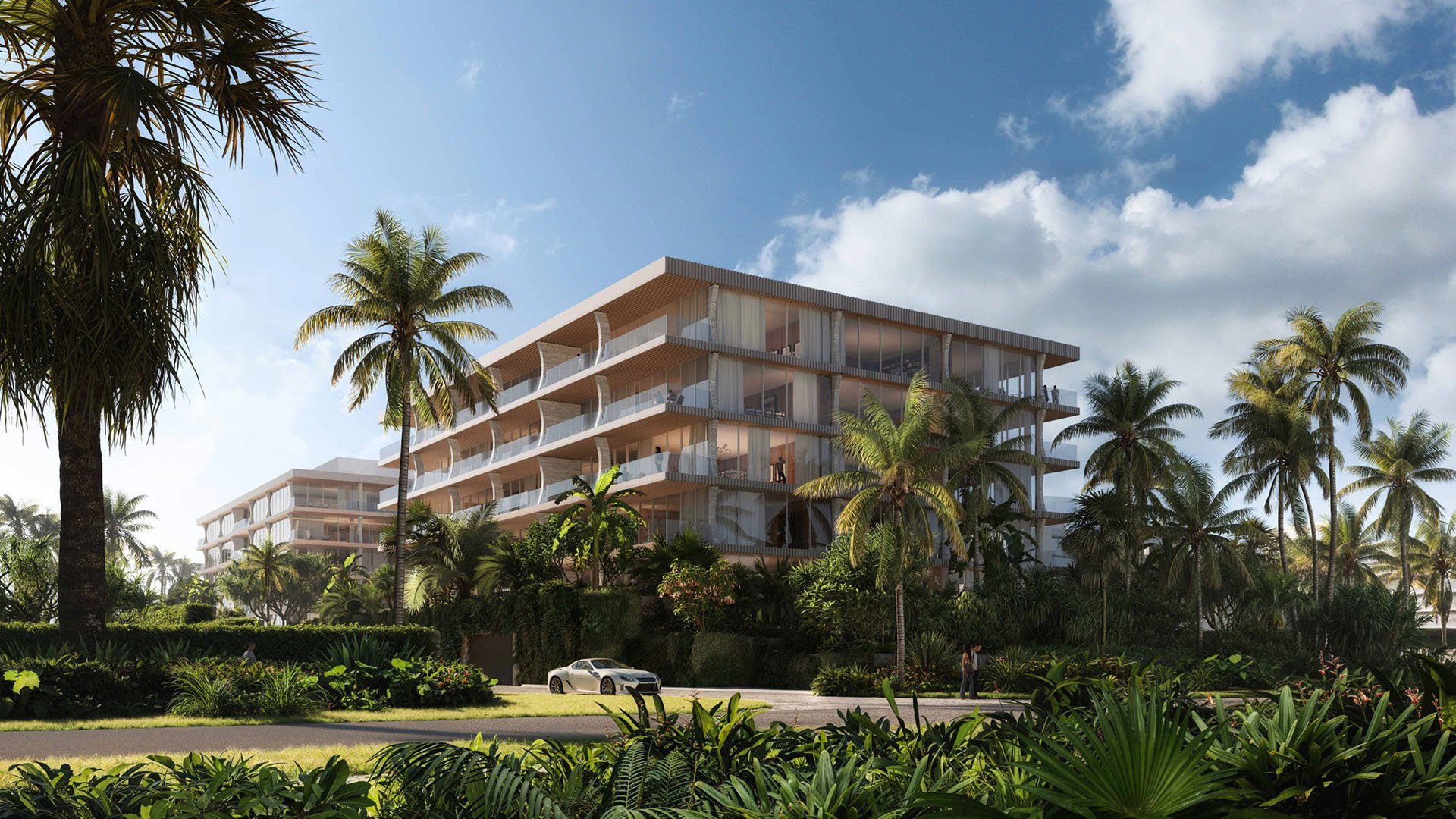
In Wellington and the surrounding Palm Beach luxury corridor, an equestrian estate is rarely defined by the residence alone. The home, barn, paddocks, arena access, staffing patterns, landscape requirements, insurance profile, and private-club expectations all shape the true cost of ownership. For a buyer accustomed to waterfront condominiums or traditional estate neighborhoods, the purchase can feel less like acquiring a property and more like taking on a private operating platform.
That is why fee structure matters. The strongest acquisitions begin with a clear separation between real estate expenses and lifestyle expenses. Taxes, insurance, security, landscaping, utilities, and association charges belong in one column. Horse care, show-season logistics, barn labor, transportation, feed, veterinary care, farrier work, and equipment belong in another. Club dues, event access, dining minimums, and social privileges may sit in a third. When these categories are blended too early, buyers can underestimate the actual rhythm of ownership.
For South Florida’s ultra-premium buyer, discretion is equally important. Many estates are evaluated quietly, often with counsel, managers, and advisors involved before a family ever walks the property. The goal is not simply to locate acreage, but to determine whether the cost structure suits the family’s riding calendar, privacy needs, household staffing model, and long-term estate plan.
A Wellington equestrian purchase should be reviewed in layers. The first is the residence itself: roof, mechanicals, interior condition, storm protection, smart-home systems, pool, guest accommodations, and staff areas. The second is the land: drainage, irrigation, fencing, turnout configuration, tree maintenance, privacy buffers, and access for service vehicles. The third is the equestrian infrastructure: barn condition, stall count, ventilation, tack rooms, wash racks, storage, ring footing, lighting, and trailer movement.
The fourth layer is governance. Some luxury properties sit within associations, while others carry separate community or club requirements. A buyer should understand what is mandatory, what is optional, what transfers, what requires approval, and what can change over time. A low visible fee can still be paired with meaningful private operating expenses, while a higher association charge may absorb services that would otherwise be arranged individually.
This is where a refined buyer process becomes essential. The question is not, “What is the fee?” The better question is, “What does this fee actually control, and what will I still be responsible for privately?” That answer can affect household budgeting, staffing, resale positioning, and even how comfortably a family uses the estate during peak season.
Association fees may support gates, roads, common landscaping, security, architectural review, common-area maintenance, and administrative functions. In some communities, they may also reflect a broader lifestyle environment. Club dues, by contrast, may relate to amenities, sports, dining, events, riding facilities, or social privileges. Private operations are the owner’s own recurring responsibilities, often the largest variable in an equestrian setting.
A buyer should not treat these categories as interchangeable. An association fee is usually tied to property governance. A club due is tied to lifestyle access. A barn budget is tied to actual use. If the family rides intensely, travels with horses, hosts trainers, or participates in seasonal competition, the private operating side may matter more than the community line item. If the family wants a lock-and-leave winter estate with limited horse activity, the calculus changes.
In the Palm Beach luxury conversation, this distinction is especially important because buyers may compare Wellington acreage with West Palm Beach convenience, golf communities, coastal estates, or service-rich condominium living. The recurring cost patterns are not comparable unless they are placed into the same framework.
The barn is both an amenity and a responsibility. A well-designed barn can make daily life fluid for riders, grooms, trainers, veterinarians, and guests. A poorly planned one can create friction even on a beautiful parcel. Before contract, buyers should study circulation, ventilation, shade, storage, waste handling, water access, feed delivery, equipment placement, and emergency access.
The more sophisticated the equestrian use, the more the barn behaves like an operating asset. It requires maintenance, supplies, labor, scheduling, and oversight. Ring footing may need expert care. Fencing may require continual attention. Landscaping must balance beauty, safety, and durability. Drainage is not cosmetic; it affects usability. Even service entries and parking areas deserve scrutiny because they influence daily operations during the busiest months.
This is why a pure price-per-square-foot analysis is insufficient. Two estates with similar residences can produce dramatically different ownership experiences if one has efficient equestrian infrastructure and the other requires redesign. Luxury in this category is measured by ease, privacy, safety, and the ability to support a family’s equestrian life without improvisation.
Reserve planning is central to responsible ownership. Luxury estates require capital planning for roofs, mechanical systems, landscape renewal, pool systems, generators, driveways, fencing, barns, and arenas. In an equestrian environment, the cost of being unprepared can be disruptive. Buyers should think beyond monthly fees and evaluate whether the property has a credible path for major maintenance over time.
Insurance also deserves early attention. Estate buyers should review coverage needs for the residence, liability exposure, staff activity, equestrian use, vehicles, trailers, outbuildings, and storm-related risk. The right structure depends on how the property will actually be used. A family with occasional riding needs is not the same as a household running a full seasonal barn operation.
The same applies to staffing. Some owners prefer in-house management. Others use outside vendors and specialists. Each model has advantages, but each must be coordinated. A polished estate can lose its ease quickly if vendors, barn staff, household staff, and security protocols are not aligned.
The resale audience for a Wellington equestrian estate is highly specific. Buyers often seek a combination of privacy, acreage, barn utility, proximity to the season’s activity, and a residence that feels current without being fragile. A beautiful house with inefficient equestrian infrastructure may appeal to fewer prospects. A disciplined, well-maintained property with a clear cost structure can feel more compelling because the next owner can understand how to live there.
This is where investment should be understood carefully. The primary return may be lifestyle, privacy, and access to a rare community rhythm. Financial performance depends on condition, location, design, timing, and buyer demand, but day-to-day cost transparency supports better decision-making. A gated community may offer a sense of order and security, while single-family homes on more independent parcels may offer flexibility. Neither is automatically superior. The right answer is personal, operational, and financial.
For many families, Wellington also functions within a broader South Florida portfolio: a principal residence elsewhere, a seasonal Palm Beach base, a yacht-oriented coastal property, or an urban pied-à-terre. The equestrian estate must complement that larger map. Its fee structure should not be evaluated in isolation.
Before signing, buyers should request a clear schedule of known recurring charges, association materials when applicable, club obligations when applicable, insurance estimates, vendor history, maintenance records, utility patterns, and a capital-needs review. They should also walk the property with the people who will use and manage it. A trainer, estate manager, landscape professional, and insurance advisor may notice different things than an architect or interior designer.
The most elegant acquisitions are usually the most practical. They begin with a lifestyle brief: how many horses, how often the family rides, whether trainers will be on site, how long the season lasts, who will manage the property in the off-season, how much privacy is required, and how formal the entertaining program will be. Once that brief is clear, fees become easier to interpret.
Wellington’s finest estates reward this discipline. They are not simply homes with barns. They are private environments where architecture, land, sport, security, and daily ritual must work together.
Are equestrian community fees the same as HOA fees? Not always. HOA fees may cover governance and common services, while equestrian, club, and barn-related costs may be separate.
Should buyers focus on the lowest monthly fee? No. A lower stated fee can still leave significant private operating expenses outside the association structure.
What is the biggest variable in Wellington estate ownership? The level of equestrian use is often the largest variable because horses, staff, maintenance, and logistics change the operating budget.
Do club dues always transfer with a property? Not necessarily. Buyers should review membership rules, transferability, approval requirements, and any mandatory obligations before contract.
Why is barn condition so important? The barn affects daily usability, staff efficiency, horse care, and the cost of ongoing maintenance or improvement.
Can an equestrian estate be used seasonally? Yes, but seasonal use still requires management, security, landscape care, insurance planning, and storm preparedness.
How should buyers compare Wellington with coastal Palm Beach properties? They should compare total ownership models, not just price, because acreage, barn operations, and club access create different costs.
Do reserves matter if the property is newly renovated? Yes. Even renovated estates need capital planning for systems, landscaping, fencing, barns, and future storm resilience.
Is a gated setting always preferable? It depends on the buyer’s priorities. Some value governance and security, while others prefer more flexibility and private control.
When should advisors review the cost structure? Advisors should review it before contract so the buyer understands obligations, risks, and operating assumptions in advance.
If you'd like a private walkthrough and a curated shortlist, connect with MILLION.
If branded residences are on your mind — as a home or as an allocation — we would be glad to share what we are seeing, privately.
Begin a quiet conversation