A dune crossover is more than a path to the beach. For South Florida buyers, its permitted footprint, maintenance conditions and underlying access rights deserve the same attention as the residence itself.
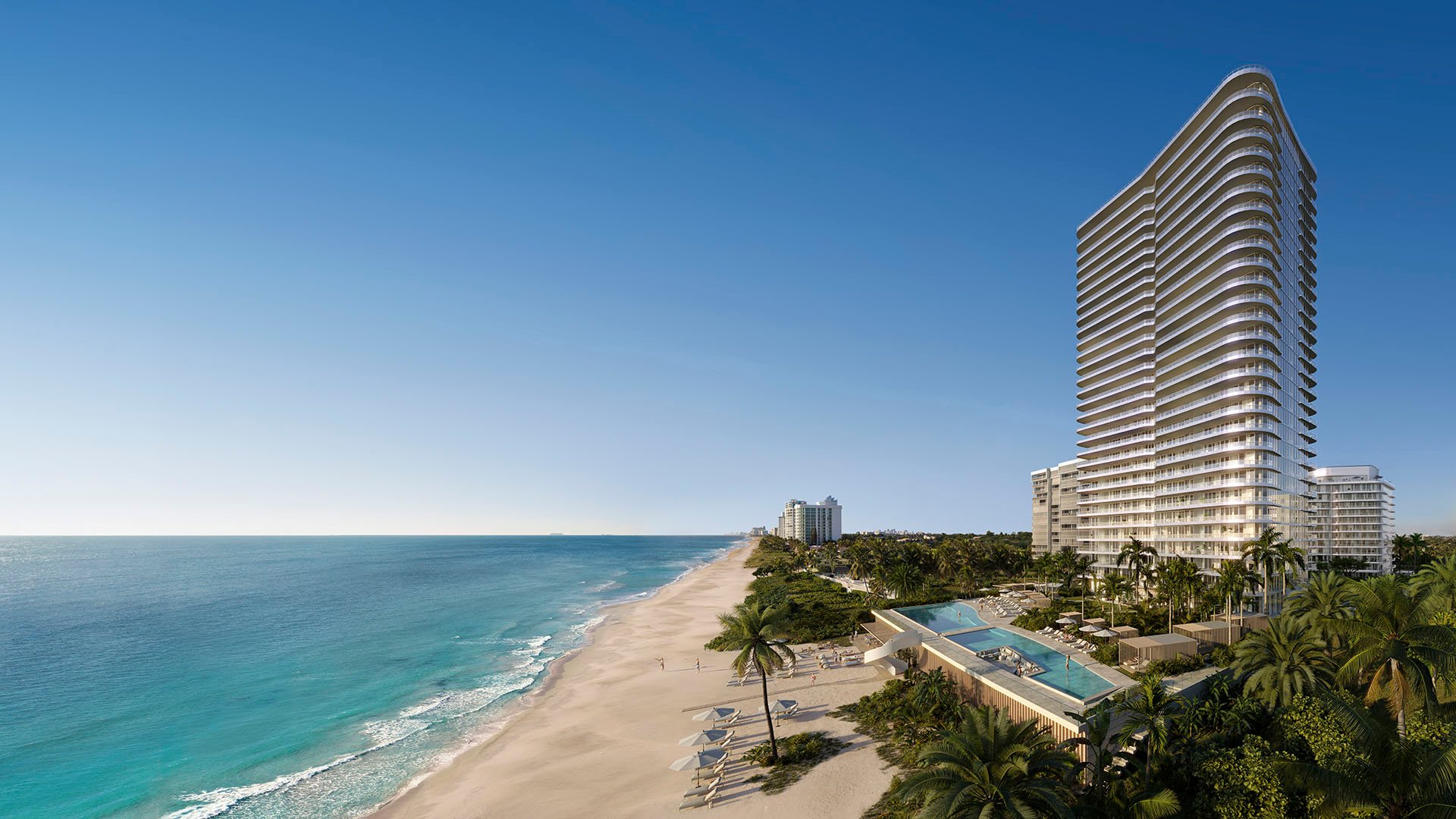
At a South Florida oceanfront home, the walk from terrace to sand can feel like the simplest part of ownership. A discreet elevated crossover preserves that ease while carrying people above the dune. Yet its location, dimensions and relationship to vegetation are not merely design choices. They belong in the acquisition review alongside the residence itself.
The central distinction is between enjoying an existing crossing and having the authority to change it. An existing crossover does not establish that expansion or replacement will be authorized. Before treating a wider landing, revised stair or clearer ocean view as a straightforward improvement, buyers should establish what was approved, what exists today and who controls the land beneath it.
The Coastal Construction Control Line, or CCCL, marks the landward limit of state coastal-construction jurisdiction along covered sandy beaches. It identifies portions of the beach-and-dune system subject to severe fluctuations associated with a 100-year storm event. It is not simply a mandatory oceanfront setback.
Construction, excavation and dune-vegetation removal seaward of that line fall within state regulatory scope. Activities capable of causing erosion or damaging coastal vegetation can require review even when the work appears minor. A permit is generally required to construct a dune walkover on most sandy beaches fronting the Atlantic Ocean or Gulf of Mexico.
The absence of an established CCCL does not automatically remove coastal oversight. Where no line has been established, authorization is generally required for construction within 50 feet of the mean high-water line. Confirm the property's coastal jurisdiction before commissioning a redesign.
There is no blanket assurance that repainting, replacing boards or repairing handrails is permit-free. Describe the exact work and obtain written confirmation of the applicable requirements based on the existing permit and its conditions. Calling a project maintenance does not establish its regulatory treatment.
For a buyer considering 57 Ocean Miami Beach alongside other Miami Beach residences, a useful diligence question is: who can authorize work on the beach-access route, and what documentation governs it? Do not assume an individual purchaser controls a crossing associated with a residential property.
Treat relocation, widening, larger landings, new stairs or ramps, lighting, gates and seaward extensions as project-specific permitting questions. Each deserves advance review; the existing structure does not establish a right to alter it. Even a change presented as aesthetic should be described precisely, including any vegetation disturbance.
A walkover should generally cross above the frontal dune and perpendicular to the shoreline. The route should generally reach at least the seaward toe of the frontal dune or the existing vegetation line, rather than leave users to complete the journey across protected dunes.
That does not create an unrestricted right to build farther toward the water. Extension is generally limited to no more than 10 feet seaward of the vegetation line. These are design parameters, not permission for a particular property's proposal.
Stairs and ramps descending from a dune bluff or crest should span the seaward slope rather than place support posts in unstable slopes steeper than approximately 30 degrees. Construction should also minimize temporary disturbance to dunes and existing vegetation.
When evaluating a Surfside residence such as Ocean House Surfside, ask to review the documented beach-access arrangement before imagining a different route. The question is not simply whether a proposed crossing looks restrained, but whether its alignment and construction can meet applicable requirements.
Removing dune vegetation for a more open view or easier access is not merely a landscaping decision. Seaward of the CCCL, vegetation removal falls within coastal regulatory scope. Construction-related damage may also require replacement planting with species suitable for beach-and-dune stabilization.
Coastal review considers effects on the beach-and-dune system, neighboring properties, public access, native vegetation and marine turtles. A proposal must therefore address more than the owner's preferred sightline or walking route.
For buyers comparing Sunny Isles Beach residences, including Regalia Sunny Isles Beach, the practical lesson is to assess access and landscaping expectations together. Do not base a purchase decision on an assumed ability to clear vegetation or reconfigure a crossing after closing.
Ask for the existing permit, approved drawings, permit conditions and completion records. Review them alongside a current survey, relevant easements, maintenance obligations and any violation notices. The objective is to understand both the authorized structure and the responsibilities attached to its use.
Separately verify whether the crossing traverses public land, an easement, conservation land or association-controlled property. Physical access and property rights are distinct questions. A visible walkway is no substitute for reviewing the documents that establish who may use, maintain or alter it.
Where an association controls the route, request its governing documents and written clarification of responsibility. For a Fort Lauderdale buyer considering Auberge Beach Residences & Spa Fort Lauderdale, that inquiry should remain separate from any assessment of finishes or amenities. The presence of beach access does not establish a project-specific right to alter it.
State coastal authorization does not eliminate the need to check county and municipal construction requirements. Whether the property is in Miami-Dade, Broward or Palm Beach County, confirm the applicable local requirements for the exact scope. Do not assume an approval in another beach community applies.
Construction access also deserves attention. Florida law prohibits vehicular traffic on dunes or native stabilizing vegetation, subject to exceptions for necessary cleanup, repair, public safety and traffic on authorized local or state dune crossovers. A pedestrian crossing should not be assumed to authorize vehicle access for a renovation.
Before committing to work, seek written clarity on coastal authorization, applicable local approvals and the property rights or association permissions involved. Keep the proposed scope consistent across those inquiries. A modest handrail repair and a widened, illuminated crossover are not interchangeable descriptions.
The most useful acquisition question is not what an owner hopes to alter, but what the records support today. Treat future modifications as conditional until the exact scope has been reviewed. That discipline lets buyers appreciate an oceanfront setting without confusing an appealing possibility with an established right.
Explore South Florida oceanfront residences with MILLION.
If branded residences are on your mind — as a home or as an allocation — we would be glad to share what we are seeing, privately.
Begin a quiet conversationNo. An existing structure does not establish that expansion or replacement will be authorized; the proposed scope requires property-specific review.
No. It marks the landward limit of state coastal-construction jurisdiction along covered sandy beaches, rather than simply imposing an oceanfront setback.
Yes. A state coastal permit is generally required to construct a dune walkover on most sandy beaches fronting the Atlantic Ocean or Gulf of Mexico.
Do not assume they are. Obtain written confirmation based on the exact scope, existing permit and applicable conditions.
Relocation, widening, larger landings, new stairs or ramps, lighting, gates and seaward extensions should be treated as project-specific permitting questions.
Vegetation removal seaward of the CCCL falls within coastal regulatory scope. It should not be treated as an ordinary landscaping decision.
State guidance generally limits extension to no more than 10 feet seaward of the vegetation line. That guidance does not authorize a particular property's design.
Request permits, approved drawings, conditions, completion records, a survey, easements, maintenance obligations and any violation notices. Separately verify control of the land crossed.
No. Applicable county and municipal construction requirements must also be checked for the proposed work.
Coastal authorization is generally required for construction within 50 feet of the mean high-water line where no CCCL has been established.