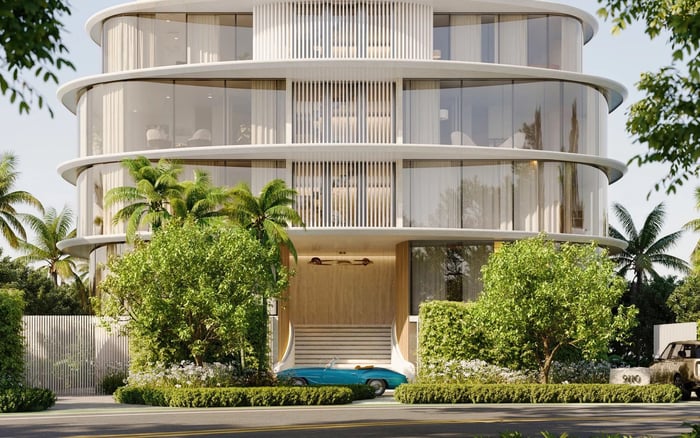
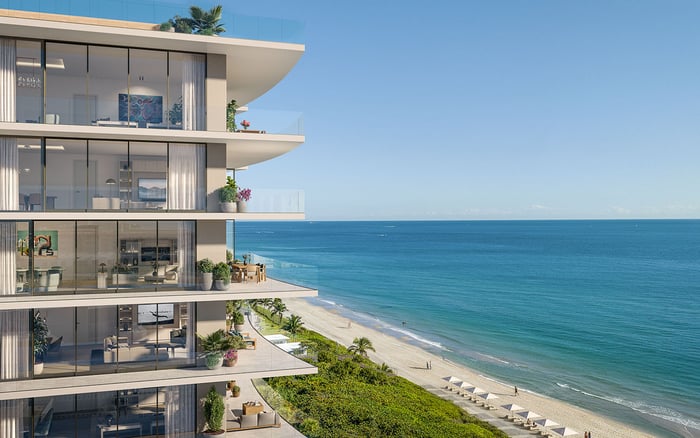
For wine collectors considering Broward oceanfront residences, meaningful due diligence reaches beyond the cellar finishes to equipment-level backup power, documented receiving procedures, and a transferable climate-monitoring history.
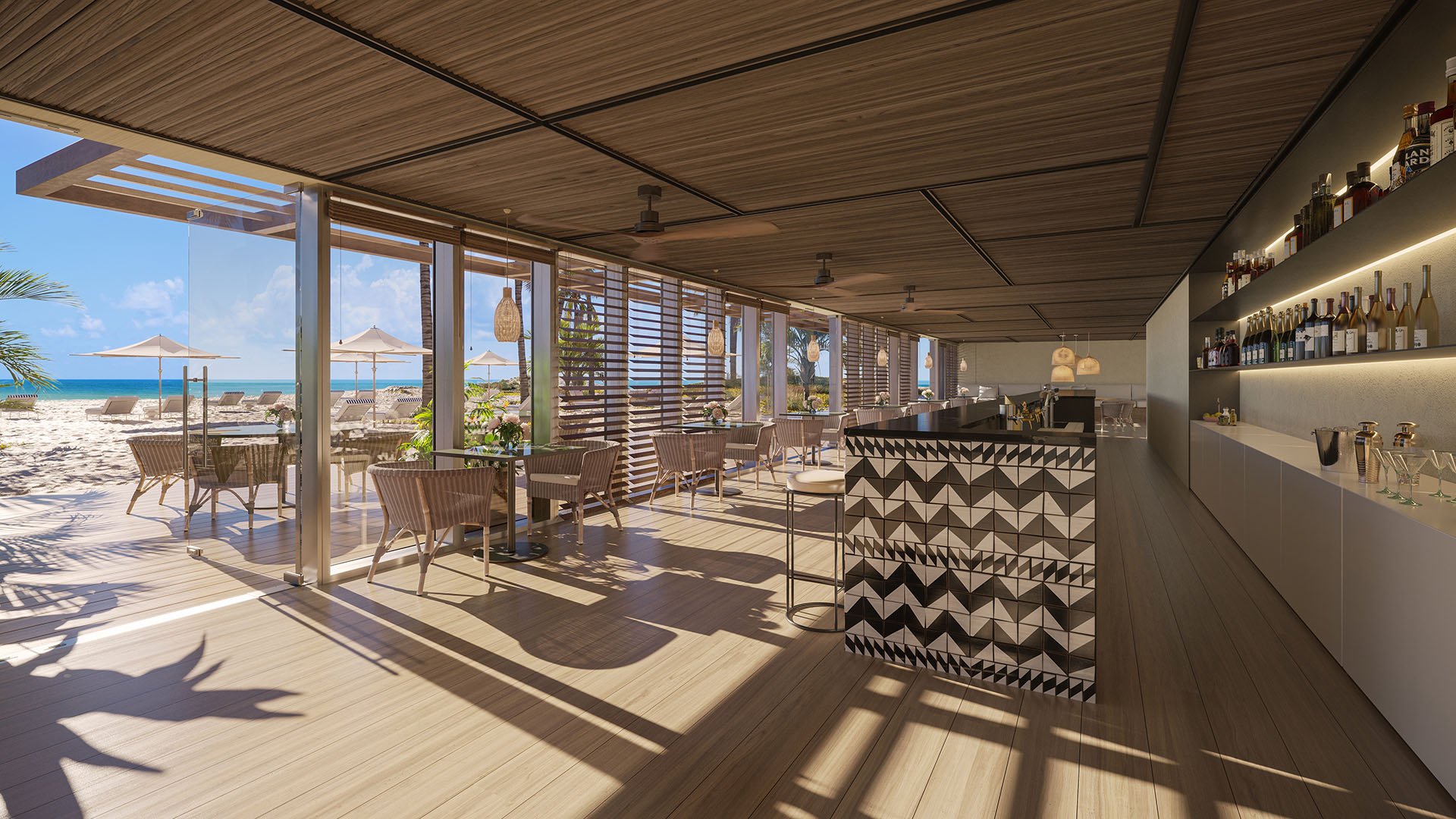
A wine collection demands more from an oceanfront residence than a beautifully appointed entertaining room. Suitability rests not simply on presentation, but on what happens when utility power fails, a delivery arrives in the owner's absence, or a temperature alert needs attention overnight.
For buyers considering Auberge Beach Residences & Spa Fort Lauderdale or another Broward address, the useful question is not whether the building has a generator. It is whether the specific storage arrangement has documented support across electrical supply, monitoring, and daily handling. A project's name, service offering, or architectural finish does not establish those details.
The distinction is straightforward: evaluate wine storage as an operating system, not a decorative amenity. Request evidence specific to the residence and any shared facility you intend to use. Do not assume that either shares the other's protections.
Begin with an equipment-level inventory. Identify the cooling unit, dehumidification equipment, controls, alarms, and network hardware serving the storage area. Ask management and a qualified electrical specialist to confirm which components appear on the supported-load schedule and how their circuits connect to the transfer switch.
Request approved permits, final inspections, equipment specifications, electrical riser diagrams, and the transfer-switch location. Broward's permanent standby-generator application requirements include building, electrical, mechanical, plumbing, and zoning permits. These documents provide a starting point for review-not proof that a particular wine-storage circuit has backup power.
For a Hallandale Beach purchase, including a residence under consideration at 2000 Ocean Hallandale Beach, apply the same test: match the proposed storage equipment to the electrical documentation. Ask for fuel capacity, expected runtime under the stated load, and transfer and restart behavior. A general assurance of backup power still requires an equipment-specific answer.
The installation deserves as much attention as the generator itself. Request site plans showing generator and fuel-tank locations, along with nearby operable windows and doors relevant to exhaust placement. Broward's permitting requirements include installation at or above the applicable base-flood elevation, plus anchoring and structural documentation addressing wind and flood loads in the High-Velocity Hurricane Zone.
Have qualified specialists reconcile those drawings with the installed equipment. Confirm that the manual emergency shutoff is identified on plans, readily accessible, and marked with permanent weatherproof signage.
Then examine maintenance. Applicable Broward fire-code requirements include weekly inspections, monthly load-exercise logs, a current annual service agreement, and the latest annual service documentation. Request 24-36 months of available generator records as a buyer's diligence window, not a claimed legal minimum. Look for unresolved faults, recurring service issues, and evidence of completed corrective work.
Paperwork and operating behavior answer different questions. Arrange any transfer test through building management and qualified specialists, with an agreed scope that respects the building's safety requirements. Never attempt a power interruption yourself.
Ask the specialists to document whether the identified wine-storage equipment receives backup power, how cooling and humidity control restart, and whether alarms and network equipment remain functional. Record any manual intervention required and identify who would perform it in the owner's absence.
Distinguish generator runtime assumptions from an operating commitment. Ask which load was used to calculate expected runtime and what arrangements govern fuel replenishment. A successful supervised test provides evidence of the observed sequence; it does not guarantee uninterrupted operation in every future outage.
A temperature reading during a showing is a snapshot. Request at least 12 months of timestamped temperature, humidity, and alarm records to examine the storage environment over time. This is a suggested review period, not a verified legal minimum.
Ask for sensor locations, calibration records, monitoring intervals, and explanations for missing data. Review excursions alongside alarm histories and service entries. The questions are practical: what triggered the alert, who received it, what action followed, and when did readings return to the intended range?
Buyers assessing The Ritz-Carlton Residences® Pompano Beach should request property-specific evidence rather than infer climate performance from branding. Where operating histories are not yet available, seek written testing and handover requirements. Do not treat projected performance as an established record. Confirm that monitoring access and notification settings will transfer appropriately at closing.
The receiving process belongs in the same diligence file as the mechanical equipment. Obtain written receiving hours, loading-dock procedures, elevator arrangements, and rules for accepting deliveries when the owner is absent. Ask who signs, where the shipment waits, and who moves it into storage.
For a purchase at Four Seasons Hotel & Private Residences Fort Lauderdale, as elsewhere, request those answers without assuming that a service-oriented setting establishes wine-specific handling procedures.
Seek explicit temperature-control requirements, maximum dwell times, and chain-of-custody steps. Clarify who can refuse a delivery, how a handling concern is documented, and who contacts the owner. Include post-storm vendor-access rules and a fallback arrangement if normal receiving is unavailable. Written responsibilities allow buyers to assess the handoff before scheduling a shipment, rather than negotiate it on arrival.
For an owner who travels, an alert is useful only when someone is responsible for acting on it. Identify the primary recipient, backup contact, authorized service provider, and person permitted to enter the residence. Ask how those responsibilities change outside staffed hours or after a storm.
If off-site storage is part of the plan, evaluate it separately. Request its backup-power documentation, climate records, access terms, and temperature-controlled transport procedures. Advertising a generator or controlled delivery does not independently establish performance. The same evidence-based standard should follow the collection wherever it is held.
Before closing, ask counsel and the relevant specialists to assemble a property-specific written schedule. It should identify equipment-level backup coverage, monitoring ownership and account transfer, delivery responsibilities, outstanding records, and any agreed corrective work or testing.
Keep verified arrangements distinct from proposals and verbal assurances. The goal is not an elaborate technical dossier for its own sake, but a clear understanding of what is supported, who responds, and what remains unresolved. That clarity allows the view and the collection to receive equally considered attention.
For a considered approach to Broward oceanfront ownership, explore MILLION.
If branded residences are on your mind — as a home or as an allocation — we would be glad to share what we are seeing, privately.
Begin a quiet conversationNo. Confirm the specific cooling, humidity-control, alarm, and network equipment against electrical diagrams and the supported-load schedule.
Request approved permits, final inspections, equipment specifications, electrical diagrams, transfer-switch details, and supported-load schedules. Also seek fuel capacity and expected runtime under the stated load.
Review generator and fuel-tank locations, nearby operable windows and doors, applicable base-flood elevation, and anchoring documentation addressing wind and flood loads.
A suggested diligence window is 24–36 months of available inspection, exercise, and service records. That lookback is a recommendation, not a verified legal minimum.
No. Any transfer test should be arranged through building management and qualified specialists, with agreed safety procedures and scope.
Request at least 12 months of timestamped temperature, humidity, and alarm records as a suggested review period. Examine data gaps, sensor locations, and calibration records alongside the readings.
Seek written testing and handover requirements. Keep proposed performance separate from demonstrated operating results.
They should cover receiving hours, dock and elevator access, owner-absent acceptance, temperature control, dwell limits, and chain of custody. Include post-storm access and responsibility for the final move into storage.
Confirm account ownership, access credentials, notification settings, and authorized response contacts. Identify who can enter the residence and arrange service when the owner is away.
Include equipment-level backup coverage, monitoring ownership, delivery responsibilities, outstanding records, and agreed testing or corrective work. Distinguish verified arrangements from proposals and verbal assurances.