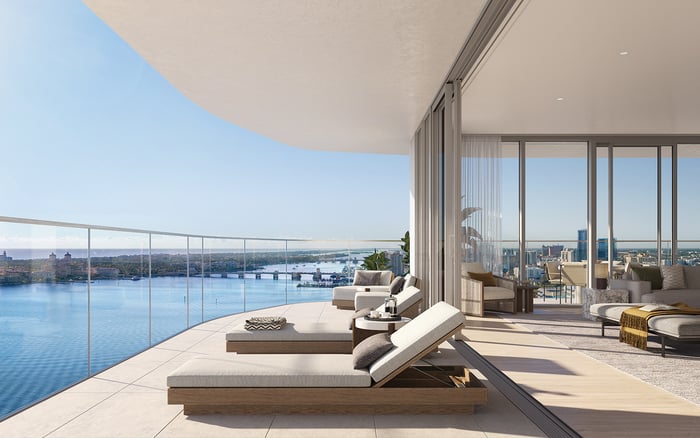
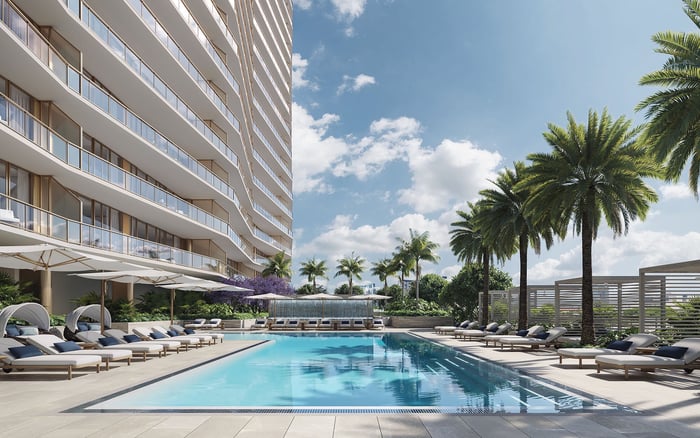
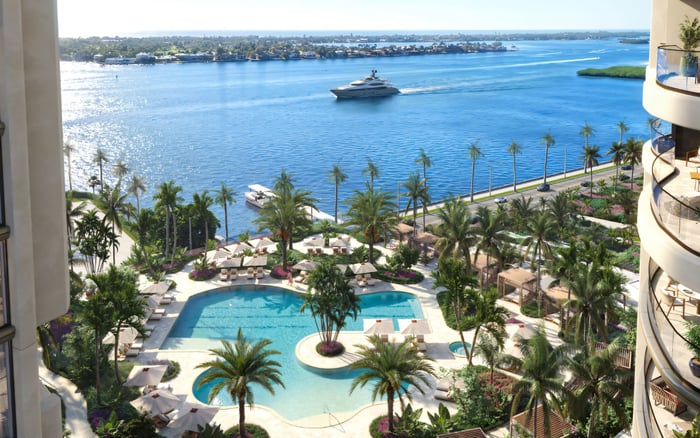
At Mr. C Residences West Palm Beach, finish selections should be weighed as part of the branded design identity, delivery process, and a residence's future marketability.
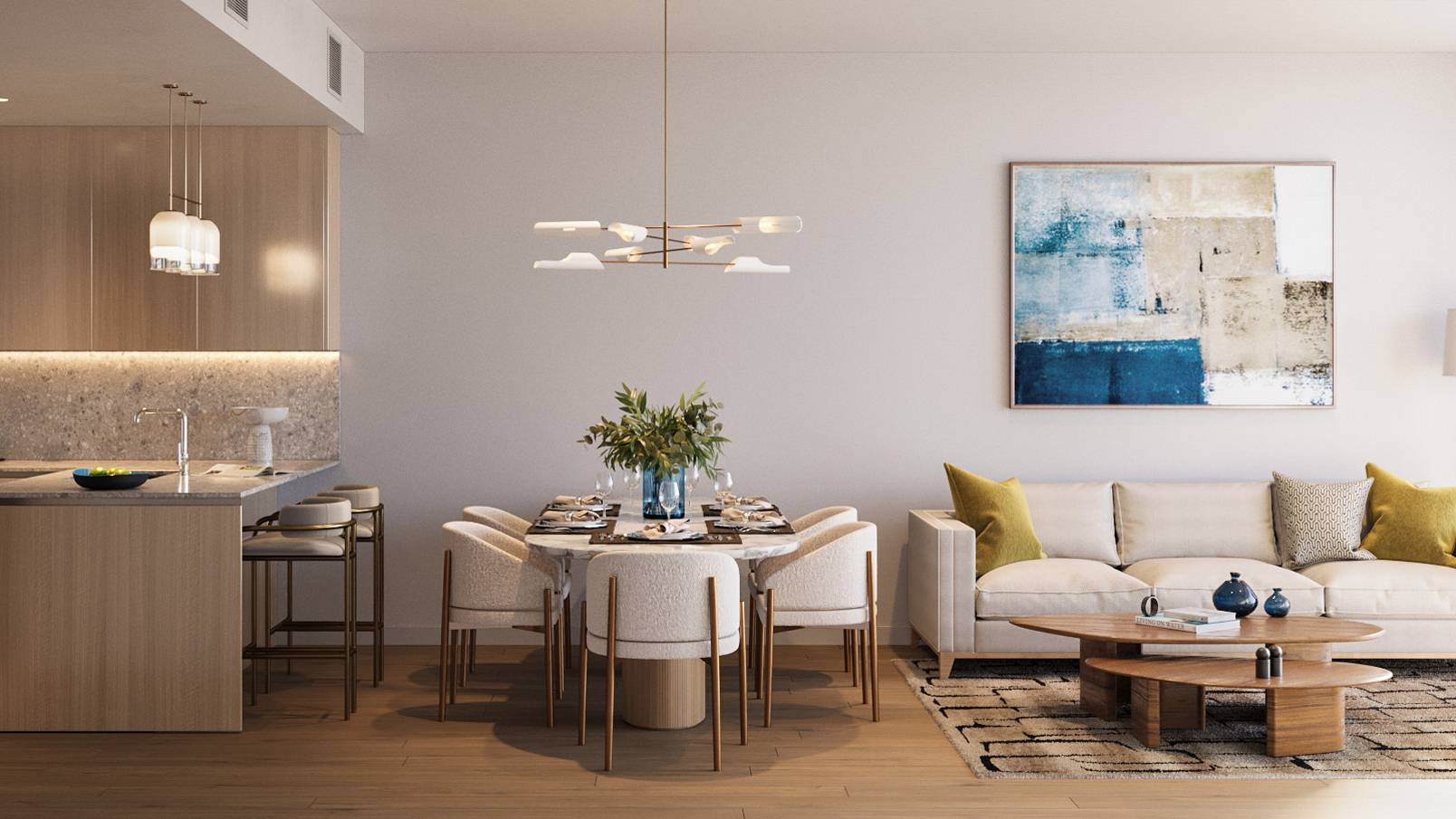
At Mr. C Residences West Palm Beach, finish decisions should be considered in relation to the residence as a whole. The most disciplined approach is to evaluate every material, fixture, and proposed modification against the complete design language rather than treating selections as isolated upgrades.
That perspective matters because customization can affect three priorities: personal enjoyment, delivery mechanics, and future market reception. A highly individualized residence may feel precisely tailored to its first owner, while a coherent standard selection may be easier to execute and more immediately legible to a later buyer. Neither route is inherently superior. The decision depends on how the home will be used, when possession matters, and how much future flexibility the owner wishes to preserve.
For buyers approaching a branded residence through a design and architecture lens, restraint can be as intentional as personalization. The objective is not to avoid character, but to introduce it where it adds pleasure without weakening the overall design concept.
Finish, fixture, and customization decisions may affect construction logistics. Departing from standard selections can introduce additional review, procurement, coordination, or installation considerations. It may also influence possession timing, although customization does not necessarily cause a delay.
A pre-construction buyer should seek clarity before approving a change. Essential questions include the selection deadline, the approval path, who will coordinate the work, and whether a requested material can be obtained and installed within the intended sequence. Buyers should also understand what happens if a preferred item becomes unavailable and whether a substitution can be authorized without reopening the entire design decision.
Timing should be considered in relation to the owner's plans. A purchaser with flexibility may accept a more involved process in exchange for a deeply personal result. Someone coordinating a move, seasonal occupancy, furnishing installation, or another property transaction may prefer the predictability of the standard framework. The relevant measure is not customization in the abstract, but its potential effect on a specific ownership calendar.
A disciplined design brief distinguishes between elements that are difficult to reverse and those that can evolve with the owner. Permanent or construction-sensitive selections warrant the closest scrutiny because they are more likely to affect scheduling and future buyer preferences. Personal expression can often be concentrated in furnishings, art, layered lighting, and accessories without requiring a later owner to reinterpret the architecture itself.
This principle does not require neutralizing the residence. It establishes hierarchy. Foundational materials can remain consistent with the overall aesthetic, while movable elements introduce stronger color, texture, or collecting interests. The result can feel individual while retaining a recognizable design framework.
Buyers comparing West Palm Beach opportunities such as Forté on Flagler West Palm Beach and The Ritz-Carlton Residences® West Palm Beach can apply the same discipline: assess the residence as a complete product rather than treating each finish as an isolated upgrade.
Custom finishes may influence future resale appeal, just as design decisions may affect rental-market performance. The operative word is may. No selection guarantees a premium, and a distinctive palette does not automatically diminish value. Market reception depends on whether future occupants view the design as an advantage, a manageable adjustment, or a renovation project.
Owners planning a long hold can reasonably prioritize daily enjoyment. Those who value liquidity, rental flexibility, or a shorter ownership horizon may place greater weight on broad acceptance. In either case, advisers should test the design brief against more than personal taste. They should ask whether the principal materials work together, whether the home retains a coherent identity, and whether its most expressive choices are proportionate to the likely audience.
The branded context is especially important. Buyers should consider both the private interior and its relationship to the project's broader identity. A residence that preserves this coherence may be easier for a future purchaser to understand quickly. A heavily altered home may still be compelling, but it must communicate its value on its own terms.
A concise written record can make the ownership and delivery process smoother. For every requested departure, the buyer's team should identify the exact item, approval status, timing consequence, if any, substitution procedure, installation responsibility, and any effect on warranties or later restoration obligations. Legal, design, and construction questions should be directed to the appropriate project representatives and advisers before commitments are made.
It is also useful to rank requests. Essential changes address how the owner genuinely lives. Desirable changes improve comfort or expression without defining the residence. Optional changes can be deferred until after possession, if permitted. This hierarchy focuses attention on the decisions with the greatest effect on use, timing, and long-term flexibility.
The same framework can be used when evaluating another branded proposition such as Mandarin Oriental Residences, West Palm Beach. The goal is not to make unlike projects interchangeable, but to ensure that design coherence, delivery considerations, and eventual marketability are examined together.
Are specific design-package names identified in this article? No. Buyers should request current package details and selection materials directly from the appropriate project representatives.
Will customization necessarily delay possession? No. Customization may affect logistics and timing, but a delay should not be assumed.
Should buyers always choose the standard package? Not necessarily. A standard framework may offer coherence, while selective changes can better support personal use.
Can custom finishes guarantee a higher resale price? No. Custom finishes may influence buyer appeal, but they do not guarantee a resale premium.
Why does design coherence matter inside a branded residence? It can help the interior remain visually connected to the broader project identity and make the residence easier for future buyers to understand.
What should be confirmed before requesting a change? Confirm approval requirements, deadlines, coordination responsibilities, substitution procedures, and possible timing implications.
How can an owner personalize without overcommitting? Keep foundational choices coherent and place stronger personal expression in furnishings, art, and other elements that can evolve.
Could design decisions affect rental appeal? They may, because prospective renters can respond differently to highly specific finishes and design choices.
Who should review customization decisions? Buyers should coordinate with appropriate project representatives and qualified legal, design, and construction advisers.
What is the central decision principle? Balance personal preference with design coherence, delivery practicality, and likely future market reception.
If you'd like a private walkthrough and a curated shortlist, connect with MILLION.
If branded residences are on your mind — as a home or as an allocation — we would be glad to share what we are seeing, privately.
Begin a quiet conversation