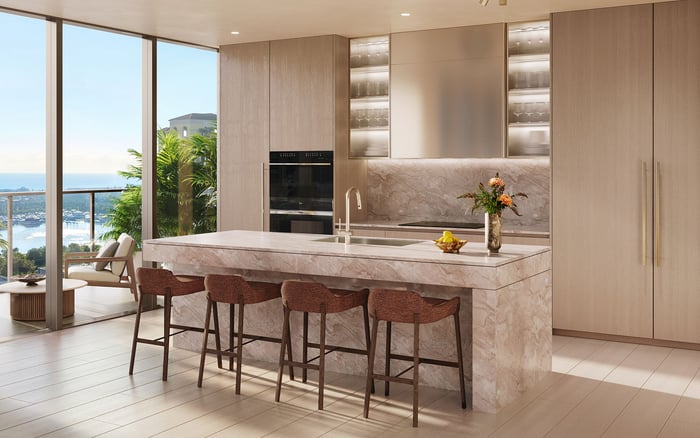
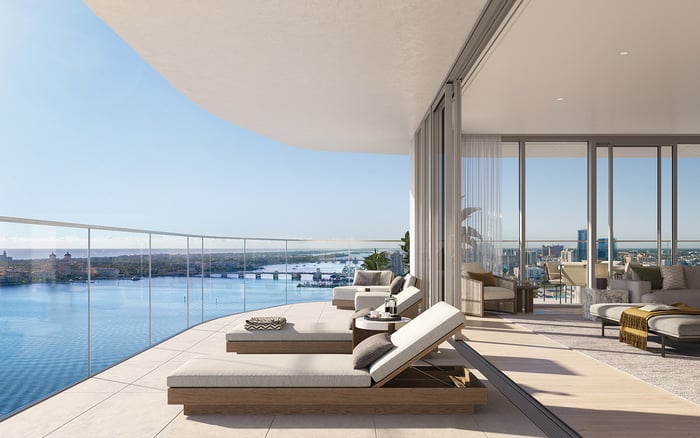
A planned on-site hotel could let Mr. C buyers separate occasional guest accommodation from everyday living space. The right bedroom count still depends on visit patterns, privacy, booking availability and the value of a permanent extra room.
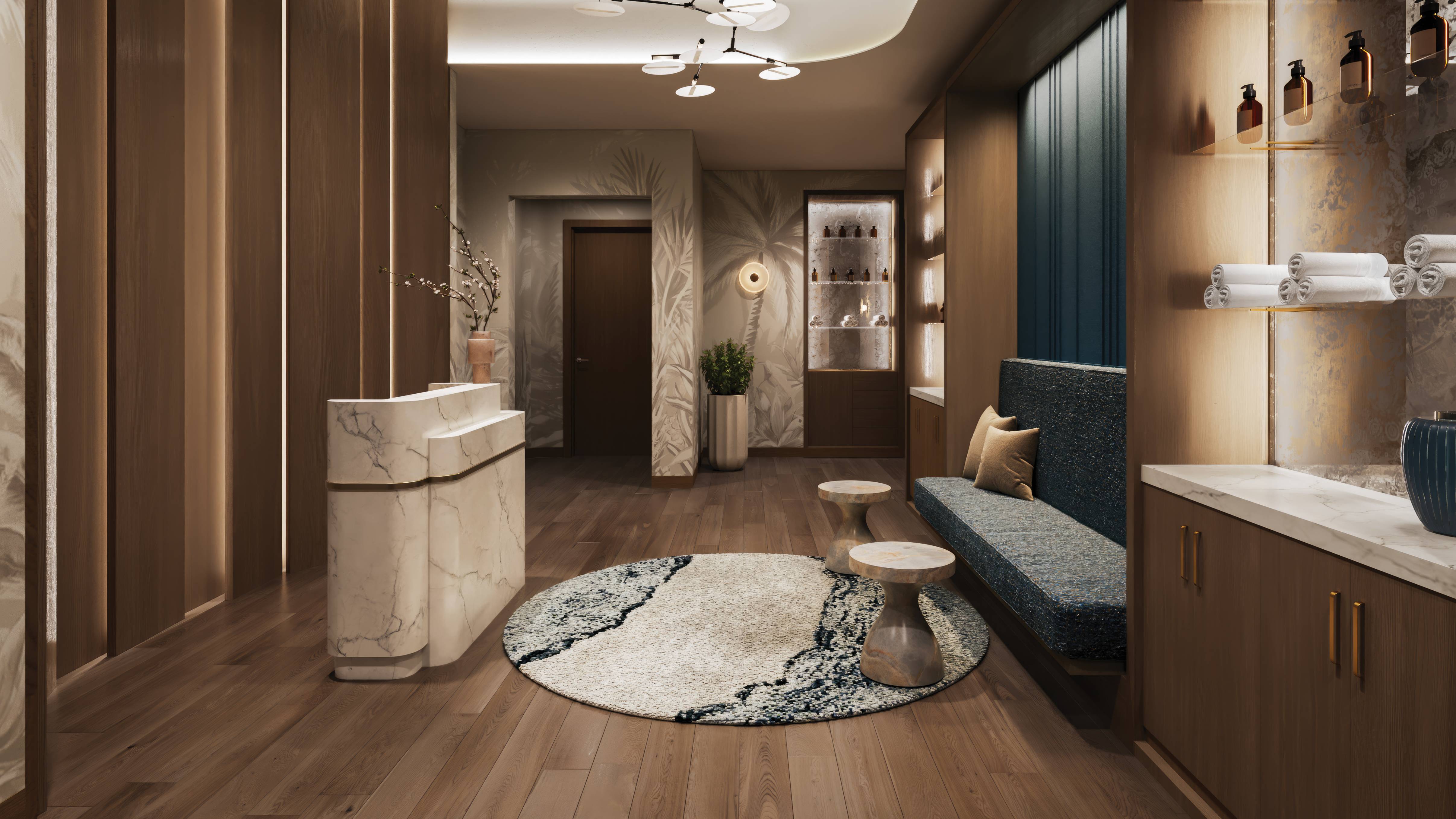
A guest bedroom is a generous gesture, but it is also space purchased, furnished and maintained year-round. At Mr. C Residences West Palm Beach, a planned 110-room hotel introduces another possibility: welcoming visitors nearby without designing the entire residence around occasional overnight stays.
The distinction is subtle but consequential. Owners could gather with friends over dinner, then retire to separate accommodations rather than share every morning routine. For some households, that could make a smaller residence the better fit. For others, especially those hosting children or relatives for extended periods, a permanent guest bedroom remains essential.
Treat the hotel as a potential accommodation option, subject to booking availability-not as an extension of the residence included with ownership. Complimentary rooms, preferential rates and guaranteed reservations should not be assumed.
The planned 27-story Mr. C tower includes 146 private residences. Layouts range from one to four bedrooms, offering a meaningful choice between a home tailored to its regular occupants and one designed to accommodate a larger visiting household.
Open floor plans and private terraces add another dimension. A residence can be comfortable for entertaining without containing a bedroom for every dinner guest. Neither feature replaces a private sleeping room, but both encourage buyers to distinguish gathering space from overnight accommodation.
The most useful starting point is not the maximum number of people who might visit. It is how the home should function during an ordinary week. Consider where you work, whether partners keep different schedules and how much separation you want when family arrives. Only then decide which visitors need to sleep inside the residence.
A one-bedroom residence paired with separately booked hotel accommodation may suit an owner whose visitors come occasionally and prefer their own space. The arrangement could preserve the home's everyday intimacy while accommodating visits when suitable rooms are available. It is less compelling if uncertainty over hotel availability would make hosting stressful.
Two bedrooms offer a different kind of flexibility. A second room can remain ready for guests or serve as a private office between visits, depending on the layout and furnishings. Its value extends beyond occupied guest nights: a quiet room with a closing door can matter throughout the year.
Larger plans deserve consideration when visits become temporary shared living. Extended family stays, multigenerational gatherings or several visitors arriving together may call for bedrooms within the residence rather than separate hotel reservations. In those circumstances, proximity alone may not provide the desired connection or convenience.
These are planning frameworks, not promises about a particular residence. A well-separated two-bedroom arrangement may meet a household's needs better than a larger plan with less suitable circulation. Bedroom count begins the assessment; it does not settle it.
The financial comparison extends beyond purchase price versus a handful of hotel nights. Ask for the actual price difference between the residences under consideration, then evaluate differences in recurring ownership costs, furnishing and upkeep. Compare those figures with a realistic estimate of separately booked accommodation.
Build that estimate around your own visitor calendar. Count expected nights, the number of rooms required and whether visits cluster on fixed dates. Include applicable room charges, taxes and fees when obtaining booking estimates. Assuming a single nightly rate throughout the year will not produce a reliable comparison.
Then assign value to the extra bedroom's non-guest uses. If it would function as a daily office, its usefulness cannot be measured solely against hotel spending. Equally, an untouched room reserved for hypothetical visitors may be less valuable than living space you enjoy every day. This is a personal-use calculation, not evidence that either bedroom count offers better resale performance.
Planned services include 24-hour concierge assistance, valet parking, room service, in-residence dining and event catering, alongside three Bellini dining venues. These offerings could help owners organize a visit around shared meals rather than shared sleeping quarters, subject to the applicable service arrangements and charges.
Three planned resident-only elevators distinguish residential circulation from hotel activity. That distinction matters, but it does not establish unrestricted visitor access to residential amenities. Ask specifically how hotel guests can meet owners, which spaces they may use and what registration or access procedures apply.
Keep two transactions separate. Booking a hotel room for a friend addresses guest accommodation. Participating in a rental program for an eligible residence addresses how an owner's property may be rented. The existence of one does not establish rights or benefits under the other.
For a seasonal household, guest nights alone can be misleading. Several short visits may be easier to accommodate separately than one extended stay with a relative who expects to share daily life. Consider whether visitors need independence, supervision or ready access to the residence before deciding that hotel rooms can replace bedrooms.
When comparing Mr. C with Alba West Palm Beach, use the same household brief: ordinary occupancy, working needs and the longest likely family visit. Evaluate guest arrangements independently at each property rather than assuming equivalent hospitality options.
The same discipline applies when considering Forté on Flagler West Palm Beach. A useful comparison asks how each specific plan supports your life, not simply which residence has the most bedrooms. This keeps the decision focused on usable privacy rather than room count alone.
Review the current numbered floor plans and their variants rather than relying on a broad project-wide size range. Examine bedroom separation, bathroom access, storage and the route visitors would take through the home. Private terraces enhance living space, but they should not obscure whether the interior offers enough privacy.
Confirm the residence category as carefully as the layout. Resort and Tower residences have different furnishing and rental conditions; obtain current terms for the specific home. Review furnishing obligations, rental eligibility, occupancy restrictions and any homestead implications with the appropriate advisers.
Finally, test the hotel strategy against unavailable rooms. If your preferred dates could not be booked, would you comfortably arrange other accommodation, change the visit or wish you had bought another bedroom? The right choice is the residence that works both when hospitality is convenient and when it is not.
For a considered comparison of residences and the space your household truly needs, connect with MILLION.
If branded residences are on your mind — as a home or as an allocation — we would be glad to share what we are seeing, privately.
Begin a quiet conversationIt could provide an alternative for occasional visitors who prefer separate accommodation. That approach depends on booking availability and whether your household needs a permanent extra room.
The mixed-use development includes a planned 110-room Mr. C hotel. Room availability for any particular visit should not be assumed.
Complimentary rooms, preferential rates and guaranteed reservations should not be assumed. Confirm any proposed owner benefits before relying on them.
Advertised residences include one- through four-bedroom layouts. Confirm the configuration and dimensions of the specific residence under consideration.
A second bedroom may be useful for frequent overnight visitors or as a private office between stays. Its everyday usefulness matters alongside the cost of separate hotel accommodation.
Extended or multigenerational stays may favor additional bedrooms inside the residence. Consider how much daily life visitors will share with the household.
Compare the actual purchase-price difference and recurring ownership costs with expected guest-room spending. Include the extra room's value as an office or other private space.
Unrestricted visitor access to residential amenities should not be assumed. Confirm access permissions, registration requirements and applicable charges for each space or service.
No. A guest booking provides accommodation for a visitor, while the marketed rental program concerns eligible owners renting their residences under separate terms.
Review current floor plans, residence classification, furnishing obligations, rental terms and occupancy restrictions. Confirm hotel booking arrangements and discuss any homestead implications with qualified advisers.