A buyer-focused guide to separating pet permissions from practical access at 2200 Brickell, verifying unit-specific parking and elevator routes, and securing written emergency procedures before committing.
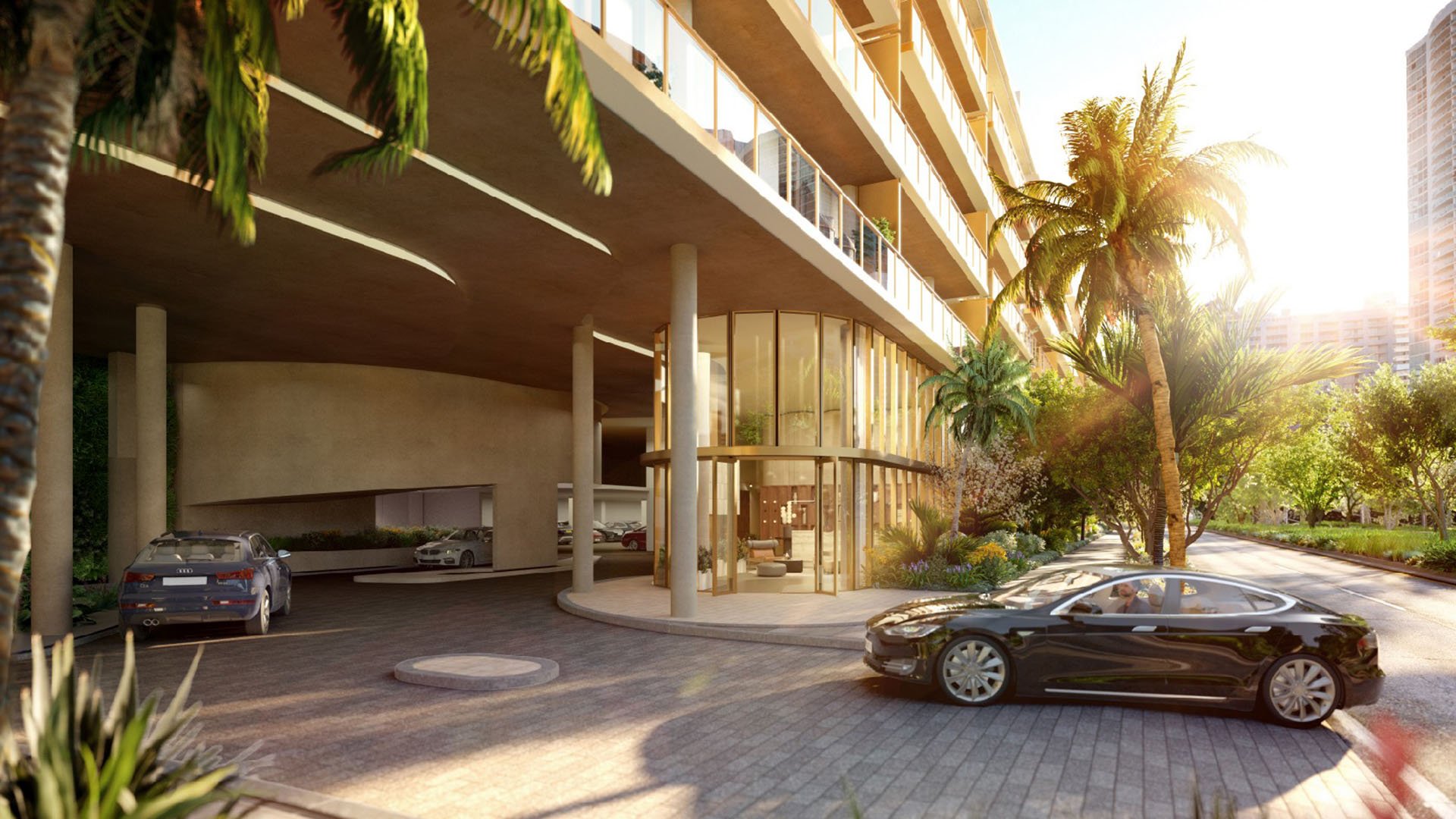
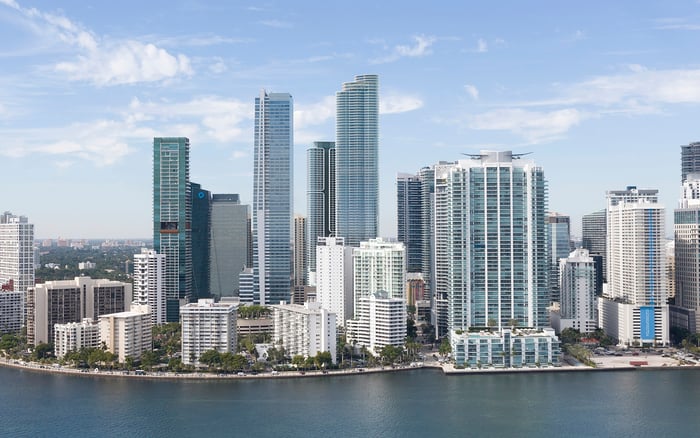
2200 Brickell is located at 2200 Brickell Avenue, Miami, FL 33129. For a household with pets, however, an address and an indication that pets are permitted are only the beginning. The consequential questions concern the journey from the residence to an approved relief point, the common areas an animal may traverse, and what happens when ordinary access is interrupted.
Luxury is partly the absence of avoidable friction. A beautifully appointed residence can still be an imperfect fit if its permitted pet route conflicts with a household's daily routine. Decision-grade due diligence therefore separates three matters: permission to keep the animal, permission to use a particular route, and emergency instructions. None should be inferred from the others.
The disclosed pet terms are not uniform. Unit 319's terms describe permission as “Conditional, Yes,” with restrictions and fees requiring confirmation. Unit 407 indicates pets are allowed while flagging “Restrictions Or Possible Restrictions.” Unit 402's rental terms allow cats and small dogs, but that does not establish an association-wide size limit.
These distinctions matter: unit-level permission is not a complete building policy. Rental conditions may also introduce owner-specific requirements. Conflicting address-level pet statements are no reliable substitute for current association documents.
Request the declaration, rules and regulations, association application, and pet addendum. Ask management to confirm permitted species, size, number of animals, applicable fees, and any carrier requirements. For a rental, obtain the owner's written terms alongside the association's requirements. Resolve inconsistencies before treating the residence as suitable for your particular pet.
The useful deliverable is not a verbal assurance that the building is pet-friendly. It is a written answer covering your animal and intended occupancy, with the governing restrictions clearly identified.
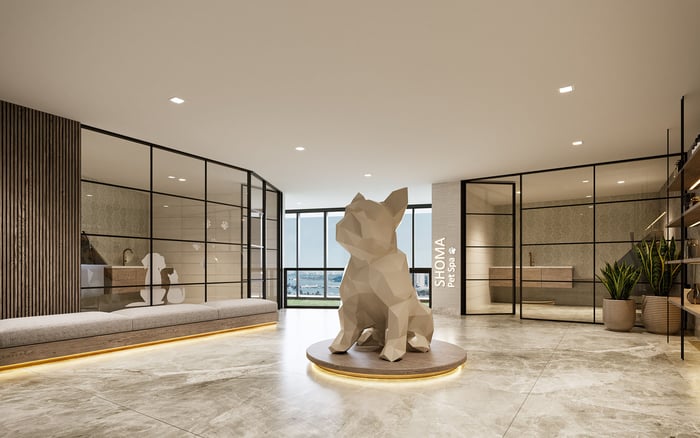
A dedicated dog run, pet-relief station, pet-wash room, and approved relief route remain unconfirmed. That does not mean these features are absent. Buyers should neither price them into the experience nor assume permission to use a convenient outdoor area.
Ask management to identify the nearest permitted relief point and demonstrate the authorized route from the residence. Confirm which corridors, doors, lobby areas, elevators, and garage passages may be used. A short walk is useful only if every segment is permitted and available when needed.
During a walkthrough, assess the full sequence: leaving the unit, passing through access-controlled doors, reaching the approved exterior destination, and returning. Ask whether the route changes at particular hours or during maintenance. These are questions to resolve, not established conditions at the building.
For a Brickell buyer also considering Una Residences Brickell, the same discipline makes comparisons meaningful: evaluate each property's documented route rather than carrying assumptions from one address to another.
Unit 206's disclosed features include elevator access and a secure lobby. Unit 416's details identify a doorman and secured elevator access. Neither establishes which elevator pets may use, whether carriers are required, or whether different rules apply to particular common areas.
Ask for the actual protocol. Confirm whether pets may use all passenger elevators or a designated elevator, whether scheduling restrictions apply, and how access is handled during maintenance. Do not assume a service elevator exists or that a particular elevator is reserved for animals.
Then test the fallback. If ordinary elevator service is unavailable, what permitted route remains? If access controls fail, who provides instructions? Obtain management's written response rather than relying on an informal description during a showing. Everyday convenience and emergency authorization remain separate questions, even where elevator access appears straightforward.
Parking arrangements warrant unit-specific attention. Unit 313's disclosed configuration includes an assigned parking space on the same level as the residence, allowing access without an elevator. Unit GV02's configuration includes two assigned spaces on the same floor, just steps from the residence.
Those arrangements should not be generalized to every home. Verify the assigned space for the residence under consideration and physically trace the connection between parking and the front door. Then confirm whether pets may use that garage route.
A convenient parking connection does not automatically establish an approved relief route or an emergency exit. Buyers comparing The Residences at 1428 Brickell can apply the same unit-by-unit questions without assuming equivalent parking arrangements or pet permissions.
A critical boundary applies during fire evacuation: do not use elevators unless directed or assisted by Fire Department personnel. Heat and smoke can cause dangerous operation or failure.
The general instructions are to use exit stairs, follow the building's emergency evacuation plan, exit promptly without stopping to gather belongings, and remain outside until fire officials authorize re-entry. Stairwell fire doors should remain closed when not in use, and exit routes must remain clear.
These principles are not a verified 2200 Brickell evacuation policy. Obtain the current building plan, evacuation map, designated assembly area, and accessible evacuation procedure. A resident who cannot independently use stairs needs a clear, building-specific procedure-not an assumption that an elevator will remain available. The applicable plan and emergency personnel's instructions must govern.
Ask management for written pet instructions covering fire alarms, hurricanes, flooding, outages, and shelter-in-place events. These scenarios should not be collapsed into one generic evacuation answer. Confirm the permitted procedures and where residents receive current instructions.
Backup-power coverage and any emergency roster identifying units with pets remain unconfirmed. Ask which systems receive backup power without presuming that elevator operation or access controls are covered. Request the most recent drill notice as well; the building's drill history remains unconfirmed.
A useful decision file contains the applicable pet documents, written route confirmation, verified parking assignment, elevator protocol, and current emergency procedures. Walk the ordinary route and review the emergency map separately. Record unresolved questions rather than treating a pleasant showing as an operational guarantee.
The objective is not to demand an amenity the building never promised. It is to establish whether the actual residence, permitted daily routine, and emergency arrangements fit the household. That clarity is a quieter, more durable expression of luxury than an untested promise of convenience.
For a considered approach to South Florida residential decisions, explore MILLION.
If branded residences are on your mind — as a home or as an allocation — we would be glad to share what we are seeing, privately.
Begin a quiet conversationThe condominium address is 2200 Brickell Avenue, Miami, FL 33129.
Unit-level terms indicate conditional or restricted permission. Obtain the current association policy and confirm that your particular animal is permitted.
Unit 402's rental terms allow cats and small dogs, but that does not establish a building-wide size limit. Confirm any size restrictions in the association documents.
A dedicated dog run or pet-relief station is not established by the available information. Ask management to identify the nearest permitted relief point and approved route.
The available details confirm elevator access but do not establish a pet elevator protocol. Request written rules covering permitted elevators, carriers, and any access restrictions.
Same-level parking is documented for units 313 and GV02, not every residence. Verify the assigned space and garage-route permissions for the actual unit.
Do not use elevators during a fire evacuation unless directed or assisted by Fire Department personnel. Follow the building's emergency plan and emergency personnel's instructions.
Request the current evacuation plan and map, assembly area, accessible evacuation procedure, recent drill notice, and written pet instructions for different emergency scenarios.
Backup-power coverage is not established by the available information. Ask management which systems are covered without assuming elevators or access controls will remain operational.
Remain outside until fire officials authorize re-entry. Follow the applicable building plan and emergency personnel's instructions.