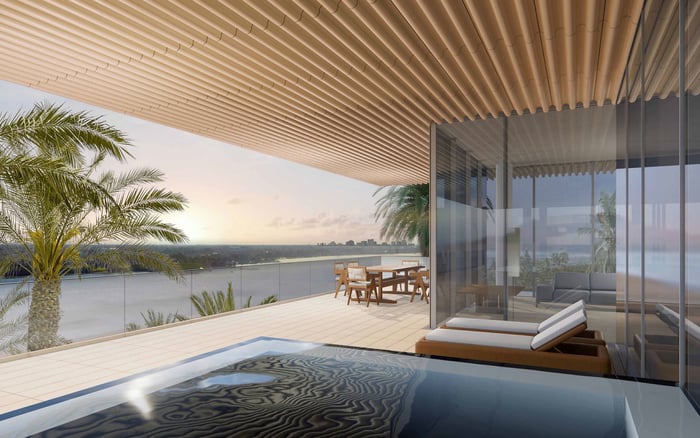
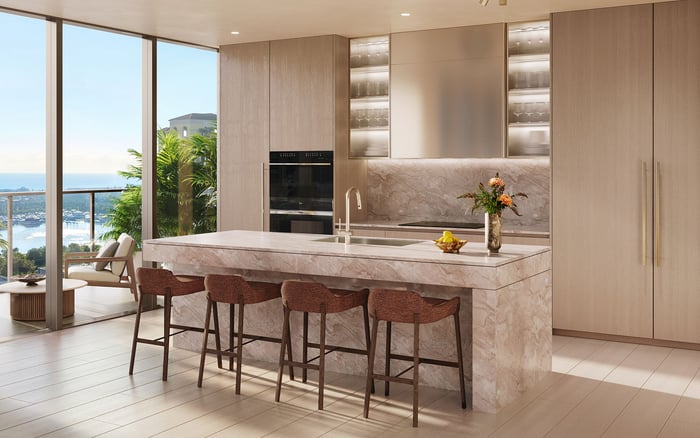
For Dallas buyers, a smaller West Palm Beach residence can offer a more useful second-home experience when the floor plan, arrival routine, neighborhood and ownership obligations support the way they actually travel.

For a Dallas household considering West Palm Beach, the most consequential decision may not be how much space to buy, but how much of it will earn its place on a typical visit. A second residence need not reproduce the primary home’s entertaining rooms, guest capacity or daily routines. Its purpose can be narrower and, precisely for that reason, more rewarding.
The useful comparison is not a large Texas house against a smaller Florida condominium. It is private square footage against access: dinner without an elaborate plan, a cultural outing, time along the waterfront and an arrival that does not consume the visit. A smaller residence succeeds when its limitations align with how the owner intends to live.
Less space is not inherently better, cheaper or easier to maintain. It becomes an advantage only when the address, layout and ownership arrangements make it sufficient.
Check current flight options between Dallas/Fort Worth and West Palm Beach against the days and times you would actually travel. Confirm nonstop availability and both outbound and return schedules rather than assuming a short visit will fit comfortably into your calendar.
Airport access, check-in, baggage and the final transfer still belong in the calculation. Test the full journey to the specific residence, not just the scheduled time in the air.
Before choosing a residence, sketch the visits you realistically expect to make. A couple arriving for several nights may need something quite different from a household staying for weeks with guests. The right purchase should accommodate the repeatable trip, not merely the most ambitious holiday on the calendar.
Build a personal map of the dining, shopping, cultural outings and waterfront walks you would want during a West Palm Beach stay. Then assess each prospective address against that map rather than treating downtown convenience as a promise that applies equally everywhere.
When considering Mr. C Residences West Palm Beach, evaluate the specific routes that would shape your stay rather than relying on the destination’s general reputation. Walk to the places you expect to visit, at the times you expect to go. A useful neighborhood is a personal, practical finding, not a label.
A smaller home should feel edited, not compromised. Begin with the functions that must work every day: sleeping comfortably, unpacking properly, making breakfast, reading quietly and accommodating any work that follows you from Dallas. Then decide how often additional bedrooms or formal entertaining space would genuinely be used.
Storage deserves particular attention. A residence that comfortably holds clothing and personal essentials can feel more settled than one that requires constant packing and rearranging. Consider, too, whether two people can keep different schedules without turning the main living area into a corridor or workspace.
Apply the same discipline when reviewing Alba West Palm Beach: evaluate the individual layout against your routines. A project name does not establish that a particular residence is compact, available or suitable. The objective is not the smallest possible home, but the least space that still feels generous in use.
Waterfront living and downtown convenience are related aspirations, but they are not interchangeable. One buyer may place the greatest value on time beside the water; another may care more about an uncomplicated evening out. Neither preference requires recreating the scale of a primary residence.
For an option such as Forté on Flagler West Palm Beach, map an ordinary day from the specific address under consideration. Establish what you would do on foot, what would require a car and which trade-offs you would welcome rather than merely tolerate.
Use the same test when assessing Shorecrest Flagler Drive West Palm Beach. Keep the questions consistent across the shortlist. Attractive surroundings matter most when they support activities you will repeat, rather than an itinerary you enjoy only during the buying visit.
Smaller square footage does not establish lower total ownership costs. Nor does condominium ownership automatically provide concierge assistance, security, fitness facilities or a complete lock-and-leave arrangement. Each service, its scope and its cost require building-specific confirmation.
Ask how the residence would be managed between stays. Who can enter when you are absent? How would maintenance be coordinated? What preparations would be required before departure and arrival? These are purchasing questions, not details to postpone until after closing.
Review association obligations, insurance, maintenance responsibilities and any applicable guest or rental restrictions against your intended use. If occasional rental income matters to the decision, do not assume permission or revenue.
Pricing also requires disciplined comparison. Seek relevant closed-sale evidence for comparable residences rather than relying on asking prices or a broad citywide figure. Evaluate the particular home and its obligations rather than treating a citywide median as a luxury benchmark.
The strongest reason to buy smaller is not to own less. It is to make the second home more closely match the life you want there. That may mean fewer rarely used rooms and greater emphasis on the neighborhood, a workable arrival routine and a layout that handles everyday needs without friction.
Before deciding, compare candidates against the same ordinary visit: arrival, unpacking, meals, an outing, a quiet morning and departure. If a residence performs well across that sequence, its size may be sufficient. If it depends on constant compromises, a smaller footprint has not delivered a more useful home.
Explore a West Palm Beach second-home strategy shaped around your actual use with MILLION.
If branded residences are on your mind — as a home or as an allocation — we would be glad to share what we are seeing, privately.
Begin a quiet conversationA smaller residence may better suit short, frequent visits when its layout and location support the owner’s actual routines. The advantage is usefulness, not reduced square footage by itself.
Check current nonstop availability and schedules for the dates you expect to travel. Include airport procedures and ground transfers in the full journey.
The return options must fit the owner’s calendar just as well as the outbound trip. Assess both directions before deciding whether shorter stays are practical.
Test the journey to the specific residence at relevant arrival and departure times. Do not treat scheduled flight time as the full travel commitment.
No. Walk the routes between each prospective residence and your preferred destinations at the times you expect to use them.
Map an ordinary day from each address, including outings, meals and time beside the water. Identify which activities would require a car and whether those trade-offs suit your routine.
No. Total costs depend on the specific residence, association obligations, insurance, maintenance responsibilities and services, not square footage alone.
No. Staffing, access arrangements, maintenance coordination and any assistance during an owner’s absence require building-specific confirmation.
Prioritize comfortable sleeping, useful storage, everyday living space and any necessary work area. Guest capacity should reflect expected visits rather than an exceptional gathering.
Not on their own. Seek relevant closed-sale comparisons and assess the particular residence’s condition and ownership obligations.