Shops at Merrick Park offers a defined evening shopping window, but its value to a Cora buyer after boutiques close requires a separate assessment of dining hours, pedestrian access and the actual journey home.
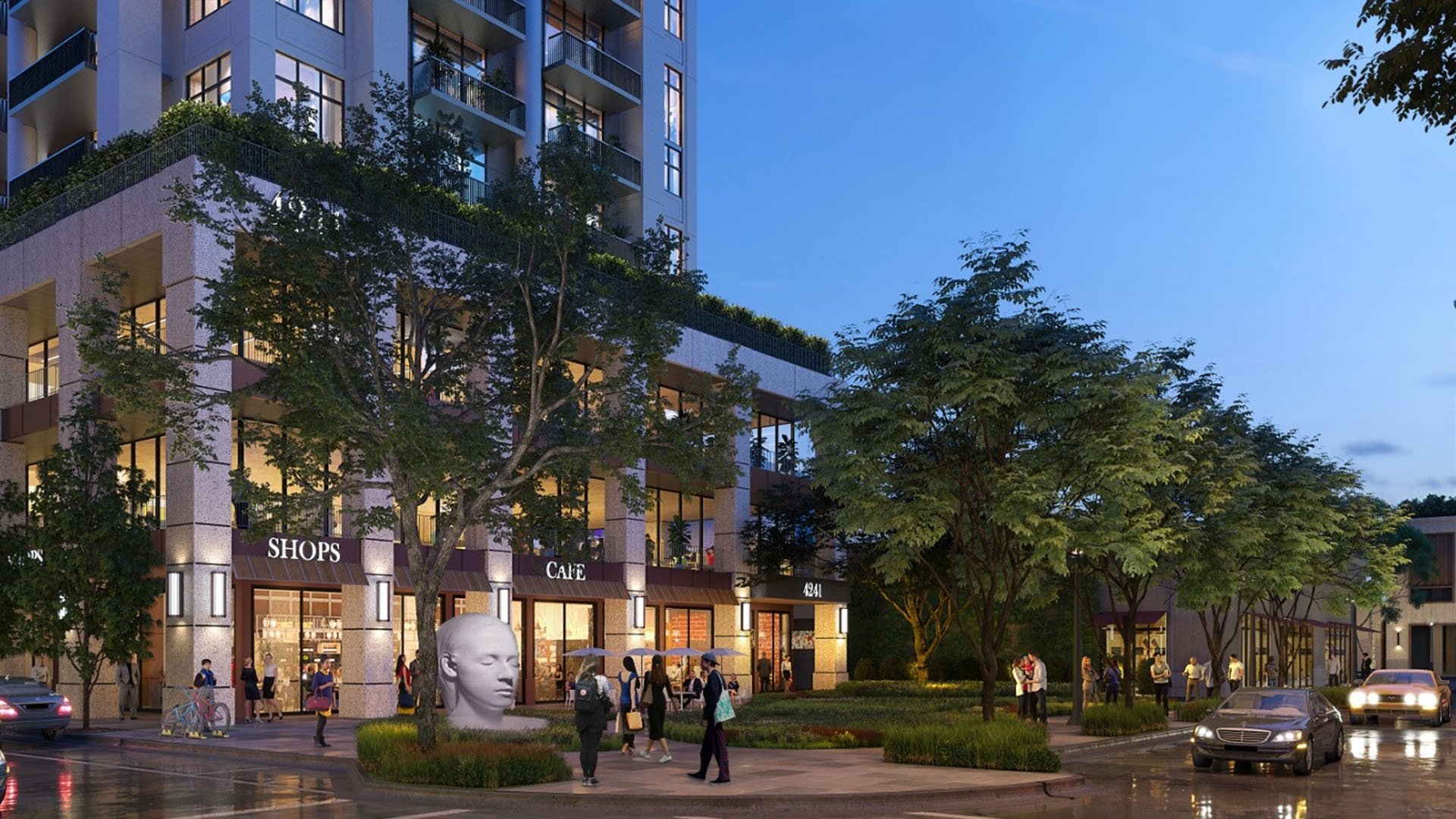
For a buyer considering Cora Merrick Park, the question is not simply whether shopping belongs in the lifestyle equation. It is whether that connection remains useful when the shopping day ends. A destination that works beautifully for an afternoon purchase may feel different once the boutiques close and the evening turns toward dinner or home.
Shops at Merrick Park is a two-floor, outdoor shopping center at 358 San Lorenzo Avenue in Coral Gables. Its mix of fashion, home décor and dining gives buyers reasons to consider it beyond a single retail errand. Yet those uses are not interchangeable: shopping hours establish when purchases are possible, not how the setting functions afterward.
That distinction matters when evaluating a residence. Retail convenience and after-hours appeal are separate propositions. Before assigning value to either, buyers should establish the actual journey from the residence, the access available at their preferred hour and the destinations they would genuinely use.
The center's standard schedule is Monday through Thursday, 11 a.m. to 8 p.m.; Friday and Saturday, 11 a.m. to 9 p.m.; and Sunday, 11 a.m. to 7 p.m. Friday and Saturday therefore offer the longest scheduled evening shopping windows. A 9 p.m. retail close, however, does not establish a late-night destination.
General schedules are not consistent. An alternative timetable has Monday through Saturday hours of 11 a.m. to 8 p.m., with Sunday hours of noon to 6 p.m. The practical response is not to choose whichever timetable best supports a lifestyle narrative. It is to confirm the relevant date and tenant before planning a visit.
For a buyer whose weekday evening begins near 8 p.m., that distinction can materially affect the usefulness of the shopping component. Someone who prefers an early Saturday dinner followed by a purchase may find the scheduled window a better fit. Neither routine establishes what remains accessible after shopping hours end.
Several retailers have hours consistent with the center's later weekend schedule. Scheduled closing times for Tory Burch and David Yurman are 9 p.m. on Friday and Saturday and 7 p.m. on Sunday. Allen Edmonds also has a scheduled 9 p.m. close on Friday and Saturday. Sunglass Hut's standard weekly schedule matches the center's.
Mayors illustrates why a center-wide timetable cannot replace tenant-level planning. Its scheduled Friday and Saturday close is 8 p.m., an hour earlier than the center's weekend close. Its Sunday hours are noon to 6 p.m. For someone arriving with a specific purchase in mind, that difference matters more than the broader address.
The lesson is not that one schedule diminishes the destination. Convenience is personal and time-specific. Buyers comparing Ponce Park Coral Gables can apply the same discipline: identify the businesses that matter, then evaluate the actual trip at the hour they expect to make it. This is a comparison method, not a claim of equivalent access.
Dining is part of the center's mix, but restaurant hours may differ from store hours. A boutique closing at 8 or 9 p.m. does not establish when a nearby restaurant seats its final guests, closes its kitchen or ends service. Confirm those details directly with the intended restaurant.
The outdoor format also requires careful interpretation. Open-air shopping describes the physical setting; it does not establish unrestricted pedestrian access after closing. Nor does it answer questions about nighttime lighting, parking availability or the atmosphere along a return route.
A useful visit follows the buyer's intended evening rather than a sales-tour timetable. Confirm dinner arrangements, establish which entrances and paths are available, and assess the journey home at the expected departure time. Observe whether the experience feels comfortable and straightforward rather than assuming daytime conditions carry into the night.
A quieter setting may be welcome to one household and disappointing to another. The relevant standard is fit, not a universal preference for activity. That judgment should follow an actual visit, not rest on the presence of recognizable retail names.
For Cora, the word connection should be treated as a practical question to resolve. Buyers should confirm the property's location relative to their preferred entrance, the usable walking route and any resident access arrangements. Direct access, a particular walking time or a formal relationship with the shopping center should not be assumed.
Start with departure from the building, not arrival at a boutique. Examine the route in both directions, including crossings, entry points and any changes as businesses close. If driving is part of the routine, confirm parking arrangements and the ability to retrieve the vehicle at the intended hour. These are viewing priorities, not established features.
The same approach applies when considering The Village at Coral Gables. Each residence should be assessed on its own route and access conditions. Sharing a city does not make two properties' relationships with a shopping destination interchangeable. Nor does a destination's appeal establish the ease of reaching it from a particular home.
The strongest case for shopping-related value begins with repeatable use. If a buyer expects to shop during the scheduled evening window, the center's retail mix and hours are relevant. If the priority is dinner after boutiques close, restaurant service and the return journey become the more important tests.
Keep those judgments separate when comparing residences. Assess retail utility first, dining utility second and after-closing access third. A favorable answer in one category should not fill an unanswered question in another. Equally, an earlier store closing need not undermine an evening routine built around a separately confirmed dinner reservation.
For Cora, the distinction is straightforward: shopping can inform the buying decision, but after-hours appeal must earn its place through a verified, personally useful experience. The luxury lies less in the promise of activity than in knowing that an ordinary evening works as intended.
For a considered approach to your next South Florida residence, explore MILLION.
If branded residences are on your mind — as a home or as an allocation — we would be glad to share what we are seeing, privately.
Begin a quiet conversationThe two-floor, outdoor shopping center is at 358 San Lorenzo Avenue in Coral Gables.
The standard schedule is Monday through Thursday, 11 a.m. to 8 p.m.; Friday and Saturday, 11 a.m. to 9 p.m.; and Sunday, 11 a.m. to 7 p.m. Confirm the intended tenant's hours before visiting.
Friday and Saturday have the latest scheduled center closing time, at 9 p.m. That does not establish late-night retail availability.
No, individual tenant hours vary. A center-wide schedule should not replace confirmation with the store you intend to visit.
Tory Burch, David Yurman, Allen Edmonds and Sunglass Hut have a scheduled 9 p.m. closing time on Friday and Saturday. Confirm hours for your intended visit.
Mayors has a scheduled 8 p.m. close on Friday and Saturday and Sunday hours of noon to 6 p.m. These are shorter than the center's standard weekend schedule.
Restaurant hours may differ from retail hours, but later service should not be assumed. Confirm seating, kitchen and closing times with the intended restaurant.
No, an outdoor format does not guarantee after-closing access. Buyers should confirm pedestrian access, available entrances and parking arrangements.
No, direct access should not be assumed. Confirm the property's actual route, usable entrances and any resident access arrangements before treating the connection as a residential benefit.
Visit at the time you expect to use the destination, with restaurant arrangements and access confirmed. Assess the full return journey rather than relying on a daytime shopping visit.