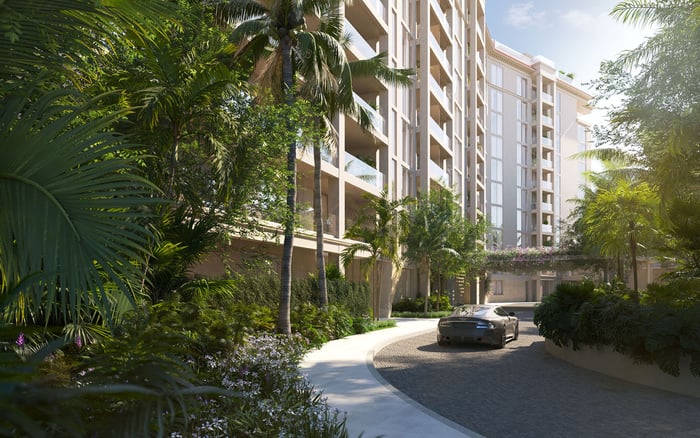
For a nonresident purchasing a South Florida condominium through a U.S. entity, disciplined contract review connects building inspections, reserve planning, outstanding repairs, and negotiated protections before review rights expire.

A South Florida residence can meet every aesthetic preference and still leave important ownership questions unanswered. For a nonresident buying through a U.S. entity, contract review should connect the apartment’s appeal with the building’s structural condition, reserve planning, and unresolved common-element work. A satisfactory interior inspection does not resolve those building-wide issues.
The discipline is to separate three questions: What did the inspection find? What repairs remain outstanding? How will the association fund them? A milestone inspection, Structural Integrity Reserve Study, developer-turnover inspection report, and annual budget each answer a different part of that inquiry. None substitutes for the others.
For a buyer considering The Residences at 1428 Brickell, the same distinction belongs in the acquisition brief: evaluate the residence and establish which building documents apply to the transaction. The project’s inclusion here implies no particular inspection findings or funding conditions.
Before interpreting findings, ask counsel to establish which materials exist, which apply, and when they must be delivered. For an existing-unit purchase, the statutory disclosure package includes applicable inspection materials alongside governing documents, the annual financial statement, and the budget. Structural inspection reports and reserve studies also form part of the association’s official records.
Contract review should address receipt of required materials before applicable review rights expire. Do not assume that an informal assurance, a brief summary, or a document promised for later provides an adequate opportunity to evaluate the purchase.
No single deadline applies to every building and transaction. Applicability and timing depend on the building, governing statute, and local enforcement requirements. Counsel should identify the relevant dates and distinguish statutory rights from any additional review period the parties negotiate. For a buyer coordinating decisions from abroad, allowing time for legal and technical review is a practical priority.
Florida residential condominium and cooperative buildings with three or more habitable stories generally require a milestone inspection at age 30 and every 10 years thereafter. Local enforcement agencies may require an initial inspection at age 25 when local conditions justify earlier review. Coastal proximity alone is not an automatic statewide trigger.
A Florida-licensed architect or engineer performs the inspection, evaluating structural condition, life-safety adequacy, and necessary maintenance or repairs. Phase 1 is a visual examination. Phase 2 is required when findings warrant further evaluation of substantial structural deterioration.
Request the complete report and the inspector-prepared summary, particularly when further investigation or repairs are identified. The buyer’s technical adviser should help distinguish observations from recommended work and matters requiring additional investigation.
For an ocean-oriented search in Miami Beach that includes 57 Ocean Miami Beach, diligence remains building-specific. Neither the address nor the waterfront setting replaces confirmation of applicable inspection requirements and actual findings.
A Structural Integrity Reserve Study, or SIRS, is a budget-planning tool for association-maintained structural and safety components. Covered condominium and cooperative associations generally must obtain one for buildings three stories or higher at least every 10 years after creation.
The study identifies covered components, estimates remaining useful lives and replacement or deferred-maintenance costs, and recommends reserve contributions. It addresses existing reserves and future funding needs. A completed SIRS establishes that a funding study exists-not that identified maintenance or repairs are complete.
Read its recommendations against the current budget, reserve funding, and planned capital work. When documents appear inconsistent, ask for an explanation rather than assuming the newest document resolves the discrepancy.
A buyer exploring Jade Signature Sunny Isles Beach should apply the same distinction in Sunny Isles Beach: the question is not simply whether a study is available, but how its recommendations relate to the association’s financial plan. The project reference implies no particular funding condition.
A developer-turnover inspection report concerns building condition at the transfer of association control. It is distinct from an individual-unit inspection and should be evaluated separately from the milestone inspection and SIRS.
Where a turnover report applies, compare its observations with later engineering materials and the association’s account of completed work. Ask which identified items remain open, what documentation supports completion, and whether the current capital plan addresses unresolved work. These are diligence requests, not an assumption that every buyer automatically receives a particular contractual remedy.
For a Surfside search that includes Fendi Château Residences Surfside, this document-by-document approach separates architectural appeal from the evidence needed to assess building condition. Do not infer repair status from presentation, reputation, or a finished interior.
Low regular assessments alone do not demonstrate financial strength when reserves are inadequate or major repairs remain unfunded. Review the current budget and year-end financial statement alongside reserve studies, milestone reports, and related engineering summaries.
A useful comparison follows each material finding through three stages: recommended work, current status, and proposed funding. Ask whether planned capital work corresponds to the identified need and whether the financial documents explain how that work will be supported.
The objective is not to predict a future assessment without supporting evidence. It is to identify uncertainty before committing to ownership. A study may recommend contributions while an inspection identifies repairs; examine the budget to understand how those needs are addressed. If the connection is unclear, further review is warranted.
Counsel can consider negotiating assessment-allocation clauses, repair escrows, expanded termination rights, and continuing seller disclosures. These are potential contractual protections, not automatic legal entitlements that arise merely from purchasing a condominium.
Negotiated language should address the specific uncertainty identified in diligence. Discuss how it treats unresolved repairs, assessments, later disclosures, and the evidence needed to resolve an open issue. Avoid relying on a general promise that matters will be handled before closing.
For the nonresident purchaser using a U.S. entity, keep ownership-structure advice separate. Ask qualified legal and tax advisers to confirm entity authority, any applicable association approval requirements, tax treatment, and beneficial-owner reporting questions. Building inspection and reserve materials do not answer those questions or establish an entity-specific exemption.
The strongest purchase decision rests on a coherent record: applicable documents received, findings understood, unresolved work identified, funding evaluated, and contractual responsibilities clarified. Attractive interiors and modest monthly charges cannot replace that review.
Proceed when the evidence and negotiated terms support the intended ownership decision-not merely when the document folder appears complete.
For a discreet South Florida property search informed by disciplined buyer priorities, explore MILLION.
If branded residences are on your mind — as a home or as an allocation — we would be glad to share what we are seeing, privately.
Begin a quiet conversationEstablish which building documents apply and when required materials must be delivered. Then connect inspection findings, outstanding repairs, and the association’s funding plan.
Covered Florida residential condominium and cooperative buildings with three or more habitable stories generally require one at age 30 and every 10 years thereafter. Local enforcement agencies may require an initial inspection at age 25 when local conditions justify it.
No. Coastal proximity should not be treated as an automatic statewide trigger; confirm the applicable local requirements.
Phase 1 is a visual examination. Phase 2 is required when findings warrant further evaluation of substantial structural deterioration.
Yes, request the complete report as well as the inspector-prepared summary, especially when additional investigation or repairs are identified.
No. A SIRS is a funding study that identifies covered components, estimates costs and useful lives, and recommends reserve contributions.
It concerns building condition at the transfer of association control. It is distinct from an inspection of the individual unit.
Not necessarily. Low regular assessments do not demonstrate financial strength when reserves are inadequate or major repairs remain unfunded.
No. They are potential negotiated contract protections and should not be assumed to apply automatically.
No. Entity authority, applicable association approval requirements, tax treatment, and beneficial-owner reporting questions require separate advice from qualified professionals.