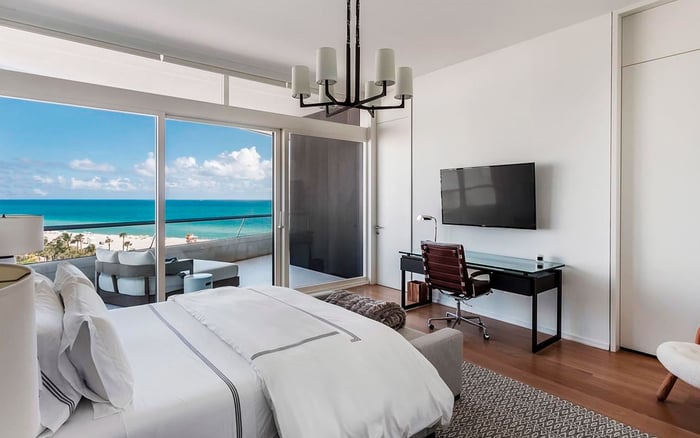
A coastal condominium’s insurance exposure extends well beyond the unit-owner premium. Buyers should examine master coverage, hurricane deductibles, flood protection, reserve funding and inspection obligations before committing.

Oceanfront ownership in South Florida calls for financial scrutiny as considered as the residence itself. A generous terrace and carefully resolved interiors may define the experience, but insurance arrangements and association finances shape the ongoing obligation. In 2026, the question is not simply what an individual policy costs. It is how the building’s coverage, deductibles, reserves and potential assessments fit together.
For a buyer considering Miami Beach residences such as 57 Ocean Miami Beach, that review should accompany the evaluation of layout and setting. A project name is not evidence of adequate insurance. Request the documents for the specific association, then have an insurance professional and Florida condominium attorney examine them before contractual due-diligence deadlines.
Begin with the association’s master-policy declarations page. Request the carrier, coverage limits, renewal date, exclusions and deductibles, along with the policy documents needed to understand those terms. Association insurance does not replace unit-owner insurance, and a summary is not a complete explanation of protection.
Ask specifically whether windstorm coverage falls within the master policy or a separate policy. Identify the wind carrier and any conditions affecting coverage. Then ask your insurance professional to explain where association protection ends and your proposed HO-6 coverage begins.
The renewal date deserves particular attention. Ask whether renewal terms are available and whether the budget reflects them. A current premium establishes today’s expense; it does not guarantee the association’s next insurance bill.
A percentage deductible can sound more manageable than the dollar amount it represents. Establish whether the association’s hurricane deductible is fixed or percentage-based, the insured value to which it applies, and the circumstances that trigger it. Request a written dollar calculation rather than relying on a percentage alone.
Next, ask how an uninsured amount could fall to individual owners. Have counsel explain the allocation under the governing documents, while the insurance professional evaluates whether the proposed unit-owner coverage would apply. Do not assume a policy limit and a deductible assessment are interchangeable concepts.
For a Surfside search that includes Fendi Château Residences Surfside, the same document-led approach applies: evaluate the actual policies rather than treating the address or presentation as a substitute for coverage analysis.
Standard condo unit-owner policies generally exclude flood damage. Verify whether the association carries flood insurance, then ask an insurance professional whether separate unit-level flood coverage is appropriate. A master policy does not, by itself, answer the flood question.
Loss-assessment coverage requires a separate discussion. Ask explicitly whether the proposed HO-6 policy covers your share of an assessment following a covered loss. Confirm the limit, exclusions and treatment of the association’s hurricane deductible. Request an explanation of any restrictions that could leave part of the assessment uninsured.
Keep that protection distinct from the association’s broader capital needs. Loss-assessment coverage is not blanket insurance against structural repairs, reserve shortfalls or maintenance assessments unrelated to a covered event. That distinction matters when weighing a quoted premium against the potential cash demands of ownership.
Request three to five years of special-assessment notices and board minutes. Identify charges connected to insurance premiums, storm damage, denied claims, roof work, water intrusion and structural repairs. The purpose is not to reject every building that has levied an assessment, but to understand what prompted it and what remains unresolved.
For each significant charge, ask what work or expense it funded, whether payments remain outstanding, and what documentation supports completion. Read the notices alongside the current budget, not in isolation.
A buyer comparing Sunny Isles Beach options, including Jade Signature Sunny Isles Beach, should ask the same questions across the shortlist. Consistent requests help distinguish documented obligations from reassuring generalities.
Qualifying Florida condominium buildings with three or more habitable stories are subject to structural inspection requirements. Obtain the complete milestone inspection documentation and evidence of completed repairs-not simply an assurance that an inspection occurred.
Independently verify the certificate-of-occupancy date, applicable local inspection category and next inspection deadline. A general reference to an inspection at age 30 and every 10 years afterward should not replace confirmation of the schedule for a particular coastal building.
Apply the same care to the Structural Integrity Reserve Study, or SIRS. Do not treat December 31, 2026 as a universal extension. Qualifying existing associations generally faced a December 31, 2025 deadline, with certain associations permitted to coordinate completion with a milestone inspection due by December 31, 2026. Have counsel confirm current requirements and the association’s eligibility for any coordination provision.
Request the full SIRS rather than a board summary. Review component useful lives, replacement costs, existing reserves, recommended contributions and funding shortfalls. Compare those findings with actual reserve balances and the adopted budget.
Pay particular attention to roofs, structural components, plumbing, electrical systems and waterproofing. The practical question is whether the association has a credible funding plan for identified needs or whether additional contributions, assessments or borrowing may be necessary.
Request budgets and board resolutions addressing reserve waivers, contribution reductions, loans and lines of credit. Ask whether the insurer has reviewed the SIRS and whether unresolved repairs or funding gaps affect renewal requirements. For a Fort Lauderdale comparison involving Auberge Beach Residences & Spa Fort Lauderdale, these remain association-specific questions. The residence’s positioning alone cannot answer them.
Bring the findings into one ownership review: the proposed HO-6 premium, association insurance costs, possible deductible exposure, reserve contributions and identified assessments. Separate recurring expenses from contingent obligations so that a low individual premium does not obscure a larger building-level commitment.
Before the applicable contractual deadlines, ask your attorney and insurance professional to resolve unanswered questions in writing. Insurance concerns do not create an automatic right to cancel; the contract and circumstances require legal review. The objective is not a promise of zero risk, but a clear understanding of the obligations accompanying the residence.
For a considered approach to your next South Florida residence, explore MILLION.
If branded residences are on your mind — as a home or as an allocation — we would be glad to share what we are seeing, privately.
Begin a quiet conversationStart with the association’s master-policy declarations page, then request the relevant policy documents. Review the carrier, limits, renewal date, exclusions and deductibles.
No. Have an insurance professional explain where association coverage ends and how the proposed HO-6 policy addresses your unit-level needs.
Do not assume it is included. Ask whether wind is insured within the master policy or separately, which carrier provides it and what conditions apply.
Request its dollar equivalent and confirm the insured value used in the calculation. Ask counsel how any resulting owner obligation would be allocated.
Standard unit-owner policies generally exclude flood damage. Verify association flood insurance and discuss separate unit-level coverage with an insurance professional.
No. It may respond to an assessment following a covered loss, subject to policy terms, but is not blanket protection for maintenance or reserve shortfalls.
Request three to five years of special-assessment notices and board minutes. Examine charges involving insurance, storm damage, denied claims and building repairs.
Review component useful lives, replacement costs, reserves, recommended contributions and shortfalls. Compare the full study with actual reserve balances and the adopted budget.
No. Certain associations may qualify to coordinate SIRS completion with a milestone inspection due by that date; counsel should confirm the building’s applicable requirements.
No automatic cancellation right should be assumed. Have a Florida condominium attorney review the contract and any concerns before applicable due-diligence deadlines.