A buyer-focused closing guide to verifying storage rights, inspecting owner closets and conditioned spaces, confirming bicycle access, and documenting seasonal belongings in Sunny Isles Beach.
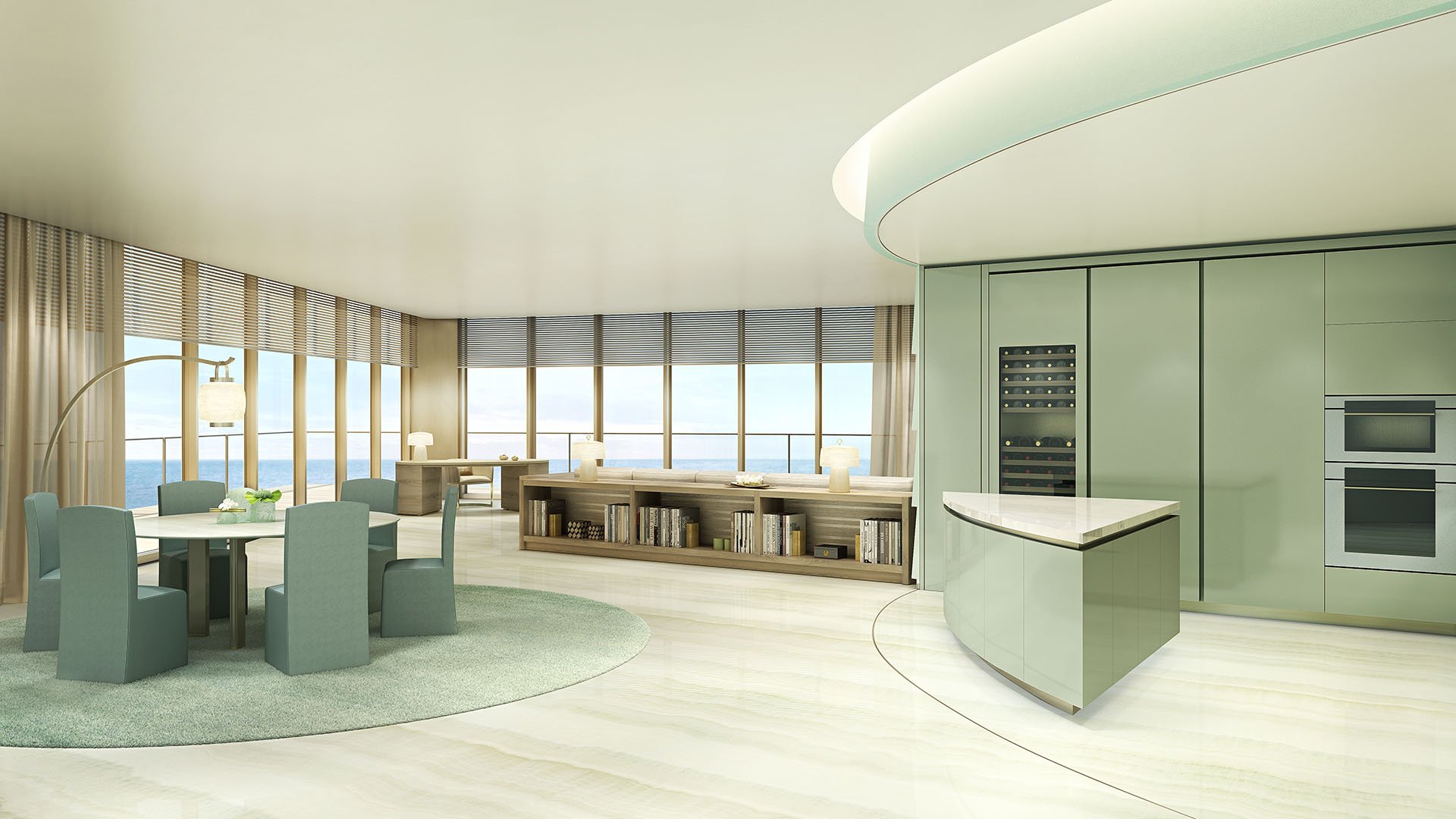
In Sunny Isles Beach, a residence's practical quality extends beyond its principal rooms. An owner closet for a seasonal wardrobe, storage suited to carefully selected furnishings, and a workable place for bicycles can make a second residence easier to enjoy. None, however, should be treated as a settled feature simply because it appears in a sales description.
Closing readiness means aligning three things: the space inspected, the right conveyed, and the belongings delivered. A beautiful apartment can still leave unanswered questions about an off-unit cage, a locked cabinet, or access to a shared bicycle area. Resolve those questions while the contract and association documents can still guide the transaction.
For buyers considering Jade Signature Sunny Isles Beach, this is a useful diligence framework, not a statement about that project's storage provisions. The same discipline applies to any purchase where discreet, reliable storage matters to daily life.
Florida's 2024 condominium statutory framework provides document-review and cancellation rights, with different provisions for developer sales and resales. Resale contracts must contain a conspicuous statutory notice addressing the buyer's right to receive condominium documents before closing. Developer-sale disclosures include the declaration, association documents, bylaws, applicable facility leases, and other prescribed materials.
Those disclosures are a starting point, not a substitute for identifying the particular storage space being purchased or used. Ask transaction counsel to confirm the current requirements and applicable deadlines, then reconcile the purchase agreement with the declaration, relevant assignments, and current association rules.
The central question is simple: what is the legal basis for using this space? Determine whether it forms part of the unit, is designated for that owner's use, or is a shared amenity. If use depends on an assignment or separate arrangement, confirm what happens at transfer. A seller's longstanding use alone should not settle the question.
Request written confirmation of identifiers, permitted use, access arrangements, and any applicable fees or approval requirements. Keep that confirmation with the closing documents rather than relying on a verbal explanation during a tour.
Evaluate an owner closet as a working space, not merely a label on a floor plan. Measure its interior and doorway, check shelving and hardware, and consider whether the intended contents can be placed inside without blocking access. Photograph its condition before it is filled or emptied.
Distinguish permanent fixtures from movable belongings. A fitted cabinet, freestanding shelving unit, and locked owner's compartment may raise different inclusion questions. Have the contract identify what remains, what the seller removes, and how the buyer will gain access to any locked compartment.
A buyer comparing Armani Casa Sunny Isles Beach with other residences should apply the same room-by-room approach without assuming a particular closet size or storage entitlement. The relevant measure is whether the inspected arrangement fits the buyer's intended use and is supported by the transaction documents.
For seasonal occupancy, also decide who may enter the closet while the owner is away. Confirm credential handling and access expectations with management rather than assuming staff or a household representative can enter whenever needed.
The word conditioned deserves its own inspection. It does not, by itself, establish a temperature range, humidity level, continuous operation, or suitability for delicate belongings. Ask how the space is served, who controls the system, and who is responsible for maintenance.
Inspect the specific room or enclosure offered with the residence. Look for visible moisture, staining, and odors, and check the condition of doors and seals. If climate-sensitive contents are planned, arrange an appropriate professional assessment and request available operating information. A cool room during one visit is not proof of year-round performance.
Clarify whether conditioning reaches the storage enclosure itself or only an adjacent corridor. Ask about operating hours, outage procedures, and restrictions on stored contents. These are transaction-specific questions, not established features of every Sunny Isles Beach condominium.
At Turnberry Ocean Club Sunny Isles or another residence under consideration, the same distinction matters: marketing language should lead to confirmation, not replace it. Separate the physical inspection from the legal verification of the space's use and transferability.
A bicycle-storage amenity does not necessarily provide an exclusive assigned position. For 19333 Collins Avenue, Apartment 709, bicycle storage is described as a community amenity; that description does not document a private storage assignment.
Before closing, inspect the designated area and ask whether use involves registration, a waiting list, rack allocation, or separate credentials. Confirm the permitted route through the property, available access hours, and whether the buyer's bicycle fits the approved arrangement. Do not infer capacity or availability from an amenity label.
Building rules can materially change the answer. At King David of Sunny Isles, bicycles, mopeds, and motorcycles are prohibited inside the building, bicycle racks are allowed only in designated areas, and bicycle storage is at the owner's risk. These are building-specific restrictions, not rules for the entire city. Obtain the current rules for the property being purchased.
Give seasonal belongings their own schedule. Identify what is included, what must be removed, and where each retained item will be stored. Photograph the inventory, including opened boxes and electronics' serial numbers, and keep a cloud-backed copy available to the owner and designated representative.
Practical storm preparation can include plastic containers and elevating contents on permitted shelving, runners, or pallets rather than leaving them directly on the floor. Seek written confirmation of hurricane procedures and check that the proposed setup complies with building rules. These are preparation recommendations, not legal requirements or guarantees against damage.
Storage restrictions deserve equal attention. At King David, personal property must remain in the resident's storage unit or cage. Items outside designated storage areas, combustible materials, and items creating fire or environmental hazards are prohibited. Balcony and terrace storage is also restricted. Confirm the current rules at the purchased property before choosing where seasonal equipment will remain.
Include every relevant closet, cage, storage room, and permitted bicycle area in the final walkthrough. Match identifiers to the paperwork, test the delivered keys or credentials, and confirm that excluded belongings have been removed. Review balconies and terraces as well as interior spaces.
Address any discrepancy through the transaction team before closing, with responsibilities clearly recorded. The goal is not simply more storage. It is usable, permitted storage that supports the residence from the first day of ownership.
Explore Sunny Isles Beach residences with MILLION and bring the same precision to the spaces behind the principal rooms.
If branded residences are on your mind — as a home or as an allocation — we would be glad to share what we are seeing, privately.
Begin a quiet conversationNo. An amenity description does not establish an exclusive assignment; confirm the specific space and the documents supporting its use.
Confirm the legal classification of the space and whether its assignment or use arrangement continues with the purchase. Have transaction counsel reconcile the contract and governing documents.
Measure the interior and doorway, inspect shelving and hardware, and document condition. Confirm which fixtures remain and how locked compartments will be accessed.
No. Verify the system serving the actual enclosure, its operation, and any relevant performance information before storing climate-sensitive belongings.
No. Florida's statutory provisions differ between these transactions; counsel should confirm current requirements and applicable review or cancellation deadlines.
No citywide permission is established here. King David's supplied rules prohibit bicycles inside the building and permit racks only in designated areas; check the purchased property's current rules.
Ask about allocation, registration, access credentials, permitted routes, and availability. Inspect whether the approved arrangement accommodates the bicycle.
Prepare an inclusion and removal schedule, photograph contents and electronics' serial numbers, and retain a cloud-backed inventory copy.
They are preparation recommendations, not legal requirements or damage guarantees. Confirm that the proposed arrangement complies with the building's rules.
Inspect relevant closets, cages, storage rooms, and permitted bicycle areas, and test keys or credentials. Confirm removal of excluded belongings and review balconies and terraces for storage issues.