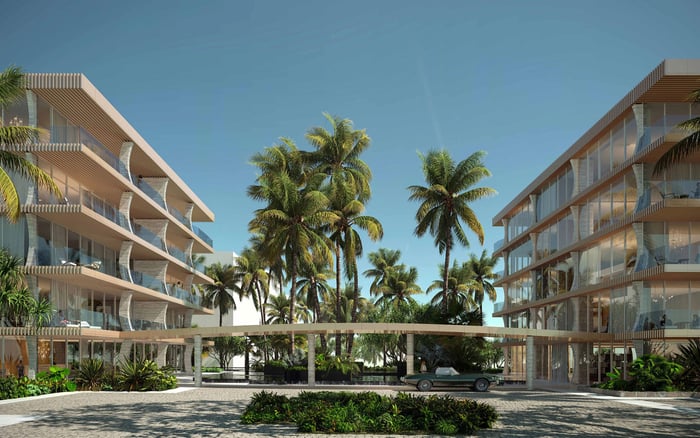
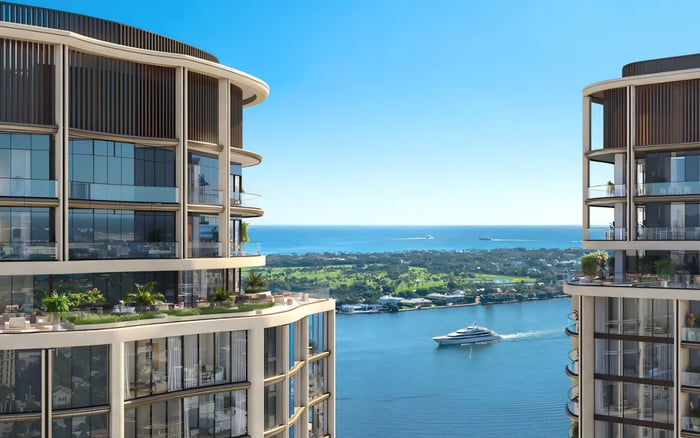
Before closing on a branded residence along South Flagler Drive, buyers should examine future demand for the exact home rather than the building as a whole. The most useful review considers unit size, view line, floor, competing inventory and total annual carrying cost.

Closing on South Flagler House West Palm Beach is an opportunity to examine how a future buyer may evaluate the exact residence. Building-wide interest can provide context, but resale depth ultimately depends on the home’s combination of layout, size, elevation, exposure, outdoor space and ownership cost.
A useful review does not attempt to predict a resale date or price. It asks whether the residence has a clear audience, how many close substitutes may compete with it and which features are likely to matter most when a future purchaser compares available options along South Flagler Drive.
The relevant resale market is defined by the residence and its closest substitutes, not simply by the building name.
Start by describing the probable purchaser in practical terms. Consider whether the residence is best suited to a primary resident, a seasonal owner or someone seeking a larger South Florida home with extensive entertaining space. Each profile may assign different weight to bedroom count, privacy, terrace usability, service and recurring expenses.
Unit size can deepen or narrow the audience. A more compact plan may appeal to buyers who value simplicity and a lower absolute carrying burden, while a larger residence may attract purchasers who need additional bedrooms, staff space or broader entertaining areas. The larger home should not automatically be treated as more liquid merely because it offers more space.
Ask the sales team or closing representatives for current inventory organized by line, floor plan and bedroom count. The objective is to identify exact matches and near substitutes. Developer-held residences, pending transactions and potential owner resales may all affect the choices available to a future buyer, subject to the governing documents and the circumstances at that time.
A stack-level review should account for interior configuration as well as stated size. Two residences with similar area can serve different audiences if one has a more efficient circulation pattern, a stronger bedroom arrangement or a more functional relationship between the living spaces and terrace.
Review the final floor plan and identify features that may distinguish the home from alternatives. These can include corner exposure, separation between primary and secondary bedrooms, kitchen placement, service access, storage and the usability of outdoor areas. The goal is not to assign an unsupported premium to any feature, but to understand which characteristics make the residence easier or harder to replace.
Also ask how many comparable homes could be offered at the same time. A plan that appears scarce today may face more competition if similar developer inventory or owner listings reach the market together. Conversely, genuine differences in layout, exposure or outdoor space may help separate the residence from superficially similar listings.
Floor and view should be analyzed independently before they are considered together. Within the same line, compare how the residence’s elevation relates to privacy, outlook and the surrounding built environment. Then determine whether its orientation provides a view profile that a future buyer is likely to distinguish from nearby alternatives.
Avoid assuming that greater elevation always produces a durable resale advantage. A lower residence may offer a preferable visual angle or a stronger connection to the water, while a higher home may provide broader outlooks or greater separation from activity below. The relevant question is whether the floor premium is supported by a feature that remains meaningful to the likely buyer.
Terraces deserve a separate assessment from interior space. Examine depth, exposure, privacy, access from principal rooms and practical furniture placement. Outdoor area can influence buyer preference, but its contribution should be considered through usability rather than folded mechanically into the valuation of interior square footage.
Buyers should also review available information concerning neighboring parcels and potential changes in the immediate setting. Any conclusion about future views should be based on appropriate due diligence rather than an assumption that the current outlook will remain unchanged.
The complete annual ownership burden can materially shape the future audience. Request the current budget and identify the residence’s applicable common charges, taxes, insurance, utilities and any other recurring expenses disclosed in the governing or closing documents. Confirm which items are included, which are billed separately and which may vary with usage.
Evaluate these costs in absolute annual terms, not only as a rate. A future buyer will consider the total amount required to own and operate the home alongside the purchase price. This is particularly important when comparing residences of different sizes, because a larger home may carry a greater recurring burden even when the competing properties have similar asking prices.
Model more than one ownership scenario. Consider how the home compares with a smaller residence in the same corridor, a similarly sized home in another West Palm Beach building and a newer offering that may compete on design or amenities. This exercise is intended to reveal sensitivity, not to forecast future expenses.
Ask whether available budgets reflect the operating conditions expected after turnover and which expenses remain residence-specific. The final condominium documents, current budget and professional advice should control the analysis.
The comparison set should be broad enough to reflect genuine alternatives but narrow enough to remain useful. Begin with residences that share a similar location, scale, view orientation, layout and total ownership burden. Adjust for delivery status and differences in the ownership proposition rather than relying on a single headline metric.
Along the corridor, Maison D'Or South Flagler and Edgeworth West Palm Beach may be considered when evaluating the choices a future purchaser could review. Their relevance depends on the residence being analyzed, available inventory and each buyer’s priorities at the time.
A comparison with Forté on Flagler West Palm Beach can provide another South Flagler reference point. Comparisons should account for residence size, privacy, floor, exposure, outdoor space, amenities and recurring costs. A project is not a true substitute merely because it shares the same corridor or luxury positioning.
The closing review should preserve the evidence used to judge resale reach. Keep the final floor plan, applicable budget, governing documents, inventory information supplied during the purchase and any residence-specific calculations prepared with qualified advisers.
Ask five core questions: Who is the most likely future buyer? How many exact or near substitutes could compete with the residence? What distinguishes its floor and view line? How usable are its interior and outdoor spaces? What is the complete annual cost of ownership?
Clear answers will not guarantee liquidity, but they can expose where the resale case is strongest and where it depends on a narrower set of preferences. The objective is to understand whether the residence combines recognizable scarcity, practical utility and an ownership burden acceptable to its likely audience.
For discreet guidance on South Florida’s ultra-premium residential market, connect with MILLION.
If branded residences are on your mind — as a home or as an allocation — we would be glad to share what we are seeing, privately.
Begin a quiet conversationThe closing stage allows a buyer to organize residence-specific documents and test how future purchasers may compare the home with close alternatives.
No. Building-level activity does not establish demand for a particular layout, size, floor or view line.
Review exact matches and near substitutes by stack, floor plan, bedroom count, exposure and outdoor space.
Different sizes serve different ownership needs and carrying-cost tolerances. More space does not automatically mean deeper resale demand.
Compare floors within the same line and determine whether elevation produces meaningful differences in privacy, outlook or buyer preference.
Orientation and sight lines can differ even among residences at similar elevations. Separating the factors helps clarify what a future buyer may value.
No. Assess outdoor space separately according to depth, exposure, privacy, access and practical usability.
Use the applicable documents to examine common charges, taxes, insurance, utilities and other disclosed recurring expenses.
South Flagler House may be reviewed alongside relevant residences at Maison D'Or, Edgeworth and Forté on Flagler, depending on availability and buyer priorities.
Keep the final floor plan, governing documents, applicable budget, supplied inventory information and residence-specific calculations.