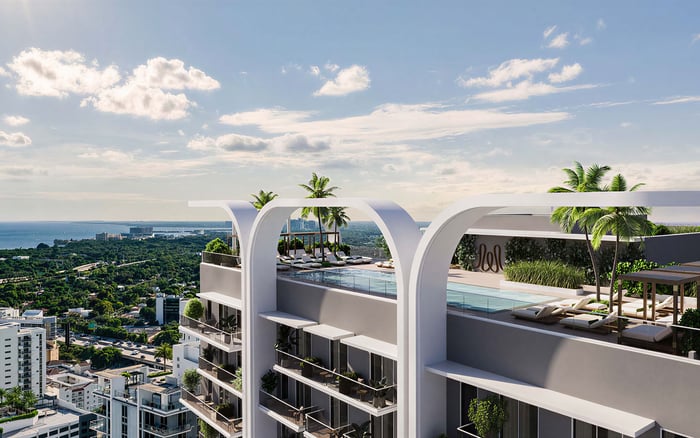
Before closing on a Downtown Miami branded residence, establish who controls the waterfront, how maintenance and replacement costs reach your unit, and what permits, reserves and insurance actually address.
A branded residence can make waterfront living feel effortless. At closing, however, the central questions concern responsibility: who maintains the shoreline, who approves major work, and how those costs reach an individual owner. The brand is no substitute for the governing documents.
For a buyer considering Aston Martin Residences Downtown Miami, the starting point is a property-specific review, not an assumption about the waterfront. The same discipline applies to any Downtown Miami purchase where shoreline obligations may affect ownership costs.
Keep five matters distinct: seawall ownership, maintenance authority, dredging obligations, shoreline approvals and insurance. A reassuring answer on one does not resolve the others. These are questions for document review, not conclusions about any named residence.
Ask counsel to identify the seawall in the declaration and recorded plans. Is it a condominium common element, or does another owner or association carry responsibility? If the wall is a common element, establish the association's maintenance obligations and the provisions governing replacement.
Do not stop at the building board. Does a master association have authority over waterfront upkeep? Confirm whether the entity collecting residential dues is also the entity directing seawall work.
Request the applicable master-association documents and cost-allocation provisions. Who can commission engineering, approve replacement, enter contracts and allocate charges? What role does the residential association have in those decisions?
Before closing, request a written explanation tracing responsibility from the waterfront owner through each association to the unit. Ownership, decision-making authority and payment obligations should each be clear.
Current dues tell only part of the story. Ask for the latest seawall condition assessment, inspection records, repair history and any engineering recommendations awaiting action. Request board minutes, proposed budgets and correspondence about planned waterfront work; do not limit the inquiry to assessments already adopted.
For a buyer comparing Baccarat Residences Brickell with other residences, the key question is whether the documents identify both the contemplated work and the unit's potential share. Neither can be inferred from branding or the apparent condition of the grounds.
If replacement is under consideration, request the scope, estimates, proposed funding and allocation formula. Have counsel distinguish approved obligations from preliminary discussions and clarify how the purchase contract treats assessments.
Ask whether any claims from residents or neighboring properties, or unresolved maintenance demands, concern the seawall. Have counsel assess their implications for the purchase.
Request the complete waterfront permit history, including approvals for construction, reconstruction and repairs, together with available completion records. Have the engineer distinguish permitted work from proposed work and identify unresolved approval questions.
A surveyed seawall elevation should accompany a property-specific compliance assessment. Do not rely on a generalized Miami elevation figure or assume that requirements elsewhere in South Florida apply Downtown. Confirm with the relevant authority the applicable standard, survey datum and whether contemplated work would trigger additional requirements.
Ask the permitting adviser whether a Miami-Dade short-form pathway is available for the proposed work and, if so, what eligibility conditions and limits apply. Do not treat a potential permitting pathway as approval for a particular design.
Have counsel identify any required state approvals and establish whether the Coastal Construction Control Line affects the actual frontage. Do not assume it governs every bayfront or riverfront parcel; request a property-specific determination of the relevant permitting requirements.
Review any installation-related dredging permission separately from agreements governing ongoing navigation maintenance. Do not infer who must maintain a channel or pay future dredging bills from a seawall permit alone.
If waterfront access is part of the purchase decision, request any agreements defining navigation-depth maintenance, dredging responsibility and cost sharing. Ask whether the duty belongs to the condominium association, a master association, another waterfront owner or a separate operator. Obtain the actual allocation language rather than accepting a verbal description.
Then clarify the scope: does the obligation concern installation work, recurring maintenance or a defined area of water? What approvals would future work require, and who must obtain them?
Do not assume that a residence without a private boat slip has no exposure, or that a water view creates an obligation. The documents must answer both questions.
Evaluate a proposed replacement wall or alternative shoreline treatment as a project requiring site-specific review, not simply a future amenity. Ask for the engineering concept, permitting status, budget and decision-making authority before assigning value to a promised improvement.
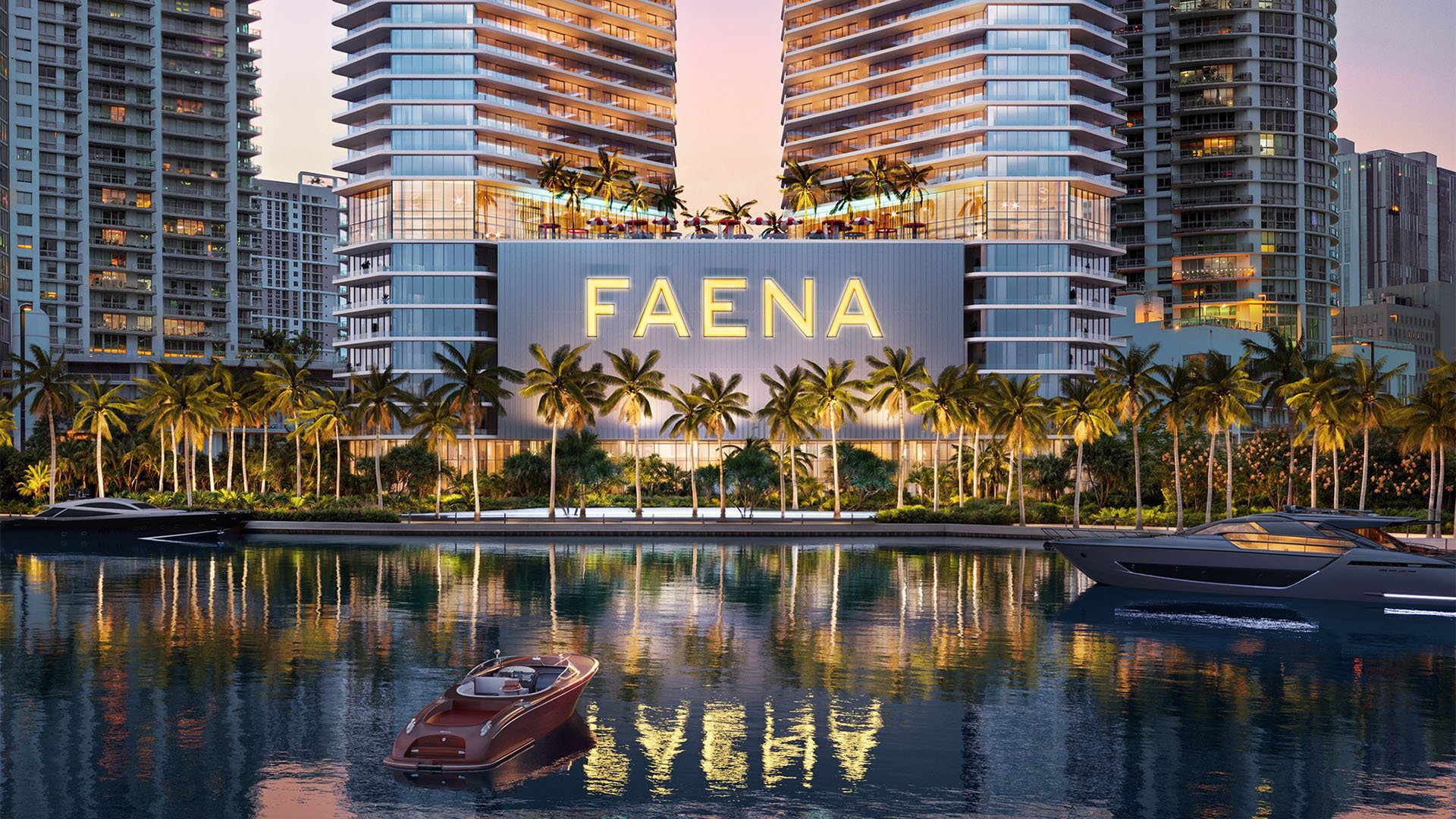
When considering Faena Residences Miami Downtown Miami, apply the same distinction between presentation and documented responsibility. This is not a statement about the project's shoreline arrangements; those require their own review.
Ask counsel to identify any recorded easements or access provisions affecting maintenance and construction. Ask the engineer whether the proposed solution has been evaluated for the actual frontage. The closing file should clearly distinguish an aspiration from a designed project and an approved scope of work.
Request the Structural Integrity Reserve Study, where applicable, along with its funding schedule, current reserve balances and separate waterfront capital planning. Have counsel confirm the association's current statutory obligations rather than relying on a generalized deadline.
Do not assume the seawall is automatically included in the study. Ask the preparer to explain its treatment and whether applicable structural criteria bring it within scope. If it falls outside the study, ask where maintenance and replacement are budgeted instead.
The practical question is whether identified work has an identified funding source. Read the engineering recommendations, reserve schedule and proposed assessments together. The existence of a study alone does not explain how a particular waterfront expense will be funded.
Obtain the actual master policies and unit-level coverage requirements. Ask the broker to identify flood and wind deductibles, relevant limits, and wording addressing seawall failure, erosion and storm surge. Do not assume a waterfront loss is insured-or categorically excluded-without reviewing the policy language.
Ask the broker whether reserve compliance or outstanding waterfront work raises underwriting concerns. Request renewal terms, non-renewal notices and insurer-required repairs alongside the reserve documents, and clarify how any applicable deductible or uninsured expense could reach the unit owner under the governing documents.
Before committing funds, have counsel, the engineer and the insurance adviser address the same set of unresolved questions. The objective is not to eliminate every waterfront risk, but to understand responsibility, funding and coverage well enough to make a considered purchase.
For a discreet conversation about your Downtown Miami residence search, connect with MILLION.
If branded residences are on your mind — as a home or as an allocation — we would be glad to share what we are seeing, privately.
Begin a quiet conversationEstablish ownership and maintenance responsibility through the declaration and recorded plans. Have counsel identify the responsible entity and the provisions governing repair and replacement.
Review the applicable master-association documents and cost-allocation provisions. Confirm who authorizes seawall work and how charges reach the residential association and unit owner.
Ask about proposed waterfront projects as well as adopted assessments, including scope, funding and the unit's allocation formula. Have counsel clarify the contract's treatment of those charges.
Request seawall condition assessments, inspection records, repair history and outstanding engineering recommendations. Review them alongside board minutes and proposed budgets.
Do not rely on a generalized elevation figure. Obtain a surveyed elevation and have the applicable authority and engineer confirm the property-specific requirements.
Do not infer recurring maintenance duties from installation-related permission alone. Review the agreements defining navigation maintenance, cost sharing and responsibility for future approvals.
Do not assume it applies to every bayfront or riverfront parcel. Establish whether it affects the actual frontage before determining the relevant state permitting requirements.
Do not assume inclusion. Ask the study preparer to explain the wall's treatment and identify where maintenance and replacement are budgeted.
Coverage depends on the actual policy language. Ask the broker to review relevant limits, deductibles and exclusions affecting seawall failure, erosion and storm surge.
Reviewing both helps buyers evaluate funding and coverage questions together. Ask the broker about underwriting concerns and compare funding schedules with renewal terms and insurer-required repairs.