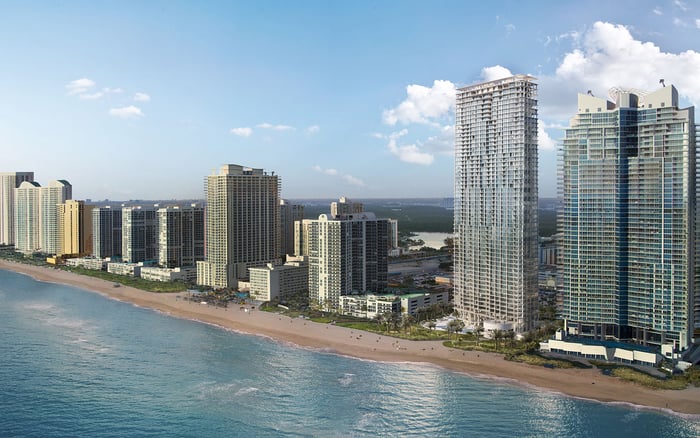
Before closing on a boutique condominium in Sunny Isles Beach, examine whether the assessment supports the promised service, current insurance costs, and applicable reserve funding. These questions help buyers distinguish a considered operating plan from an attractive monthly number.
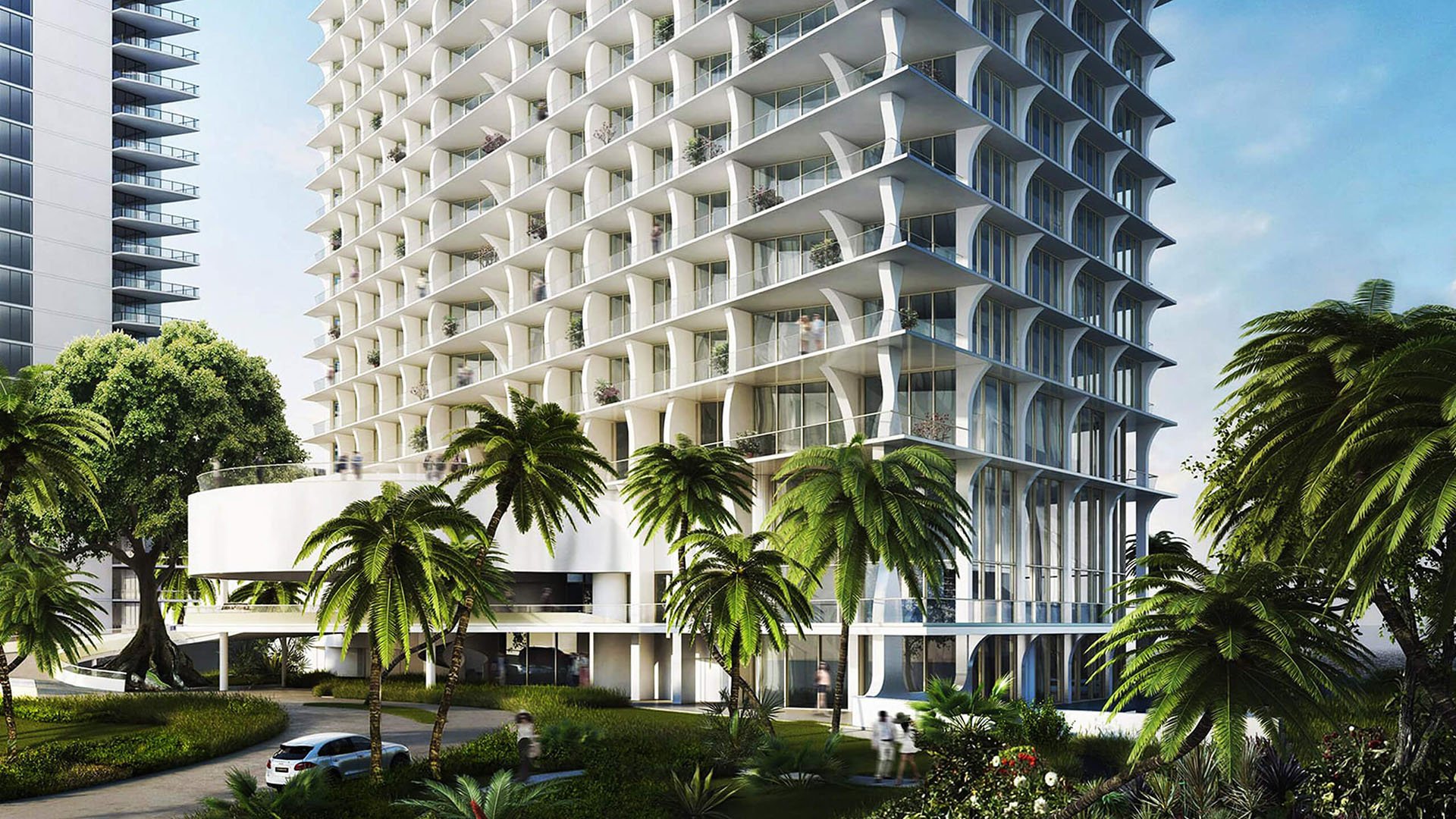
A boutique condominium purchase in Sunny Isles Beach is a decision about privacy, service, and the financial structure that supports both. The monthly assessment deserves the same scrutiny as the residence itself. Before closing, the question is not simply whether that number feels competitive, but whether the assumptions behind it are credible.
For a buyer considering Muse Residences Sunny Isles Beach, the discipline is straightforward: evaluate the residence and the association’s financial commitments separately. A project name does not establish budget adequacy. Understand the assessment through its recurring operating expenses, insurance obligations, and applicable reserve contributions-not as a single measure of value.
Florida condominium budgets must include reserve accounts for capital expenditures and deferred maintenance alongside annual operating expenses, subject to applicable statutory exceptions. Begin by asking whether the adopted assessment funds both recurring costs and required annual reserve contributions, or relies on postponed spending and future special assessments.
Request the current adopted budget and ask management to explain the assumptions behind its principal categories. Where available, compare budgeted amounts with actual spending. A variance is not automatically a warning, but an unexplained gap warrants attention before closing.
Common expenses can encompass operating, maintaining, repairing, replacing, and protecting common elements and association property, as well as association insurance. Security, transportation, communications, and other services may also qualify when properly provided for owners’ general benefit. Ask which services the assessment includes and which expenses you must pay directly.
Do not mistake Florida’s 115% budget-assessment calculation for a blanket 15% ceiling on total increases. Required reserves, certain nonrecurring structural-component maintenance and repair expenses, and insurance premiums are excluded from that calculation. Have counsel explain how it applies rather than treating it as a cap on future ownership costs.
For a buyer weighing Regalia Sunny Isles Beach, the payroll review starts with the same question that applies elsewhere: does the operating budget reflect the actual staffing plan? This is a due-diligence question, not a statement about that association’s finances.
Request separate costs for management, concierge, valet, engineering, housekeeping, security, and administration wherever those functions apply. These are useful analytical categories, not a claim that Florida mandates each as a separate budget line.
Then connect the numbers to service delivery. Ask which roles are employees and which are contracted, what coverage the budget assumes, and whether it includes anticipated staffing changes. If expected service depends on coverage absent from the allowance, ask how that coverage will be funded.
The objective is not to cut staffing indiscriminately. It is to confirm that the level of attention you value has a corresponding, identifiable expense allowance.
Utilities warrant a separate review because a broad allowance can obscure what the association pays. Request separate figures for common-area electricity, water and sewer, trash, shared cable or internet, and common-area HVAC, identifying which categories apply.
Ask whether each allowance reflects current charges and expected usage. Establish where shared expenses end and separately billed residence expenses begin. If a service is described as included, confirm where its cost appears in the budget.
When comparing a residence at Jade Signature Sunny Isles Beach with another purchase candidate, align the expense categories before comparing assessments. The question is whether the two numbers cover the same obligations-not which is lower in isolation. A project’s presentation is no substitute for that reconciliation.
Test the insurance allowance against current coverage and renewal pricing rather than accepting it because it resembles a prior year’s premium. Ask what documentation supports the budgeted amount, when the next renewal occurs, and whether the allowance incorporates available renewal information.
Florida law requires condominium-association property-insurance replacement-cost determinations at least every 36 months. Request the date of the latest valuation and ask whether the insurance budget reflects it.
Distinguish a current premium from a renewal estimate and a funded budget allowance. Each answers a different question. If renewal pricing is not yet available, ask what assumption the association has used and how it would address a higher cost.
The closing decision should rest on the building’s own coverage and financial position, not on a regional average or an assumption that another association’s premium serves as a useful quote.
Florida requires structural integrity reserve studies, or SIRS, at least every 10 years for covered residential condominium buildings with three or more habitable stories. Covered components include roofs, primary structural systems, fireproofing and fire protection, plumbing, electrical systems, waterproofing and exterior painting, windows, exterior doors, and other qualifying components.
Ask how repair and replacement estimates were established, what timing assumptions were used, and whether the current annual reserve contribution follows the applicable funding schedule. Examine reserve inflation through those estimates and assumptions, not a generic percentage added to every line.
The 2025 revisions replaced a $10,000 threshold for certain additional reserve components with $25,000 and an inflation-adjustment mechanism. That threshold adjustment does not, by itself, establish that an association’s annual reserve contribution must increase every year.
Funding the required annual contribution is not the same as holding the entire eventual replacement cost in cash today. Evaluate the contribution, existing funds, and applicable schedule together. For associations subject to mandatory SIRS funding, verify restrictions on waiving or reducing covered reserves and obtain the legal basis for any claimed exception or deferral.
Request the latest applicable milestone-inspection materials and ask whether further investigation or repairs remain pending. A reserve schedule and an inspection address different questions; both must be considered alongside unresolved work.
Ask specifically about approved or contemplated special assessments for insurance, roofing, concrete restoration, elevators, and other projects not fully covered by existing funds. Distinguish an approved obligation from a project still under consideration. Have your attorney review how the purchase contract addresses identified obligations.
Association official records include budgets and applicable structural-reserve and inspection materials. Obtain them through the seller or an authorized association-records process rather than assuming unrestricted access to a buyer portal.
Before closing, seek a clear connection between the service plan, current expenses, insurance assumptions, reserve schedule, and pending work. The strongest ownership decision is not necessarily the one with the lowest assessment. It is the one whose financial commitments you understand.
For a considered approach to your next Sunny Isles Beach residence, connect with MILLION.
If branded residences are on your mind — as a home or as an allocation — we would be glad to share what we are seeing, privately.
Begin a quiet conversationAsk whether the monthly assessment funds recurring operating expenses and required annual reserve contributions, or depends on deferred spending and future special assessments.
Request separate costs for management, concierge, valet, engineering, housekeeping, security, and administration where applicable. Compare those allowances with the actual staffing plan.
The suggested categories are due-diligence questions, not a statement that Florida requires each as a separate line item. Their purpose is to clarify how the service plan is funded.
Ask about common-area electricity, water and sewer, trash, shared cable or internet, and common-area HVAC. Confirm which costs the association pays and which are billed directly to the residence.
No. The 115% budget-assessment calculation excludes required reserves, certain nonrecurring structural-component maintenance and repair expenses, and insurance premiums; it is not a blanket ceiling on total increases.
Florida law requires replacement-cost determinations at least every 36 months. Ask when the latest valuation was completed and whether the insurance budget reflects it.
Florida requires SIRS at least every 10 years for covered residential condominium buildings with three or more habitable stories. Confirm the requirements applicable to the building under consideration.
Not by itself. Evaluate the study’s repair and replacement estimates and whether the current annual contribution follows the applicable funding schedule.
Funding the required annual reserve contribution is different from holding the entire eventual replacement cost today. Review existing funds, contributions, and the applicable funding schedule together.
Request them through the seller or an authorized association-records process. Review applicable inspection materials alongside pending repairs and approved or contemplated special assessments.