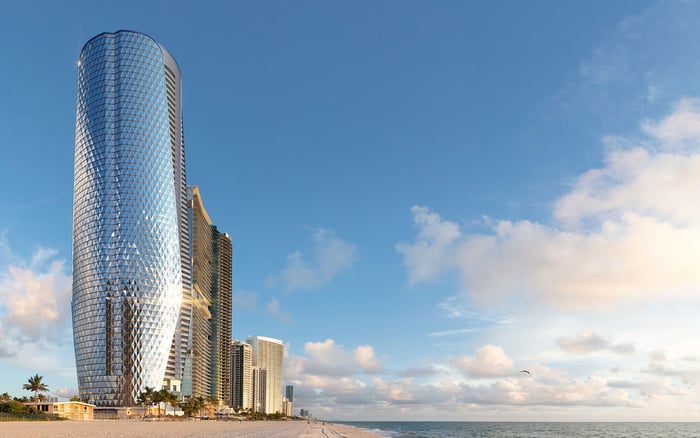
At Turnberry Ocean Club, informed ownership begins with connecting the structural reserve study to actual balances, funding commitments and unit-level obligations. A buyer’s review should extend from capital planning to operating finances, governing documents and closing allocations.
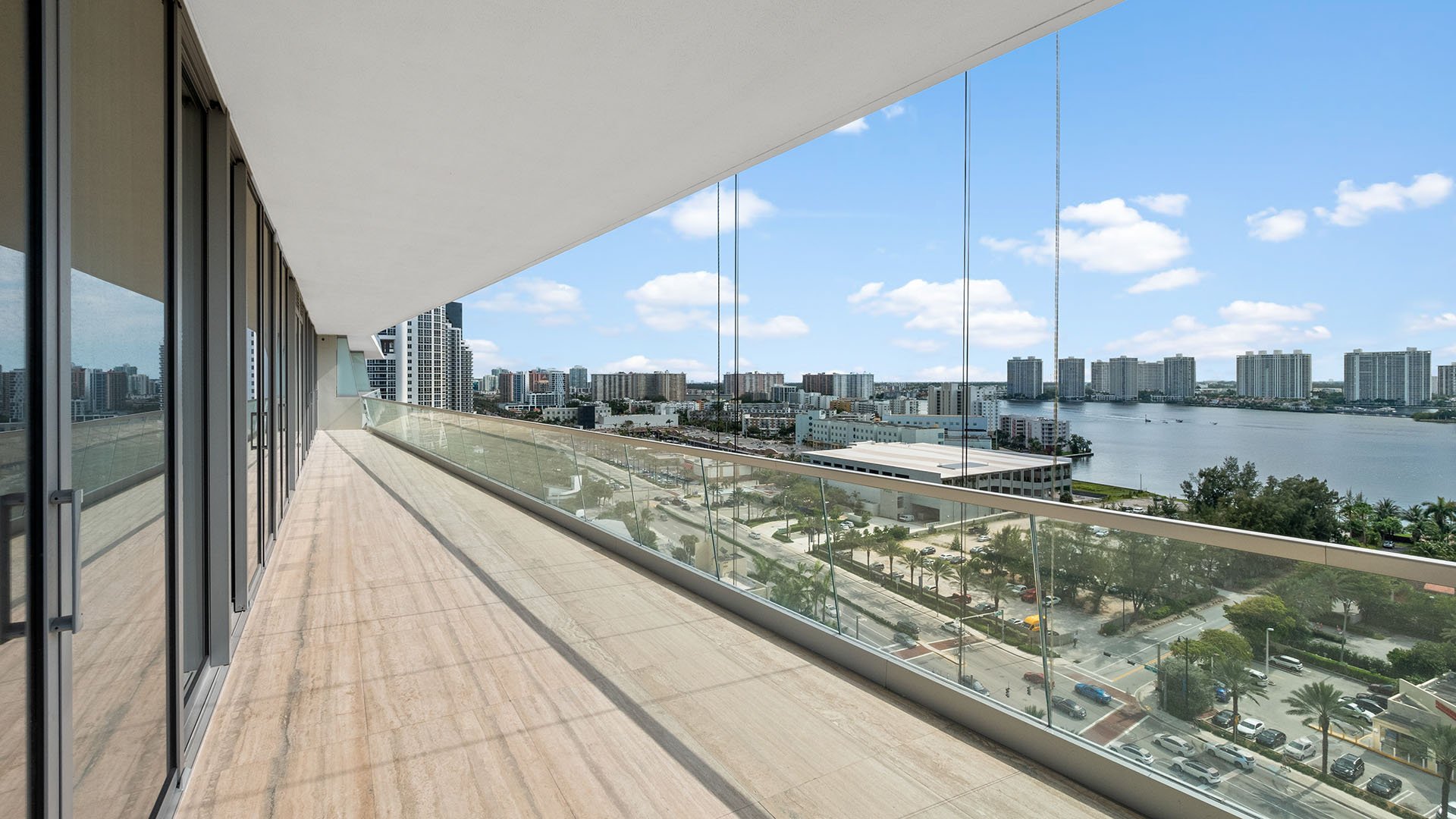
At Turnberry Ocean Club Sunny Isles, the financial review deserves the same attention as the residence itself. The high-rise condominium at 18501 Collins Avenue in Sunny Isles Beach places a buyer within a shared ownership structure. The purchase decision extends beyond the apartment to the association’s capital commitments.
A structural integrity reserve study, or SIRS, is essential to that review. It is not a comprehensive assessment of the association’s financial health. A completed study begins diligence; it does not resolve questions about available cash, future contributions or obligations attached to a particular residence.
The central question is not simply whether a study exists, but whether its recommendations align with the adopted budget, reserve balances, financing arrangements and closing documents. These are matters for buyer diligence, not conclusions that Turnberry Ocean Club has a funding shortfall, borrowing or pending assessments.
Florida Statute 718.112(2)(g) requires a SIRS at least every 10 years for qualifying residential condominium buildings of three or more habitable stories. Through visual inspection, the study evaluates specified components and estimates their remaining useful lives, repair or replacement costs, and reserve-funding needs.
Covered items include roofs, load-bearing structural elements, fire protection, plumbing, electrical systems, waterproofing, windows, doors and other qualifying components. The study addresses a defined capital-planning task, not every expense associated with ownership.
Read the funding schedule and underlying assumptions, not merely the completion date. Which components have the shortest remaining useful lives? When are expenditures anticipated? What projected costs support the contribution schedule? Long remaining useful lives are planning estimates, not permission to set maintenance questions aside.
Structural reserve amounts must be based on the findings and recommendations of the most recent SIRS. Statutory restrictions also limit owner votes to waive or reduce structural reserve funding. Buyers should have counsel confirm the applicable provisions and exceptions rather than treat these reserves as discretionary amenity spending.
Place the study beside the current adopted budget and reserve information. Compare recommended contributions with budgeted contributions, historical payments into reserves and accumulated balances. Ask the association to explain any differences so the funding arrangement is clear before closing.
“Fully funded” should not automatically be read to mean that every component’s eventual replacement cost is held in cash today. A funding schedule addresses when resources are needed and how they are accumulated. Present balances, scheduled future contributions and permitted financing are related, but not interchangeable.
Florida’s 2025 condominium budget reforms permit qualifying associations to use loans, lines of credit and special assessments as reserve-funding sources. Where financing supports a reserve plan, examine interest costs, maturity dates, covenants and owners’ debt-service obligations. Available credit is not accumulated cash, and repayment timing matters to ownership costs.
For a buyer also considering Jade Signature Sunny Isles Beach, the same comparison framework applies: evaluate each association’s documents rather than assume similar locations imply similar capital commitments. Compare funding mechanics without drawing unsupported conclusions about either building’s financial condition.
Coastal salt exposure makes waterproofing and structural maintenance important diligence questions, even when a study assigns long remaining useful lives to major components. Ask how maintenance priorities relate to the reserve schedule and whether identified work has been incorporated into funding decisions.
Milestone structural inspections and SIRS serve different purposes. Inspection findings identify structural conditions; reserve planning addresses funding for covered repair and replacement needs. Obtain the building’s milestone-inspection status and have the relevant timing and requirements confirmed for this property. Neither document substitutes for the other.
Extend the review to common-area and amenity assets. Some funding requirements may fall under different reserve rules, but asset labels alone do not determine coverage. Pools, decks, elevators and amenity spaces can involve structural or life-safety elements that overlap with SIRS requirements. Request a component-level explanation rather than assume an entire asset is excluded.
A SIRS does not comprehensively assess operating deficits, litigation exposure, owner delinquencies or every association liability. Request the financial information needed to evaluate those subjects separately. A capital plan alone cannot establish whether operating income and expenses are aligned.
Read recent board minutes alongside the adopted budget. Look for discussions of repair projects, funding choices, and proposed or adopted special assessments. Distinguish discussion from an authorized obligation, and seek clarification where minutes and financial documents appear inconsistent.
Apply the same discipline when comparing Armani Casa Sunny Isles Beach. A monthly fee alone cannot establish which ownership proposition is more attractive. Consider what the fee supports, how reserves are funded and whether separate commitments affect the buyer’s anticipated outlay. Ground every comparison in the specific association and residence under review.
For unit 3504 at 18501 Collins Avenue, the advertised maintenance/HOA fee was $5,474 per month. That unit-specific figure is not a verified current charge or a building-wide fee schedule. It illustrates why a buyer should obtain current documentation for the actual residence being purchased.
Use the unit’s estoppel certificate to check outstanding assessments and payment obligations. Review the declaration and bylaws to understand expense allocation, then ask closing counsel to reconcile the unit’s obligations with the contract and closing statement.
If an assessment or financing commitment is identified, establish its payment schedule and how responsibility is addressed in the transaction. Do not assume the advertised monthly fee captures every obligation-or that a discussion in board minutes establishes a payable charge.
The closing file should bring together the latest SIRS, adopted budget, reserve information, recent meeting minutes, declaration, bylaws, estoppel certificate and milestone-inspection status. Where borrowing or assessments support the plan, include the relevant terms in the review.
After closing, continue comparing adopted contributions and capital decisions with the study’s schedule. Retain updated budgets and minutes, and seek explanations when assumptions, costs or funding choices change.
The objective is not to demand that a reserve study eliminate every uncertainty. It is to understand which obligations are planned, how they will be financed and what they mean for the residence. That clarity is part of a considered luxury purchase.
For a considered perspective on South Florida luxury ownership, explore MILLION.
If branded residences are on your mind — as a home or as an allocation — we would be glad to share what we are seeing, privately.
Begin a quiet conversationThe high-rise condominium is at 18501 Collins Avenue in Sunny Isles Beach, Florida.
A SIRS evaluates specified building components through visual inspection and estimates remaining useful lives, repair or replacement costs, and reserve-funding needs.
Florida requires a SIRS at least every 10 years for qualifying residential condominium buildings of three or more habitable stories. Building-specific timing and applicable requirements should be confirmed with counsel.
No. It is a component-level capital-planning document, not a comprehensive assessment of operating deficits, litigation exposure, delinquencies or all liabilities.
Not necessarily. Buyers should distinguish the funding schedule from accumulated balances and any permitted financing used to support the plan.
Florida’s 2025 reforms permit qualifying associations to use loans, lines of credit and special assessments as reserve-funding sources. Buyers should examine repayment terms and owners’ debt-service obligations.
No. Milestone inspections identify structural conditions, while a SIRS addresses reserve planning for covered repair and replacement needs.
No. Structural or life-safety elements within pools, decks, elevators and amenity spaces may overlap with SIRS requirements, so coverage should be examined component by component.
No. That figure appeared in a public listing for unit 3504 and is neither a verified current charge nor a building-wide fee schedule.
Obtain the latest SIRS, adopted budget, reserve information, recent meeting minutes, declaration, bylaws, unit estoppel certificate and milestone-inspection status. Review relevant financing or assessment terms if those support the funding plan.