A yacht-owning buyer at Muse Residences should treat the condominium purchase and vessel plan as coordinated due-diligence tracks, with dockage rights, route compatibility, crew access, costs, and timing confirmed before closing.
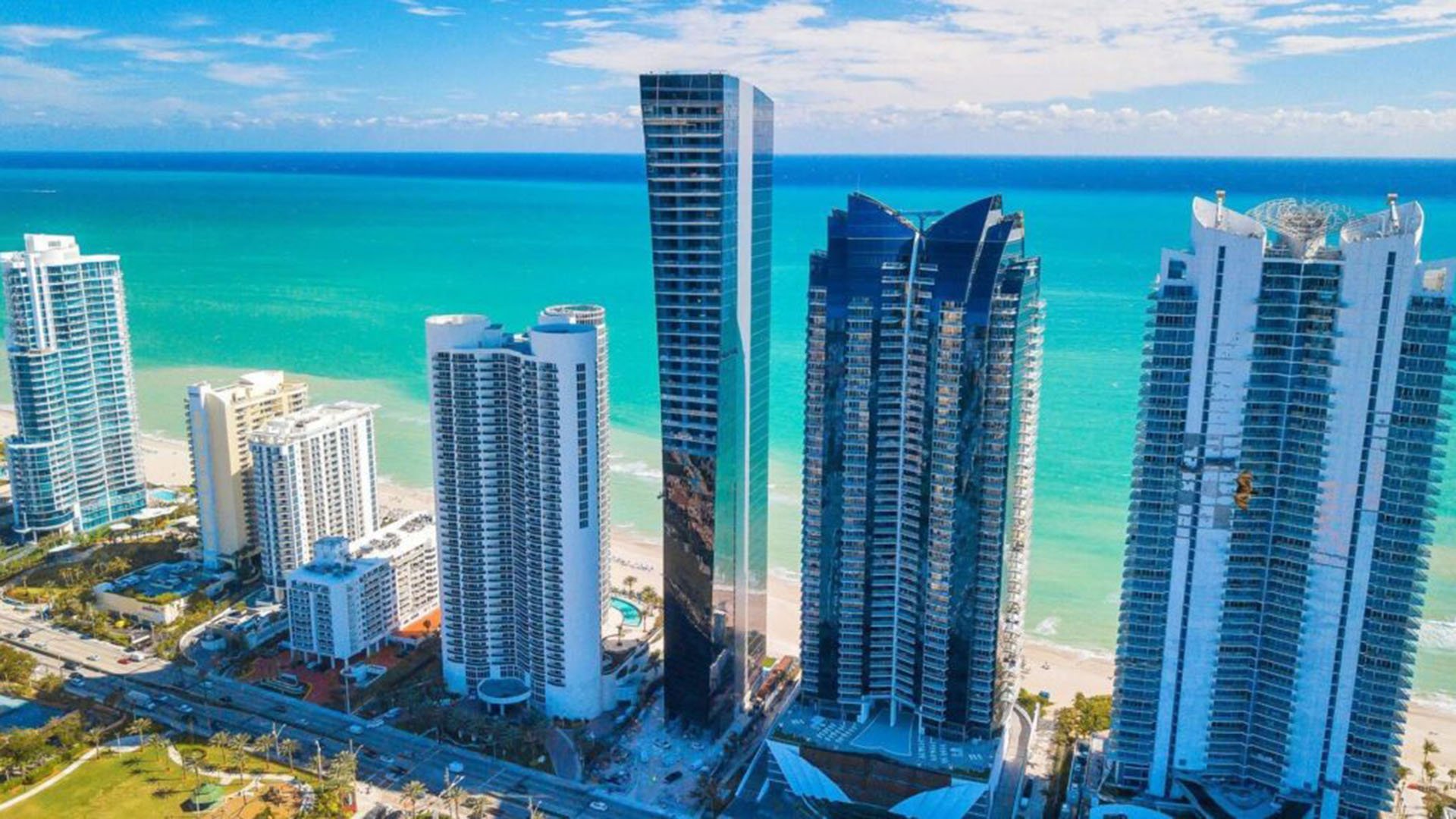
A waterfront condominium purchase and a yacht-dockage arrangement are related, but they are not interchangeable. For a buyer considering Muse Residences Sunny Isles Beach, the closing review should distinguish the rights attached to the residence from the separate facilities, permissions, and contracts required to operate a vessel.
Descriptions of water views, beach access, or a waterfront setting do not by themselves establish a legal right to keep a yacht at a property. Any claimed berth, slip, easement, or transferable dockage interest should be confirmed through the governing and recorded documents that apply to the transaction.
The residence closing and the yacht plan should be treated as coordinated but distinct exercises.
This distinction matters early. If practical vessel access is essential to the purchase, the buyer should define that requirement before contractual deadlines pass and obtain appropriate legal, maritime, insurance, and property guidance.
A yacht owner may need a separate marina or service arrangement. That possibility creates a second timeline involving berth availability, marina approval, insurance documentation, deposits, access credentials, and the intended start date.
The residence review and marina review should proceed together. A buyer should avoid assuming that a nearby berth is suitable based only on map distance or a general size description. The marina agreement, berth dimensions, access rules, utilities, operating restrictions, and cancellation provisions all require transaction-specific review.
Nearby residential alternatives can provide useful comparisons, including Bentley Residences Sunny Isles and The Ritz-Carlton Residences® Sunny Isles. Each property, however, must be evaluated through its own governing documents and operating rules. A feature associated with one project should never be assumed to apply to another.
Bridge clearance must be evaluated against the vessel as it will actually operate. The relevant air draft can include antennas, radar equipment, satellite domes, mastheads, and other components in their normal positions. A brochure specification may not reflect later equipment, loading, or configuration changes.
The route review should identify every fixed and movable bridge between the proposed berth and the intended cruising area. For movable bridges, the captain should also examine opening procedures, operating schedules, possible delays, and whether the planned itinerary remains practical under ordinary conditions.
Clearance should not be treated as a single static number. Tide, water level, vessel loading, and equipment position can affect the calculation. Current official navigation information and a vessel-specific assessment should guide the decision rather than estimates or informal assurances.
A slip can appear suitable while the approach remains restrictive. Draft analysis should therefore cover the marina basin, fairways, turning areas, side channels, and every passage between the berth and open water.
The working profile should include the yacht’s length overall, beam, loaded draft, and operating air draft. The captain should compare those dimensions with the berth and the complete route under representative operating conditions. Any tender arrangement should be reviewed separately because its storage, launch, landing, and access requirements may differ from those of the primary vessel.
A broader South Florida search can also change the routing analysis. Onda Bay Harbor offers a different location for comparison, but geographic proximity to the water should not be confused with verified navigability for a particular yacht.
Building services do not automatically create recurring access rights for a captain or crew. Before closing, a buyer should request written rules covering guest registration, service entry, parking, deliveries, equipment handling, loading areas, elevator reservations, contractors, and access hours.
The review should reflect actual operating routines. If crew members will collect provisions, move luggage, receive vendors, supervise maintenance, or travel repeatedly between the residence and an off-site marina, each recurring step should have a workable and permitted process.
Verbal assurances are insufficient when access is important to ownership. Written association guidance can also help the buyer identify which activities require advance notice, separate credentials, management approval, or use of designated service areas.
The condominium budget and vessel budget should be modeled separately. The residence analysis may include association charges, assessments, insurance obligations, reserves, taxes, parking, storage, and unit-specific expenses. Current transaction documents should control that review.
The yacht plan may involve berth rent, marina deposits, utilities, insurance, fuel, parking, maintenance access, tender arrangements, crew transportation, and service costs. Separating these categories makes it easier to identify which obligations arise from condominium ownership and which depend on the external dockage arrangement.
The buyer should also examine timing risk. If marina approval or berth availability is unresolved when the residence closes, temporary dockage or other interim arrangements may be necessary. Those contingencies should be considered before either commitment becomes difficult to change.
A complete review should bring together the condominium documents, written building rules, evidence supporting any claimed dockage right, the marina agreement, insurance requirements, and a captain-approved route assessment. The file should also record the vessel dimensions used for the analysis so that everyone is evaluating the same operating profile.
Closing coordination is ultimately about fit. The legal rights connected to the residence, the external berth, bridge passages, water depth, crew routines, and start dates should work as one ownership plan without relying on assumptions.
For discreet guidance on Muse and other South Florida residences, connect with MILLION.
If branded residences are on your mind — as a home or as an allocation — we would be glad to share what we are seeing, privately.
Begin a quiet conversationA waterfront purchase does not by itself establish a berth or slip right. Any claimed dockage interest should be verified in the documents governing the transaction.
A berth may involve a different contract, approval process, insurance requirement, and start date. Reviewing both tracks together helps expose timing or compatibility issues before closing.
Use the yacht’s actual length overall, beam, loaded draft, and operating air draft. The assessment should reflect the vessel’s normal equipment and operating configuration.
Operating air draft determines whether the yacht can pass beneath bridges along the intended route. Antennas and other equipment in their normal positions should be included.
Yes. A captain should review current bridge procedures and determine whether the route works with the owner’s expected cruising schedule.
The approach may include basins, channels, turning areas, and other passages with different conditions. The entire route must be suitable for the vessel.
No. Crew parking, service entry, deliveries, elevator use, and equipment handling should be confirmed in written building rules.
Review berth dimensions, access rules, utilities, insurance, deposits, operating restrictions, timing, and cancellation terms. The agreement should also match the intended vessel and ownership schedule.
Keep condominium obligations separate from berth, vessel, tender, maintenance, and crew costs. This distinction helps clarify the full ownership plan.
Include relevant condominium documents, written access rules, any evidence of dockage rights, marina paperwork, insurance requirements, and a captain-approved route assessment.