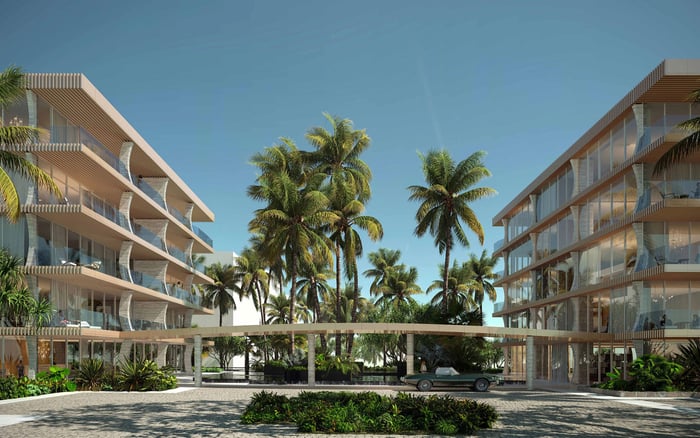
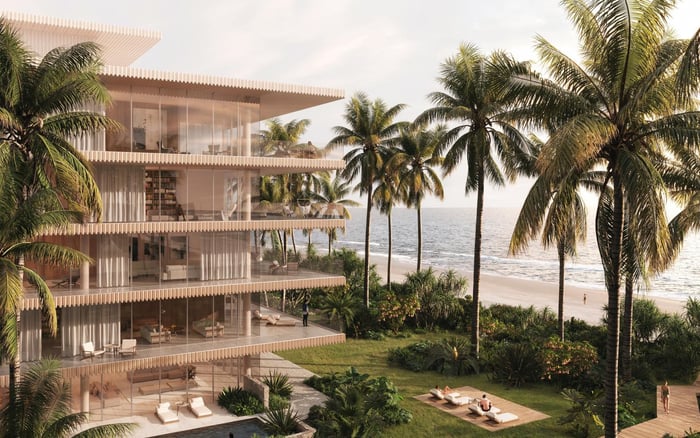
Mr. C Tigertail pairs condominium ownership with a hospitality-led service model. For closing buyers, the central questions concern which furnishings and equipment are association responsibilities, how reserves are funded, and whether any interior standards could prompt future refurbishment costs.
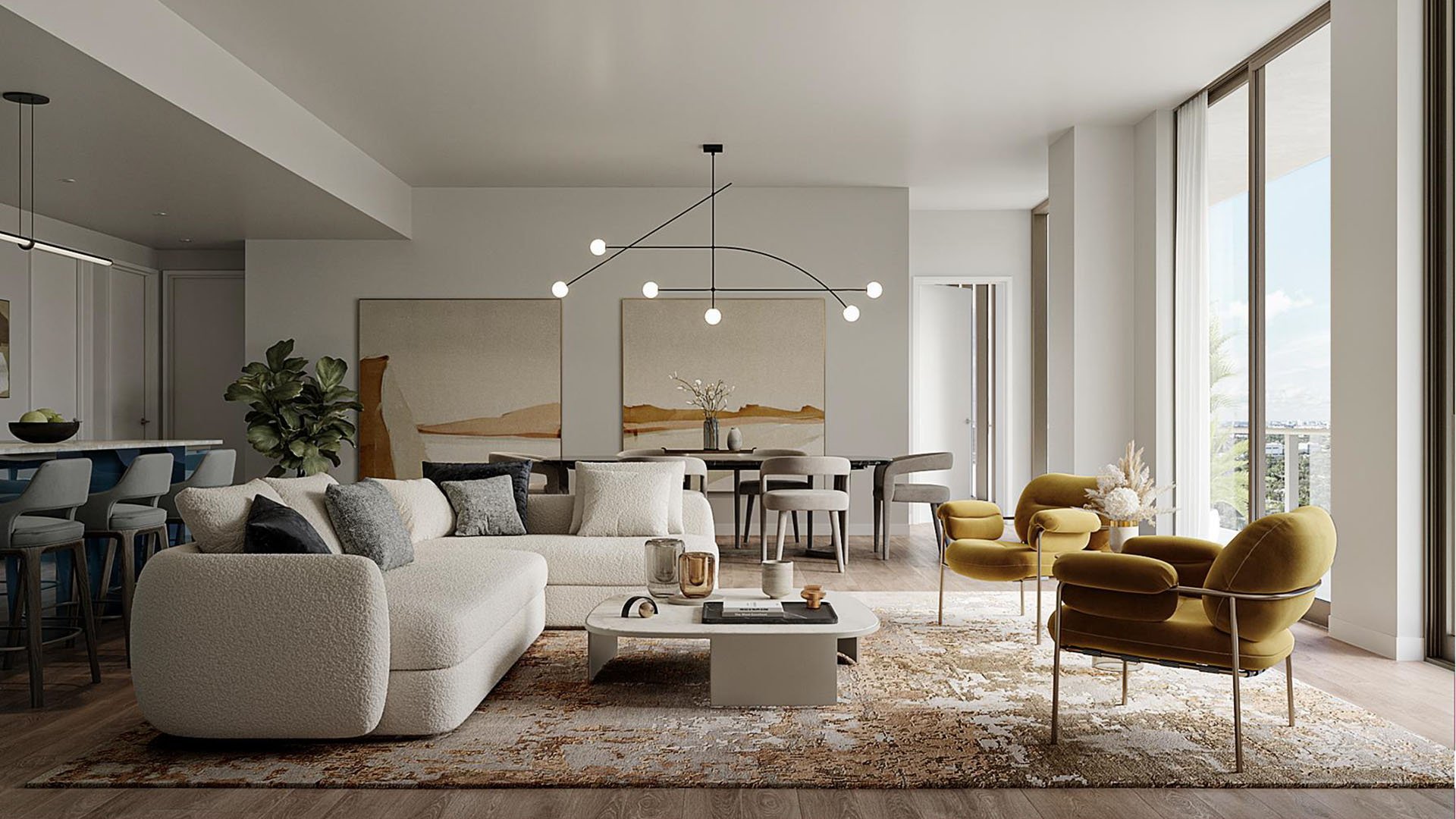
At Mr. C Tigertail Coconut Grove, the atmosphere reflects the Mr. C hospitality identity, yet the legal structure presented to buyers is that of a luxury condominium. That distinction matters. The two waterfront towers, Bayshore and Tigertail, are not described as a conventional condo-hotel with pooled guest-room inventory.
Tigertail stands at 2678 Tigertail Avenue, with 134 residences across 21 floors. Developed by Terra in partnership with Maggio Cipriani’s Mr. C brand, it received its certificate of occupancy and entered its closing phase in 2024 as part of a completed development with an anticipated sellout above $500 million.
For an owner, the practical issue is not whether the residence feels hotel-like, but which documents govern the cost of sustaining that experience. The essential distinction is between brand promise and binding financial obligation.
FF&E generally refers to furniture, fixtures and equipment. In a hospitality-oriented condominium, the category may include movable furnishings, decorative lighting, operational equipment and other items serving common spaces. It should not be conflated with statutory or structural reserve components, nor assumed to cover furnishings inside a private residence.
No property-specific FF&E contribution, funding formula or replacement schedule has been publicly disclosed for Tigertail. Buyers should therefore avoid importing assumptions from hotels or other Branded Residences. The controlling answer lies in the current association budget, reserve study, declaration, maintenance provisions and any applicable management or branding agreement.
Reserves were funded from inception under Florida’s post-Surfside framework, but that broad point does not establish the balance, annual contribution or eligible uses of a separate FF&E account. These figures should be verified directly for the unit and association at closing.
Luxury hospitality properties often refresh interiors to preserve a consistent presentation, but no mandatory hotel-style refurbishment interval has been disclosed for Tigertail’s private residences or common-area interiors. There is no verified basis for assuming a five-, seven- or ten-year cycle.
An owner should instead determine whether the declaration or related agreements establish aesthetic standards, approval procedures or maintenance duties. Depending on the governing documents and circumstances, a common-area refresh might be funded through an adequately funded reserve, an operating surplus or a special assessment. Work inside a residence may fall to the owner unless a binding provision allocates responsibility differently.
The same distinction applies when comparing the Grove’s luxury market, from Park Grove Coconut Grove to Four Seasons Residences Coconut Grove. Brand, service and architecture may frame the experience, but each property’s documents define its actual cost structure.
The two-tower development was planned with an above-grade parking structure connecting the buildings. That physical relationship makes cost allocation especially important. Buyers should determine whether parking, amenities, staffing, security, back-of-house functions and building systems are maintained by one association, multiple entities or a shared-facilities arrangement.
Allocation formulas can matter as much as the total budget. A buyer should identify whether expenses are divided by unit, ownership percentage, usage or another method, and whether either tower can approve work that creates obligations for the other. Board minutes and pending-assessment disclosures may reveal projects or discussions that a polished closing statement does not fully contextualize.
The question extends beyond Coconut Grove. A purchaser considering future branded ownership at Mr. C Residences West Palm Beach should examine that property’s structure rather than presume that a shared name produces identical reserve or refurbishment terms.
A disciplined review should begin with the current-year budget and most recent reserve study. Counsel and financial advisers can then reconcile those documents with the declaration, bylaws, rules, shared-facilities agreement, management or branding agreement, recent board minutes and pending-assessment disclosures.
Request the exact line items supporting the advertised monthly carrying cost. Separate recurring operations from reserve contributions, and determine whether any FF&E funding sits within the general budget or in a dedicated account. Confirm which components the association treats as owner responsibilities, particularly finishes, appliances, terrace elements and systems within the residence.
For a New-construction closing, the owner should also understand association control, initial budgets and the timing of future studies or capital planning. The Mr. C name identifies the hospitality brand, while Terra is the developer; neither fact alone determines association control or an owner’s payment obligations. A Move-In Ready presentation should not shorten the document review.
For an Investment or second-home purchase, reserve planning affects both annual liquidity and resale positioning. Underfunding can defer visible costs while increasing assessment risk. Robust funding may raise current carrying costs but provide a clearer path to maintaining common spaces, service infrastructure and the visual coherence associated with a luxury address.
The more rigorous approach is to model multiple outcomes. Buyers can test the published assessment, a possible rise in operating costs and a future capital contribution without assuming that any specific assessment will occur. The objective is not to predict a refurbishment date, but to understand who can authorize the work, how it would be funded and what the owner could be required to pay.
Is Mr. C Tigertail a conventional condo-hotel? No. It is presented as one of two waterfront condominium towers rather than a conventional condo-hotel with guest-room inventory.
How many residences are in Tigertail Tower? Tigertail contains 134 residences across 21 floors.
Is there a published FF&E reserve contribution? No property-specific contribution or funding formula has been publicly disclosed. Buyers should verify the current budget and reserve study.
Does Tigertail require a fixed hotel-style refurbishment cycle? No mandatory interval has been disclosed for private residences or common-area interiors.
Are FF&E reserves the same as structural reserves? Not necessarily. Buyers should identify each account, its permitted uses and the components assigned to it.
Could an interior refresh lead to a special assessment? It could, depending on available funds, governing documents and board authority, but no specific future assessment should be presumed.
Why does the connection between the towers matter? The planned connecting parking structure and potentially shared functions make expense allocation an important diligence point.
Which documents should a closing buyer request? Request the budget, reserve study, declaration, rules, shared-facilities and management agreements, board minutes and assessment disclosures.
Does the hospitality brand determine an owner’s obligations? No. The governing documents and applicable agreements establish legal and financial responsibilities.
What is the most useful question to ask before closing? Ask which party maintains each major component, which account funds its replacement and how any shortfall would be allocated.
For a discreet conversation and a curated building-by-building shortlist, connect with MILLION.
If branded residences are on your mind — as a home or as an allocation — we would be glad to share what we are seeing, privately.
Begin a quiet conversation