A practical closing framework for evaluating storm access, emergency power, staffing, communications, and owner obligations at Bay Harbor Towers.
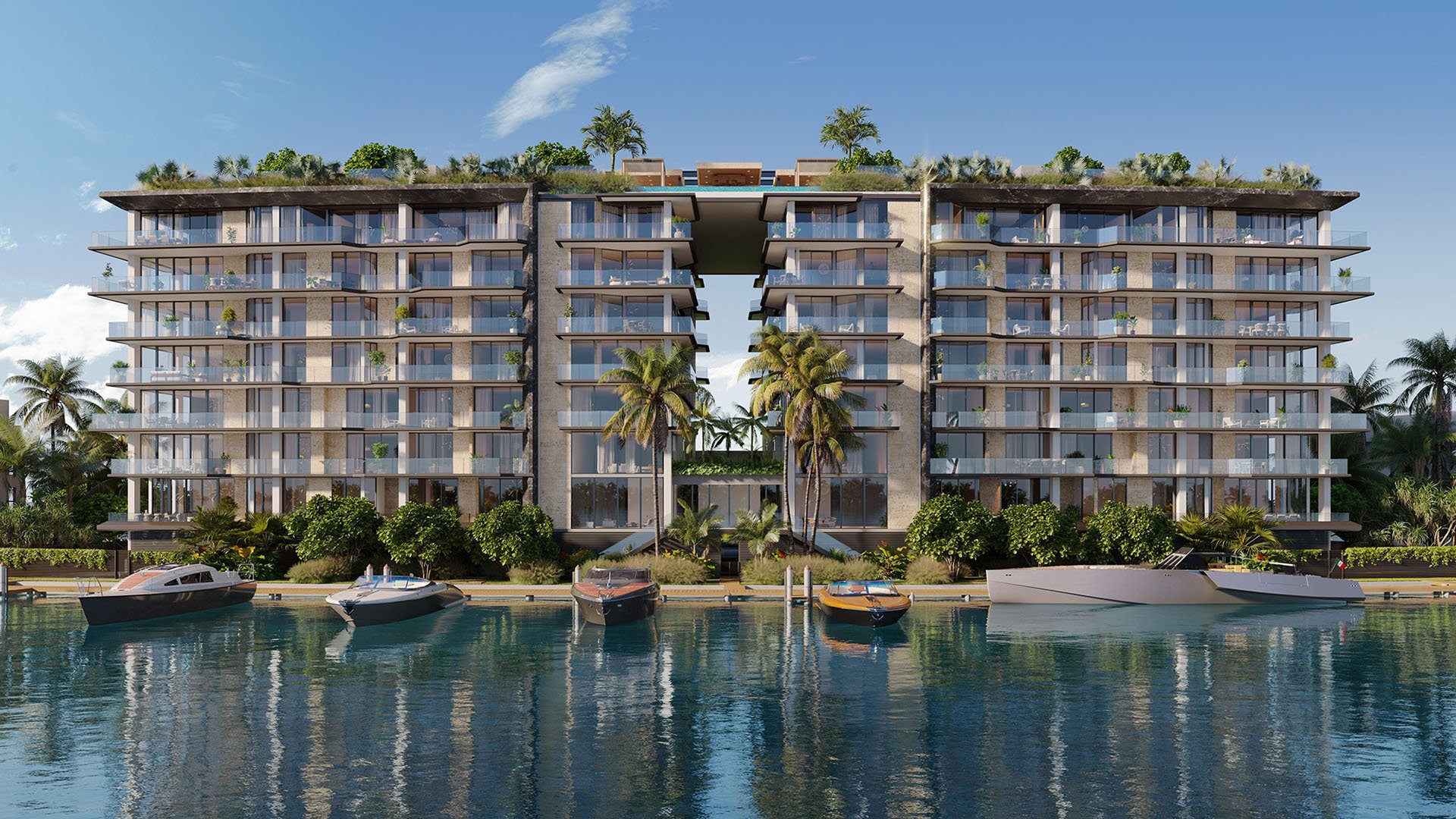
Storm readiness should be reviewed as a coordinated plan covering access, emergency power, staffing, communications, and owner responsibilities. Buyers considering Bay Harbor Towers should request the relevant documents and confirm the operating details in writing before closing.
The objective is to distinguish documented procedures from assumptions. A careful review should identify who controls access, which systems receive emergency power, who communicates with residents, and which preparations remain the owner’s responsibility.
Ask how owners, household members, domestic staff, drivers, and authorized representatives would be identified during a post-storm return. The closing file should clarify whether identification, proof of residence, association registration, vehicle credentials, or an access list may be required.
Buyers should also ask how building access will be coordinated if roads, utilities, elevators, or common areas are unavailable. The written process should identify who can assess the property, authorize entry, and notify residents when access resumes.
The same review can inform comparisons with Alana Bay Harbor Islands and Onda Bay Harbor. Each property should be evaluated through its own governing and operating documents rather than through assumptions about the surrounding area.
A generator review should begin with the connected-load schedule. Request written confirmation of the systems assigned to emergency power, including any life-safety equipment, access controls, common-area lighting, water pumps, garage functions, or elevators.
Ask whether emergency power extends into residences or remains limited to designated building systems. The review should also address rated capacity, fuel type, anticipated runtime under the documented load, testing procedures, maintenance responsibility, fuel reserves, and refueling arrangements.
Elevator coverage requires a separate explanation. Buyers should confirm both the power connection and the operating protocol, including who determines when elevator service can resume.
This diligence is also relevant when comparing The Well Bay Harbor Islands. Design and resident services should be considered separately from documented emergency-power coverage.
The closing package should identify storm-related roles rather than rely on a general statement about management presence. Ask who prepares common areas, secures building equipment, coordinates vendors, assesses conditions, authorizes emergency work, and communicates with residents.
Confirm whether managers, security personnel, engineers, and key contractors are expected to be on site, on call, or available only after access is restored. The plan should also explain how decisions and updates will be handled if normal communications are interrupted.
Owner duties should be documented as well. Buyers should review any requirements concerning balconies, furnishings, valuables, perishables, residence access, evacuation, and contact information.
A storm-readiness file may include the building’s emergency plan, re-entry procedures, generator specifications, connected-load schedule, fuel and testing protocols, staffing plan, vendor contacts, resident communication process, and owner obligations.
Counsel should compare these materials with the declaration, bylaws, rules, purchase agreement, and association disclosures. Any inconsistency or unanswered question should be resolved in writing before closing.
Owners can also prepare a personal continuity file with current identification, residence documents, contact information, and authorization for a local representative. This individual planning should complement, not replace, the building’s documented procedures.
Does ownership guarantee immediate re-entry after a storm? No. Buyers should review the applicable access and safety procedures rather than assume a deed or building credential ensures immediate entry.
Which re-entry credentials should a buyer ask about? Ask whether identification, proof of residence, association registration, vehicle credentials, or placement on an access list may be required.
How should Bay Harbor Towers’ generator coverage be verified? Request the connected-load schedule and written operating documents as part of closing diligence.
Does a generator connection guarantee elevator service? Buyers should separately confirm both the elevator’s power connection and the protocol governing when it may operate.
Which emergency loads should be documented? Ask about life-safety equipment, access controls, water pumps, garage functions, common-area lighting, elevators, and any in-residence coverage.
Which generator records should a buyer request? Request capacity, fuel type, expected runtime under the documented load, testing procedures, maintenance responsibility, and refueling arrangements.
What should the staffing plan identify? It should define preparation duties, assessment roles, vendor coordination, decision authority, and resident communications.
How should resident updates be addressed? The written plan should identify communication channels, responsible personnel, and backup methods if normal service is interrupted.
Which owner responsibilities should be confirmed? Review requirements involving balconies, furnishings, valuables, perishables, evacuation, residence access, and current contact information.
Which documents should counsel compare before closing? Compare the emergency materials with the declaration, bylaws, rules, purchase agreement, and association disclosures.
For a confidential assessment and a building-by-building shortlist, connect with MILLION.
If branded residences are on your mind — as a home or as an allocation — we would be glad to share what we are seeing, privately.
Begin a quiet conversation