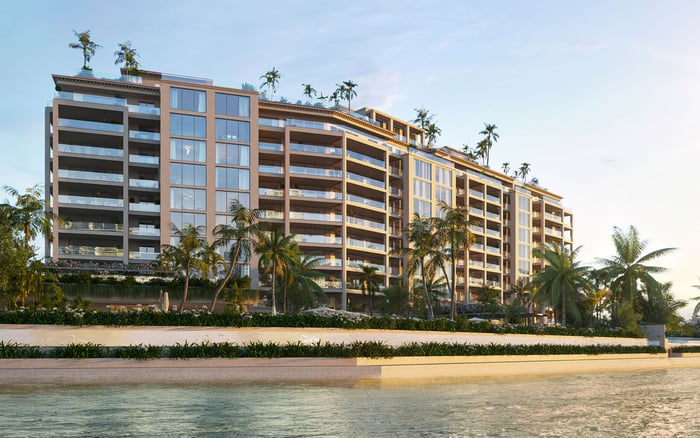
A due-diligence framework for art collectors evaluating Palazzo del Sol, focused on display planning, light, climate, delivery access, storage, alterations and insurance.
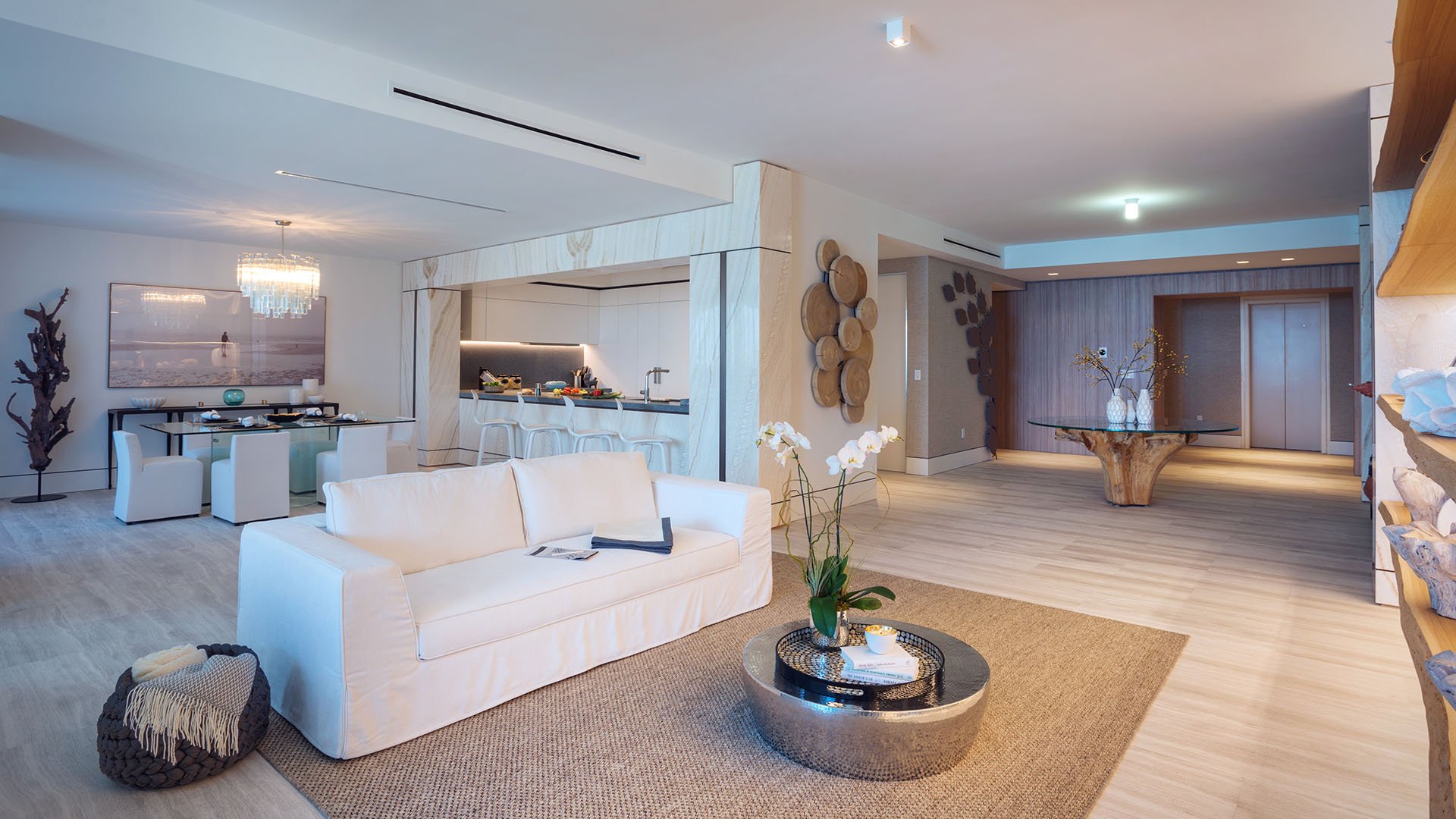
An art collector evaluating Palazzo del Sol should begin with the collection rather than relying on total square footage or presentation materials. Create an inventory organized by dimensions, medium, weight, sensitivity and intended placement, then compare it with the specific residence under consideration.
Request a measured floor plan and identify uninterrupted walls, ceiling conditions, circulation paths, furniture zones and viewing distances. A residence can feel spacious while offering limited display surfaces once doors, windows, millwork and daily movement are considered.
The review should also account for future acquisitions. Buyers expecting larger paintings, sculpture or installation art may need more flexibility than a collection centered on smaller works.
Natural light can enhance a residence while creating conservation concerns for photography, works on paper, textiles and light-sensitive pigments. Ask for the specifications of the installed glazing and shading systems, and have a qualified adviser assess exposure in the particular unit.
Review how direct and reflected light changes throughout the day. Confirm whether supplemental shades, approved films or other protective measures are permitted before assuming they can be installed.
Artificial lighting deserves the same scrutiny. A lighting specialist can evaluate color rendering, beam control, heat, glare and the feasibility of adapting the system for individual works. Any proposed electrical or ceiling modifications should be checked against applicable approval procedures.
Private residential access does not by itself establish that a large crate or sculpture can reach the intended room. Obtain measurements for every stage of the route, including arrival areas, doors, corridors, elevators and turning points. An experienced art handler can test those dimensions against anticipated crates and rigging needs.
Ask management which access points handlers may use and what scheduling, supervision, protective coverings and insurance documentation may be required. Buyers should also determine whether temporary staging is available and how weather-related disruptions would affect a planned installation.
For comparison, collectors may review Palazzo della Luna, The Residences at Six Fisher Island and The Links Estates at Fisher Island. The relevant comparison is how each candidate residence addresses access, display surfaces, environmental management and installation permissions.
Collectors should request written information about the residence's HVAC controls, expected operating conditions and any backup-power coverage relevant to the collection. Do not assume that a building generator supports in-residence cooling, dehumidification, security or specialized storage equipment.
A conservator can recommend monitoring appropriate to the media in the collection. Temperature and humidity readings gathered over time may be more useful than a single inspection, especially when evaluating rooms with substantial glazing or frequent access to outdoor areas.
If storage is available, confirm its legal status, dimensions, access rules, security and environmental performance. A cooled space should not be treated as conservation-grade storage without supporting measurements and professional review.
Heavy sculpture, reinforced walls, specialty lighting, display cases and security equipment can introduce structural or approval questions. Before making an offer dependent on a particular installation plan, obtain the relevant rules and determine which professionals must review the work.
Ask whether contractors and art handlers must satisfy insurance requirements or observe designated work hours. Clarify how alarms, cameras, sensors and other collection-security measures may integrate with existing systems without affecting common property or neighboring residences.
Outdoor art requires additional analysis. A structural engineer, conservator and insurer can assess anchoring, load, wind, moisture, salt exposure and maintenance needs, while management can clarify whether the proposed placement is permitted.
Share the candidate floor plan, delivery plan, environmental information and proposed installations with the collection insurer. Confirm whether coverage depends on alarms, leak detection, climate monitoring, professional handling or other safeguards.
The insurer should also review temporary risks during transport, staging and installation. Responsibility can shift among the owner, shipper, handler, contractor and building, so certificates and contractual terms should be examined before work begins.
Collectors considering a mainland alternative may also compare The Perigon Miami Beach. The purpose is not to identify a universally preferable project, but to understand how access and operating conditions differ among South Florida residences.
A disciplined review brings the buyer, broker, attorney, building management, conservator, art handler, engineer and insurer into the process before closing. Each adviser should evaluate the same floor plan and installation assumptions.
Written answers matter. Where the purchase depends on a delivery route, alteration, storage arrangement or environmental capability, the buyer's advisers should determine how that requirement can be investigated and addressed during due diligence.
What should an art collector examine first at Palazzo del Sol? Start with a measured plan and compare usable walls, circulation, viewing distances and installation points with the collection inventory.
Is total square footage a reliable measure of display capacity? No. Doors, glazing, millwork, furniture and circulation can materially reduce the surfaces available for art.
How should a buyer evaluate natural light? Request glazing and shading specifications, then have a qualified adviser study direct and reflected exposure in the specific residence.
What measurements are needed for art delivery? Measure each arrival area, doorway, corridor, elevator and turn along the route, then compare those dimensions with expected crates and equipment.
Can a buyer assume backup power protects the collection? No. Confirm in writing which systems receive backup power and whether in-residence climate, security or monitoring equipment is included.
How should available storage be assessed? Verify its status, dimensions, access, security and measured environmental conditions rather than relying on a general description.
May a collector reinforce walls or modify lighting? Such work may be subject to building procedures and professional review, so obtain the applicable rules before relying on an installation plan.
What should be checked before placing sculpture outdoors? Review permission, structural capacity, anchoring, wind, moisture, salt exposure, maintenance and insurance with qualified advisers.
When should the collection insurer become involved? Involve the insurer before closing so the residence, delivery plan, safeguards and proposed installations can be reviewed together.
Who should participate in collection-focused due diligence? The team may include the buyer's broker, attorney, building management, conservator, art handler, engineer and insurer.
For a tailored shortlist and next-step guidance, connect with MILLION.
If branded residences are on your mind — as a home or as an allocation — we would be glad to share what we are seeing, privately.
Begin a quiet conversation