A disciplined Dallas-to-Miami relocation starts with the purchase agreement. Understand deposit exposure, request meaningful construction updates, and protect your household from the gap between estimated delivery and an actual move-in.
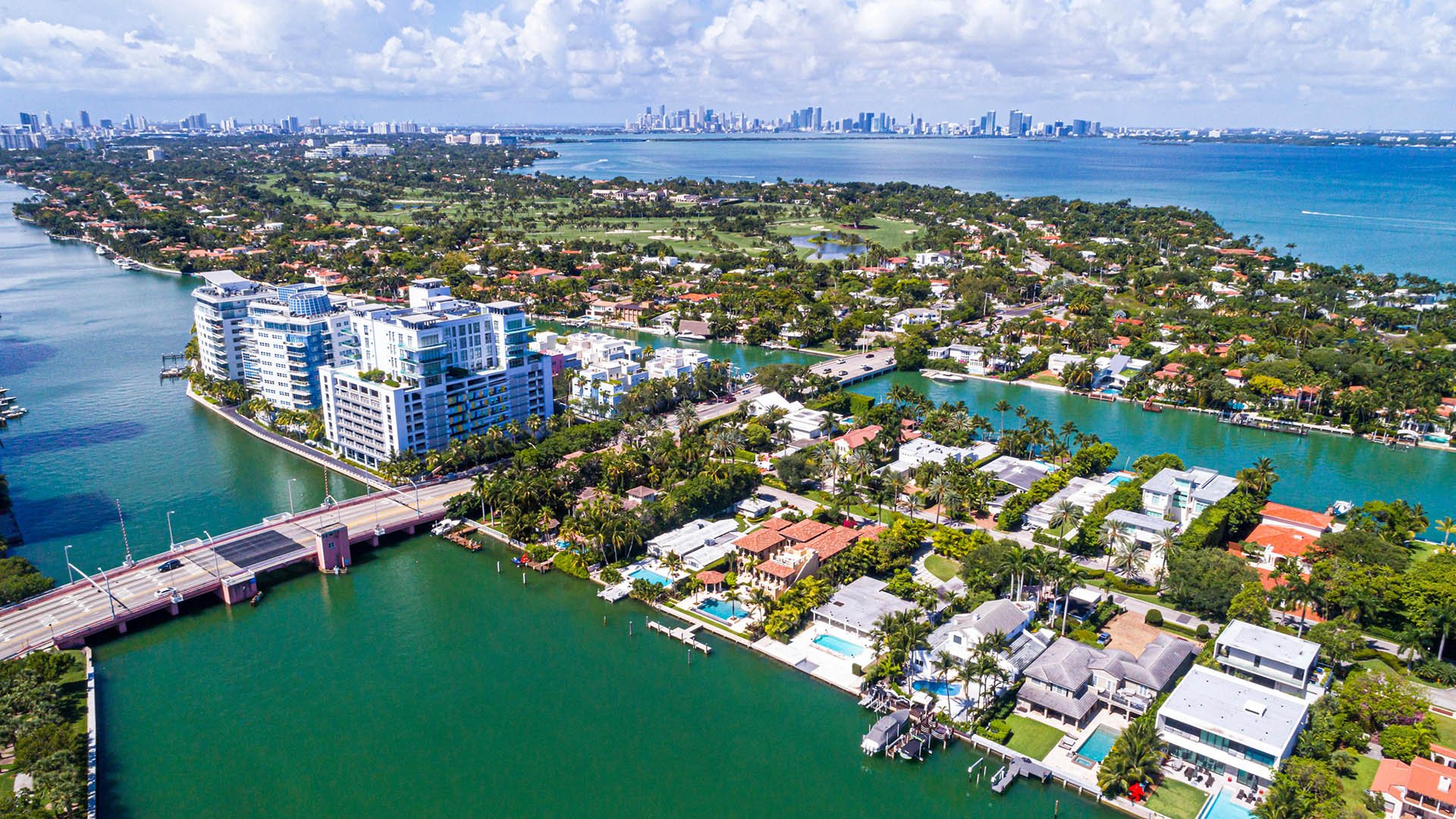
Choosing Miami after Dallas can begin with architecture, water views, and the rhythm of a new neighborhood. The practical decision, however, rests on three calendars: when money leaves your account, when construction reaches meaningful milestones, and when your household can actually move. Those calendars should inform one another, but they are not interchangeable.
A detached-home builder agreement and a Miami condominium developer agreement are different products, not merely contracts from different states. Familiarity with one does not establish the protections of the other. An estimated delivery date is a planning reference, not a guaranteed move-in date.
For a Brickell search that includes The Residences at 1428 Brickell, place the governing documents beside the floor plan. Before committing, identify the deposit triggers, permitted changes, closing conditions, and delay provisions. Apply that discipline to every residence under consideration; do not assume neighboring projects share terms.
Florida condominium escrow rules generally require payments up to 10% of the purchase price to remain in escrow, subject to statutory release provisions and exceptions. Payments exceeding 10% received before construction completion generally must enter a special escrow account. That does not mean all those funds remain unavailable to the developer.
When the purchase contract permits, deposits above 10% may be withdrawn for qualifying construction costs after construction begins. A purchaser considering a 30%-50% deposit commitment therefore needs two separate answers: how much must be paid, and how much the developer may use during construction.
Ask counsel to distinguish applicable statutory protections from specific contractual permissions. The purchase agreement governs the payment schedule and project-specific terms within the legal framework. A sales explanation is no substitute for that review.
Build a deposit ledger with four fields for each installment: amount, triggering event, payment deadline, and permitted treatment of the funds. Add the notice that establishes the trigger and identify who will monitor it. This turns a headline deposit percentage into a usable liquidity plan.
Consider a hypothetical payment schedule for a South Florida purchase: 10% at signing, 10% at groundbreaking, 10% at a structural milestone, and 70% at closing. It is a planning example, not a universal requirement or a statement of any project's terms. Verify the actual signing deadline and organize funds before execution.
Do not assume a milestone installment will fall at a convenient point in your Dallas sale. Ask exactly how groundbreaking or the structural milestone is defined, what notice accompanies the payment demand, and how much time the contract allows to respond. Record those answers alongside the dates for any planned asset transfers.
If your Miami Beach shortlist includes The Perigon Miami Beach, use the same comparison template without assigning this illustrative schedule to that project. Compare the actual obligations in each agreement, not generic descriptions of Miami deposit practices.
Keep the relocation reserve separate from the deposit reserve. A household should be able to assess a construction payment without discovering that temporary accommodation or storage has exhausted its available cushion.
Construction photographs provide context, but a relocation requires a written account of what has changed and what remains outstanding. Request an update format covering permits, physical progress, inspections, occupancy approvals, and the revised closing estimate. Treat these as requested protections, not automatic contractual rights.
Ask for a consistent cadence and a named contact. Each update should distinguish completed milestones from anticipated ones and explain any change to the prior estimate. Where the agreement defines substantial completion, ask counsel what that definition means for closing and occupancy. Do not rely on the ordinary meaning of finished.
For a Coconut Grove comparison involving Four Seasons Residences Coconut Grove, request the same information to guide your decisions. Branding should not replace a clear understanding of the agreement, and a progress update should not be mistaken for an amendment to its deadlines.
After each material update, revisit the next deposit, financing dates, and household commitments. The purpose is not to predict construction perfectly. It is to avoid irreversible decisions based on an estimate that has already changed.
Bring questions from your previous buying experience into the Miami contract review, not assumptions about the answers. Ask counsel to identify the contractual outside date, permitted extensions, notice requirements, and any termination or deposit-refund remedy. Clarify how the agreement treats weather or supply disruptions and whether it permits developer modifications that matter to your purchase.
The review should distinguish a missed estimate from a missed enforceable deadline. It should also explain what action the buyer must take to preserve any available remedy. Do not budget on the assumption that a delay automatically produces compensation, cancellation rights, or an immediate refund.
In Surfside, a buyer considering Ocean House Surfside should ask these same questions of the applicable documents. This is a contract-review framework, not a statement about that project's delivery timing or terms.
Prepare a base relocation plan and a delayed-closing version before fixing the Dallas departure. Price the practical alternatives rather than treating flexibility as an abstract preference.
Housing: Explore lease-extension terms and temporary accommodation, including the conditions for changing dates.
Belongings: Ask movers and storage providers about rescheduling, access, and holding arrangements before committing.
School schedules: Identify which household dates are fixed and which can move independently of the purchase.
Furnishings: Coordinate delivery flexibility with the designer and vendors rather than relying solely on estimated completion.
The Dallas sale: Consider the consequences if sale proceeds arrive before or after a Miami deposit becomes due.
Financing: Track approval, commitment, and rate-lock expiration dates where applicable, and discuss delay scenarios with the lender.
These are planning measures, not promises that a seller, landlord, lender, or vendor will accommodate a change. Obtain the relevant terms in writing and assign someone to monitor each deadline.
The objective is a residence chosen for the life it enables, supported by a transition that can absorb uncertainty. Keep the legal, funding, and household calendars aligned while allowing room for each to shift independently.
For a considered approach to your South Florida residential search, connect with MILLION.
If branded residences are on your mind — as a home or as an allocation — we would be glad to share what we are seeing, privately.
Begin a quiet conversationNo. Payments up to 10% generally remain in escrow subject to statutory provisions and exceptions, while amounts above 10% may be available for qualifying construction costs when the contract permits.
A hypothetical example is 10% at signing, 10% at groundbreaking, 10% at a structural milestone, and 70% at closing. This is not a project's quoted schedule; the actual purchase agreement determines the obligations.
Verify the deadline before signing and arrange access to the required funds. Use the agreement's payment terms rather than assuming a standard payment window.
Separate the total amount payable from the amount retained in escrow and the amount the developer may use during construction. Ask counsel to explain the applicable statutory and contractual terms.
No. A detached-home builder agreement and a condominium developer agreement differ in product and contract structure, so geography alone does not explain their protections.
Request written updates covering permits, physical progress, inspections, occupancy approvals, and the revised closing estimate. These updates are requested protections, not necessarily automatic rights.
No. Review the agreement's closing conditions, outside date, and permitted extensions before treating an estimate as a household deadline.
Do not assume it does. Counsel should identify any termination or deposit-refund remedy, its triggering conditions, and the notices required to preserve it.
Plan for lease flexibility, temporary housing, storage, school schedules, furnishing deliveries, and the Dallas home sale. Coordinate these with deposit obligations rather than a single estimated completion date.
Track approval, commitment, and rate-lock expiration dates where applicable. Discuss potential delays with the lender before those dates become urgent.