A buyer-focused comparison of Miami Beach and Palm Beach, with practical questions about flood exposure, backup power, evacuation planning, and the management of a home left vacant for extended periods.
Choosing between Miami Beach and Palm Beach is often framed as a question of atmosphere. For a buyer who travels frequently, the more consequential distinction is operational: what happens to the residence when a storm approaches, power fails, or the owner is thousands of miles away?
Neither market can be declared categorically safer on the available facts. Address-level elevation, flood exposure, construction, evacuation obligations, and management arrangements deserve more weight than a prestigious address. A beautiful residence and a well-documented storm plan should be evaluated separately, then considered together.
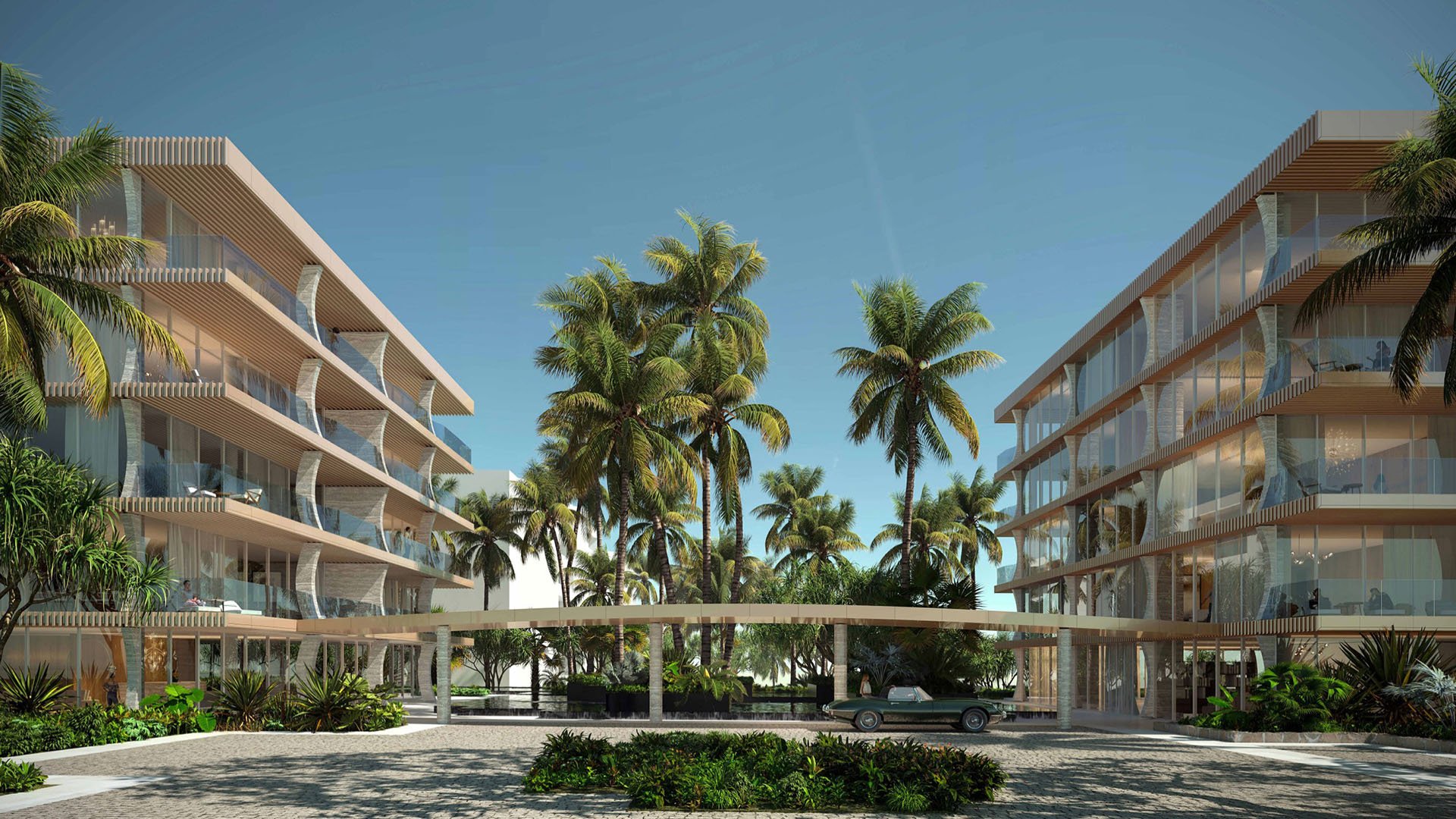
For a buyer considering The Perigon Miami Beach, the questions should focus on the property’s protective systems and operating procedures. A project name alone does not establish emergency-power coverage, flood resilience, or permission to remain during an evacuation.
All of Miami Beach lies within a storm-surge evacuation zone. A major storm may trigger mandatory evacuation for all occupants. There are no hurricane shelters within the city, making a prearranged off-island destination essential to ownership planning.
Before purchasing, ask where owners, guests, and household staff would go, who would arrange transportation, and when the property manager would complete preparations and leave. A residence should not depend on its owner arriving at the last moment to make those decisions.
The Town of Palm Beach is in County Evacuation Zone B, and official evacuation orders must be followed. That designation should not be applied indiscriminately to Palm Beach County, which encompasses multiple evacuation zones. Verify the specific address through the official evacuation-zone lookup or map.
Coastal and barrier-island locations are exposed to seawater surge. Backup power, substantial construction, or an elevated living area does not override an evacuation order. Guidance to use a small interior room on the lowest floor applies only when remaining home is permitted.
In Miami Beach, properties are identified as being within Special Flood Hazard Areas. Buyers should check the individual property’s flood zone and elevation and obtain an Elevation Certificate to evaluate risk. Certificates have been collected for new construction and substantial improvements since 1995; ask whether the relevant document is available for the residence under consideration.
The investigation should extend beyond the living room. Where are important appliances and building equipment located? What documentation establishes their protection? A higher-floor apartment should not end the inquiry into the systems serving the building.
For an estate purchase, ask an engineer or architect to assess proposed flood-protection work. Recognized measures include elevating important appliances, using water-resistant flooring such as tile rather than wood, and raising driveway edges to redirect water. Suitability remains property-specific, and work must comply with the Florida Building Code and local resilience requirements.
On the Palm Beach side, confirm which jurisdiction holds the relevant records. County flood-zone, coastal-erosion, repeated-flooding, and Elevation Certificate information for unincorporated areas does not automatically cover parcels within the town.
When evaluating Palm Beach Residences, establish the parcel’s jurisdiction and applicable records rather than relying on a regional label. The same discipline applies if the search expands to Alba West Palm Beach: West Palm Beach is not the Town of Palm Beach, and the town’s Zone B designation should not be assumed to apply.
“Backup power” is not a complete answer. Ask whether a proposed or installed system serves individual residences, selected circuits, common areas, or some combination. Request documentation of capacity, expected runtime under specified loads, maintenance, testing, and arrangements for fuel or recharging.
For condominium buyers, make the questions concrete: would elevators, access controls, communications, refrigeration, or in-residence cooling operate? Which functions would remain unavailable? These are due-diligence questions, not assurances about any particular building or statements of municipal requirements.
At The Ritz-Carlton Residences® Miami Beach, as at any residence under consideration, request building-specific answers rather than inferring coverage from branding or service expectations.
Portable generators require a separate safety discussion. Never operate one indoors; keep it at least 20 feet from the structure and allow it to cool before refueling. This guidance does not establish permitting, placement, runtime, or condominium approval requirements for permanent generators or battery systems. Ask the relevant professionals and association to confirm those matters before committing to an installation.
Long absences make responsibility more important than proximity. A management agreement should identify who can enter the residence, authorize preparation, communicate with guests, and complete required tasks before evacuation. Ask for a written scope rather than a general promise to “handle storms.”
Storm preparation includes securing or removing outdoor furniture, umbrellas, plants, garbage cans, and balcony items, boarding windows and glass doors, and shutting off utilities when directed by authorities. Ask how the property’s opening protection will be handled and who coordinates any building-level procedures.
For a condominium, clarify the boundary between association work and owner responsibilities. For a house, ask who prepares exterior areas and openings. In either setting, establish who acts if the primary manager is unavailable and what authorization is needed to proceed.
Broader absentee-management arrangements belong in the contract: will someone document preparation, check the residence after access is permitted, communicate damage, and coordinate repairs? What spending authority and access permissions will they have? These recommendations are not a comprehensive municipal checklist.
A renovation candidate deserves particular scrutiny. Miami Beach’s flood-related 50% rule can require raising the lowest floor when damage or improvements exceed 50% of the building’s value. Ask qualified advisers how that rule affects the intended work before treating the purchase price and renovation allowance as a complete budget.
Recovery requires more than restored electricity. Occupants must leave a Miami Beach home deemed uninhabitable by the Building Official until proper repairs are completed; emergency permits may be available for storm-related repairs.
The stronger purchase is the residence whose exposure, systems, and management responsibilities can be clearly explained and documented. Choose the setting you prefer, but make the final decision at the property level.
For a discreet conversation about your coastal property search, connect with MILLION.
If branded residences are on your mind — as a home or as an allocation — we would be glad to share what we are seeing, privately.
Begin a quiet conversationNeither market can be declared categorically safer from the available facts. Compare address-level elevation, flood exposure, construction, and evacuation requirements.
Yes. A major storm may trigger mandatory evacuation for all occupants.
There are no hurricane shelters within Miami Beach. Owners and guests should plan an off-island destination in advance.
The Town of Palm Beach is in County Evacuation Zone B. Do not apply that designation to all of Palm Beach County; verify the specific address.
No. Backup power does not override an official evacuation order.
Ask which residences, circuits, and common-area systems it serves. Request documentation of capacity, expected runtime under specified loads, maintenance, and testing.
Never operate a portable generator indoors, and keep it at least 20 feet from the structure. Allow it to cool before refueling.
An Elevation Certificate helps evaluate the property's flood risk. Review it alongside the property's flood zone and other relevant building records.
The written scope should cover outdoor-item preparation, opening protection, and utility shutoffs when directed by authorities. Clarify which tasks belong to the owner, manager, or condominium association.
Damage or improvements exceeding 50% of the building's value can trigger a requirement to raise the lowest floor. Ask qualified advisers how the rule affects the intended work before committing to a renovation budget.