Brickell offers an urban base for Miami’s wider cultural circuit, while Coconut Grove brings arts heritage and waterfront-village living. For collectors, the decisive distinction in freight access belongs to the individual residence, not the neighborhood label.
For an art collector, choosing between Brickell and Coconut Grove is more than a preference for skyline or canopy. It is a decision about how culture enters everyday life: through a citywide calendar of exhibitions and performances, or through a neighborhood with an enduring artistic identity. The residence must then answer a separate, less photogenic question: can it accommodate the collection’s arrival, installation, and ongoing care?
Brickell offers a financial-district setting of luxury towers, restaurants, rooftop bars, and urban activity. Coconut Grove offers canopy-covered streets, galleries, cafés, and a waterfront-village atmosphere. Neither setting establishes superior art handling, storage, or freight access. Cultural proximity and collection logistics require separate evaluations.
The most useful buying brief has two parts: the life you want outside the front door, and the conditions your art requires behind it. Keeping those priorities distinct sharpens the comparison.
Brickell’s appeal is metropolitan rather than self-contained. Museum Park, Pérez Art Museum Miami, Frost Science, and the Adrienne Arsht Center belong on a prospective resident’s cultural itinerary, but should not be treated as universally walkable neighborhood amenities. Evaluate each journey from the actual residence, at the hours you expect to travel.
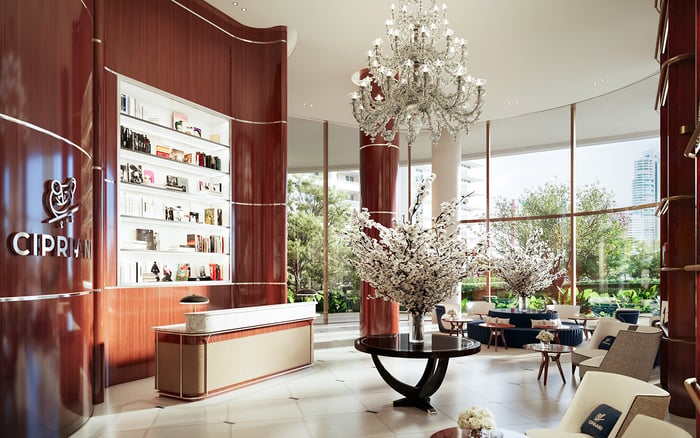
For a buyer considering Cipriani Residences Brickell, that distinction matters: the project’s cultural appeal includes proximity to the Arsht Center, while the practical experience depends on the outing. A matinee, an exhibition visit, and an evening performance each test convenience differently.
Brickell City Centre and Mary Brickell Village concentrate shopping and dining near residential towers, giving buyers options for entertaining around cultural events. After business hours, restaurants, rooftop bars, and nightlife become a more prominent part of the neighborhood’s character.
For collectors engaged with Miami’s galleries and Art Basel-related activity, Brickell is best understood as a base for the wider circuit-not proof that an entire collecting ecosystem sits downstairs.
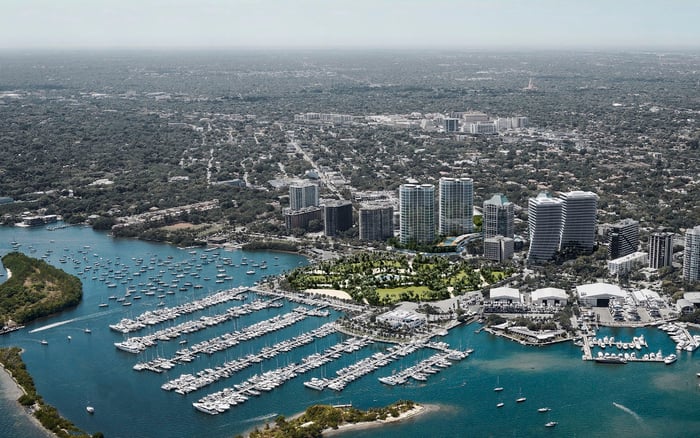
Coconut Grove’s distinction lies in the relationship between cultural history and daily surroundings. Miami’s oldest neighborhood combines a laid-back waterfront setting with galleries, local shops, cafés, and bistros. Its cultural appeal extends beyond a single annual event.
West Coconut Grove was the birthplace of the Miami Black Arts Workshop, a Black artistic collective central to the neighborhood’s cultural history. That heritage deserves to be understood on its own terms, not reduced to a decorative description of village life.
The Coconut Grove Arts Festival has showcased artists for more than 50 years, predating Art Basel’s Miami arrival in 2002. This history and the recurring festival offer a different context for cultural engagement than Brickell’s metropolitan itinerary.
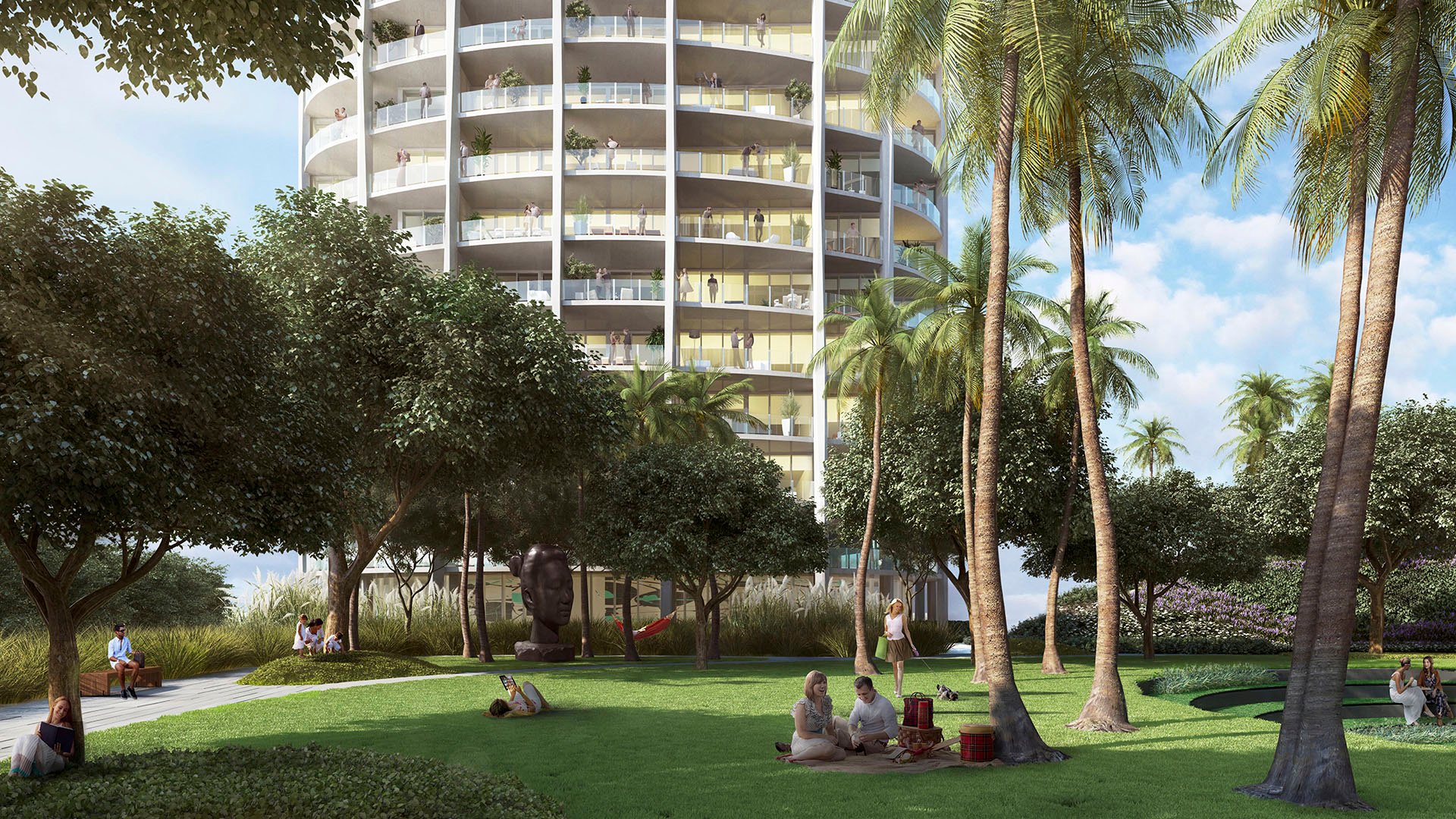
When evaluating Park Grove Coconut Grove, consider the surrounding neighborhood as one part of the buying decision, then assess the residence independently. The Grove’s artistic identity does not establish a particular building’s exhibition program or suitability for a private collection.
Waterfront parks and sailboat marinas add a boating-oriented dimension to life here. They are lifestyle assets, not evidence of commercial cargo or fine-art shipping capability.
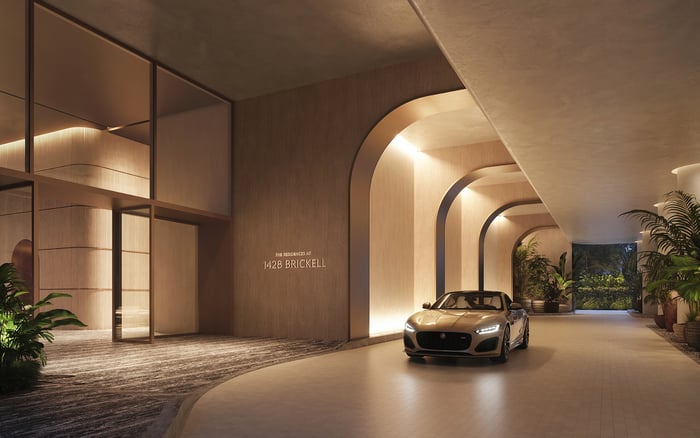
A development can offer an aesthetically rich residential experience without providing the infrastructure a collector needs. Curated surroundings, gathering spaces, and concierge service serve different purposes from specialist handling or controlled storage.
At 888 Brickell by Dolce & Gabbana, planned amenities include a resident lounge, theater, and creative workspaces. These belong in a discussion of entertaining and residential experience, not as assurances about art receiving, environmental controls, or specialist installation.
Brickell Flatiron’s advertised valet, concierge, business center, and conference rooms likewise describe service and convenience, not collection safeguards. Ask who would receive a shipment and which written procedures would govern it.
Apply the same discipline when considering Four Seasons Residences Coconut Grove. A brand or neighborhood identity should prompt questions, not substitute for answers about handling arrangements. Confirm which services and spaces are available at the time of purchase, and distinguish planned offerings from operating amenities.
Neither neighborhood merits an automatic advantage for fine-art freight. A waterfront address does not establish cargo capability, and a tower address does not establish suitable loading access. Compare the actual journey proposed by your specialist handler rather than relying on neighborhood reputation.
Begin with the collection’s requirements. Ask the handler to work from the dimensions and weights of the crated pieces, not just the visible artwork. Then request a building walkthrough along the intended delivery path, from vehicle arrival to the final installation position.
The practical questions are specific:
Where may a delivery vehicle stop, and what approvals or reservations are required?
What are the relevant loading-area, doorway, corridor, and elevator clearances?
What weight limits and delivery-hour restrictions must the handler observe?
Is there an approved receiving area, and who takes responsibility at each handoff?
What insurance documentation and installation permissions does management require?
Obtain written answers and property-specific handling proposals before treating logistics as resolved. Do not assume lower freight costs, shorter port journeys, or access to specialist facilities in either neighborhood. Each is an address-specific matter to establish separately.
Once the delivery route is understood, evaluate how the collection will live in the home. Ask your installer or conservator to review intended wall positions, daylight exposure, lighting plans, mounting requirements, and environmental needs. These are due-diligence questions, not features to presume from a luxury designation.
For a collection that rotates, ask where packing materials and works awaiting installation could be accommodated, if permitted. For larger pieces, test the full interior route rather than stopping at the service elevator.
Be equally specific about privacy and security. Review the building’s documented arrangements with the appropriate advisers; neither Brickell nor Coconut Grove should be treated as inherently superior on those grounds. The particular unit, management practices, and collection requirements matter more than a neighborhood-wide promise.
Favor Brickell if your preferred rhythm combines tower living, dining, evening activity, and excursions across Miami’s cultural circuit. Favor Coconut Grove if arts heritage, neighborhood galleries, café life, and a leafy waterfront setting are more central to your everyday experience.
Before deciding, rehearse an ordinary cultural outing from each shortlisted address. Separately, have the proposed delivery route reviewed for your collection. One exercise tests lifestyle; the other tests operational fit. A compelling purchase should satisfy both without asking an amenity brochure to answer a logistics question.
For a discreet conversation about aligning your South Florida residence with your cultural life and collection requirements, connect with MILLION.
If branded residences are on your mind — as a home or as an allocation — we would be glad to share what we are seeing, privately.
Begin a quiet conversationBrickell suits buyers seeking an urban base for Miami’s wider cultural circuit, while Coconut Grove offers arts heritage and neighborhood-scale cultural life. Collection logistics must be evaluated at the individual property.
No blanket walking-distance assumption is appropriate. Test the route from each shortlisted address to the cultural destinations you expect to visit.
Its identity includes galleries, the long-running Coconut Grove Arts Festival, and the history of the Miami Black Arts Workshop in West Coconut Grove.
The festival has showcased artists for more than 50 years, predating Art Basel’s Miami arrival in 2002.
Neither should be treated as having an automatic advantage. Obtain address-specific handling proposals and review the building’s delivery arrangements.
No. Recreational boating access is distinct from commercial cargo infrastructure and specialist fine-art shipping capability.
No. Confirm receiving procedures, responsibility for shipments, handling permissions, and any relevant environmental requirements separately.
Have the specialist handler review the full route using crated dimensions and weights. Confirm clearances, weight limits, delivery windows, approvals, and insurance requirements.
The planned lounge, theater, and creative workspaces describe residential experience, not specialist collection protection. Art handling and storage arrangements require separate confirmation.
Ask an installer or conservator to assess wall positions, daylight, lighting, mounting requirements, and environmental needs. Review these alongside the delivery route and building rules.