
A direct developer purchase and a preconstruction assignment can lead to the same residence, but the contractual path deserves separate scrutiny. Compare inherited obligations, backup-power specifications, evacuation arrangements and unattended-unit responsibilities before committing.
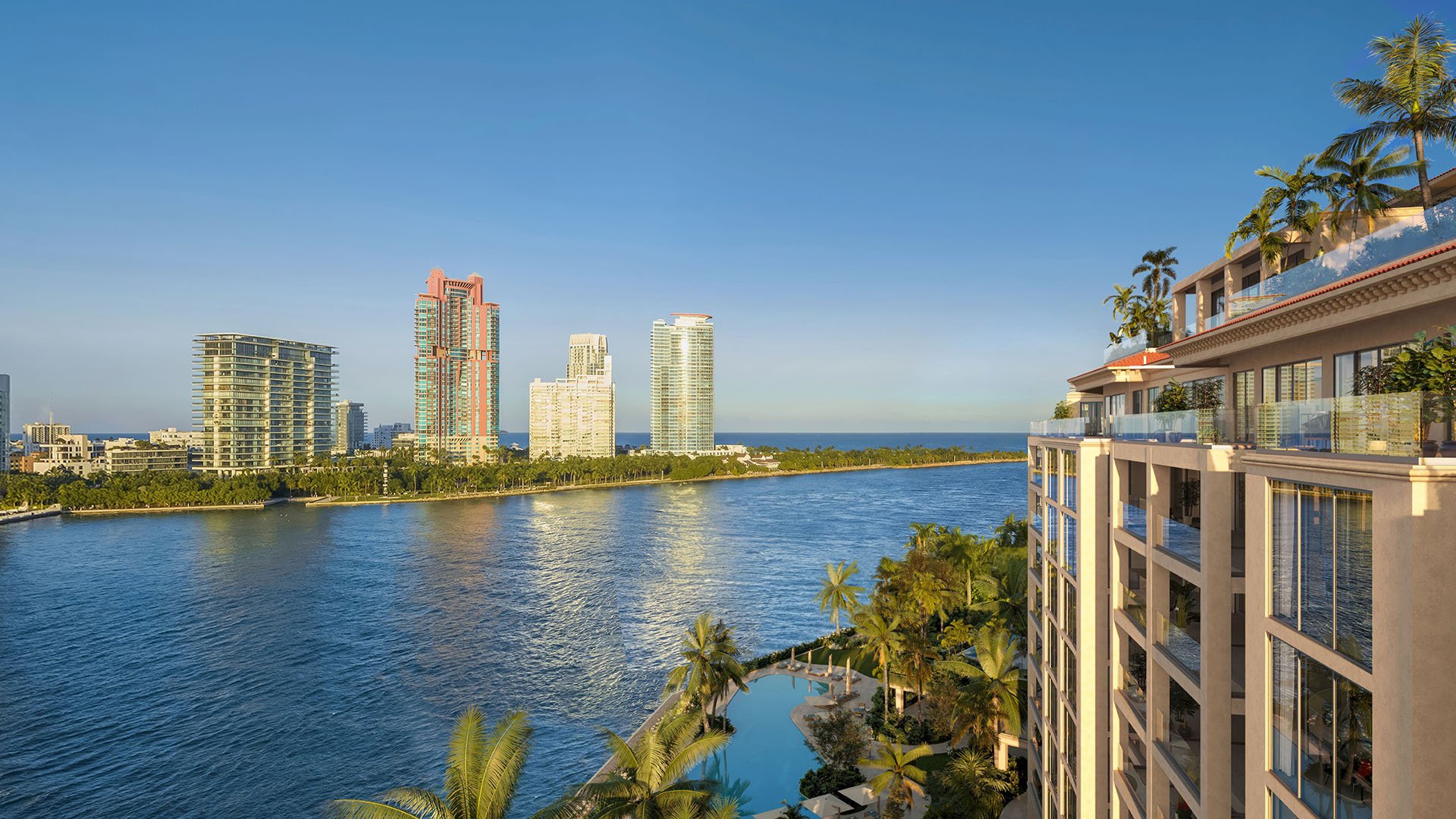
For a South Florida residence, confidence should extend beyond the arrival court and the view. It should rest on a precise understanding of what operates during an outage, how residents leave in an emergency and who can enter an unattended apartment when necessary. These questions matter whether the purchase is directly from a developer or through an assignment of an existing preconstruction contract.
The purchase route does not change the building’s emergency-power requirements. It changes the contractual position from which a buyer reviews commitments, accepts obligations and seeks clarification. Neither route, on its own, establishes superior storm resilience.
A buyer considering The Residences at 1428 Brickell should therefore separate residence selection from transaction review. The comparison is not simply direct versus assigned. It is what each available contract provides and what the building documentation supports.
A direct purchaser enters a developer contract. An assignment buyer generally takes over an existing purchase contract, making inherited obligations and permitted changes central to the decision. Do not assume an assignment offers a fresh opportunity to negotiate the developer’s terms.
For a direct purchase, request the declaration, bylaws, estimated operating budget and complete contract package. Have Florida counsel confirm applicable cancellation rights, triggers, deadlines and disclosure-delivery requirements for the transaction. Do not assume that assignments categorically eliminate or preserve cancellation rights.
For an assignment, obtain the original executed contract, amendments, assignment agreement and any required developer approval. Check whether prior written consent is required and whether fees or restrictions apply. Establish the permitted transfer procedure and total transaction cost before committing.
For either route, prioritize five subjects: assignment rights, deposit escrow versus release, completion dates and delay remedies, square-footage variance, and finish substitutions. A direct buyer can request written technical commitments, but acceptance is not assured. An assignment buyer should identify which commitments already exist and whether additions are permitted.
“Backup power” is not a complete specification. Request the supported-load schedule identifying the equipment and circuits served, along with the intended runtime and operating assumptions. Code compliance alone does not establish whole-unit electricity, air-conditioning coverage, unrestricted elevator operation or multiday autonomy.
Ask the project’s qualified technical team to distinguish emergency and standby systems, identify the applicable transfer-time requirements and provide equipment-listing documentation. Treat these as specific points to verify, not assurances of uninterrupted residential comfort.
Request the actual fuel-capacity specification and the loads used to calculate runtime. A minimum requirement should not be treated as a promise that a residence can function normally through a prolonged outage.
For a Sunny Isles Beach search that includes Bentley Residences Sunny Isles, ask the same questions without presuming the answers: which residential services remain available, under what operating limits, and for how long? Keep written technical responses distinct from general descriptions of backup capability.
A generator’s presence is only the beginning of a resilience review. Its elevation and protective enclosure warrant separate scrutiny. Ask the project team to identify the approved flood-design elevation, explain how the installation complies with local requirements and document the enclosure’s wind-driven-debris performance.
Weatherproofing and debris resistance are not interchangeable. Nor should a municipal generator-elevation guideline be treated as a universal standard for every South Florida tower. The relevant benchmarks are the building’s approved design and applicable jurisdictional requirements.
Keep equipment questions separate from hurricane-delay exposure. Outside completion dates, force-majeure provisions and delay remedies determine the contractual consequences of construction disruption. Review those clauses in either purchase route, including amendments affecting the schedule. A building’s resilience specifications do not resolve a buyer’s contractual exposure to delayed delivery.
Emergency planning requires two distinct reviews. The first concerns the building’s approved means of egress, accessible evacuation arrangements and any areas of refuge. The second concerns local hurricane evacuation instructions and the owner’s practical departure plan.
If the approved egress plan includes a refuge area, request documentation of its capacity and intended role. Accessible means of egress also warrant project-specific review, rather than assumptions based on another tower.
For a Miami Beach residence such as The Perigon Miami Beach, request the approved arrangements and discuss any household mobility needs. This is a diligence question, not a statement about the project’s evacuation design.
Fire-egress provisions do not establish hurricane evacuation zones, shelter availability or permission to remain during an evacuation order. Confirm current local instructions separately. Backup electricity is not a substitute for a departure plan.
Second-home ownership calls for an explicit unattended-unit arrangement. Review the governing documents with counsel to establish whether periodic inspections are required and who is responsible for arranging them. Do not assume the association provides home-watch services.
For buyers considering Mr. C Residences West Palm Beach, the same long-absence review applies: establish what the documents require rather than infer home-watch coverage from a service-oriented presentation.
Ask who inspects, what the inspection covers, how access is authorized and who receives notice of a problem. Clarify responsibility for damage originating in an unattended unit. If a separate service is needed, request written terms defining its scope and limitations. Emergency access and routine inspections are distinct arrangements; neither should be assumed from the other.
The strongest decision combines three reviews: legal obligations, technical specifications and ongoing management responsibilities. Compare the direct contract and any proposed assignment on those terms-not on the assumption that one route delivers a safer building.
Before committing, ask counsel to resolve consent and cancellation questions, request qualified review of consequential technical claims and define long-absence responsibilities in writing. A compelling residence should come with a clear understanding of what is promised, what remains conditional and what the owner must arrange.
For a considered approach to South Florida residential ownership, explore MILLION.
If branded residences are on your mind — as a home or as an allocation — we would be glad to share what we are seeing, privately.
Begin a quiet conversationNo. The purchase route does not change the building’s emergency-power requirements; compare contractual protections, technical documentation and management arrangements.
An assignment buyer generally takes over an existing purchase contract and its obligations. Review the executed contract, amendments, assignment terms and any required developer consent.
Check the specific contract to determine whether prior written consent is required. Confirm approval procedures, fees and transfer restrictions before committing.
Do not assume an assignment creates or removes cancellation rights. Have Florida counsel confirm the applicable rights, triggers, deadlines and disclosure requirements.
No. Code compliance alone does not establish whole-unit power, air conditioning or unrestricted elevator service; request the supported-load schedule.
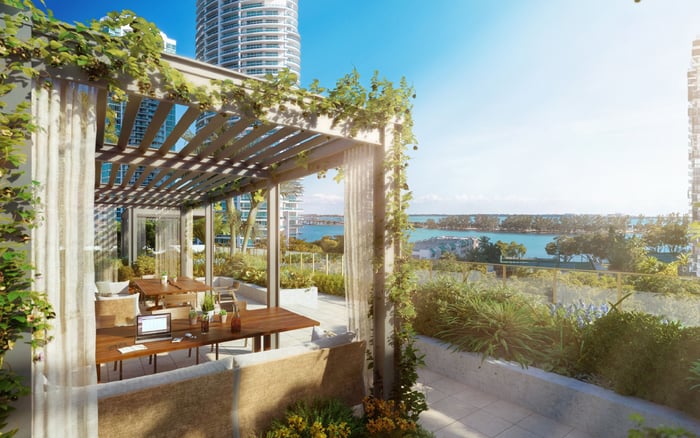

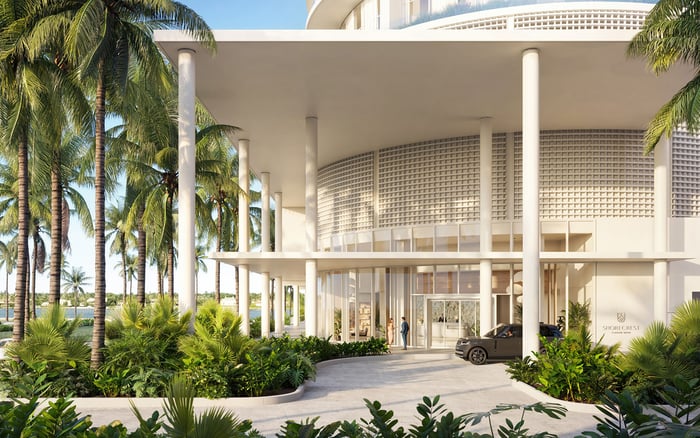
Ask the project’s qualified technical team to confirm the applicable transfer-time requirements and documented system performance. Do not infer uninterrupted service from a general backup-power description.
No. Request the building’s actual fuel-capacity specification, intended runtime and the loads used in its calculation.
Request equipment-listing documentation, approved flood-elevation details and enclosure debris-resistance documentation. Weatherproofing alone does not establish debris resistance.
No. Fire-egress arrangements do not establish hurricane evacuation zones, shelter availability or permission to remain during an evacuation order.
Do not assume the association provides routine inspections; have counsel review the governing documents and applicable obligations. Confirm inspection scope, emergency access and damage responsibilities in writing.