For buyers planning a long tenure in a South Florida condominium, essential due diligence includes medical-access routes, caregiver-entry procedures, elevator operations, backup-power coverage, cooling, water, communications, and emergency staffing.
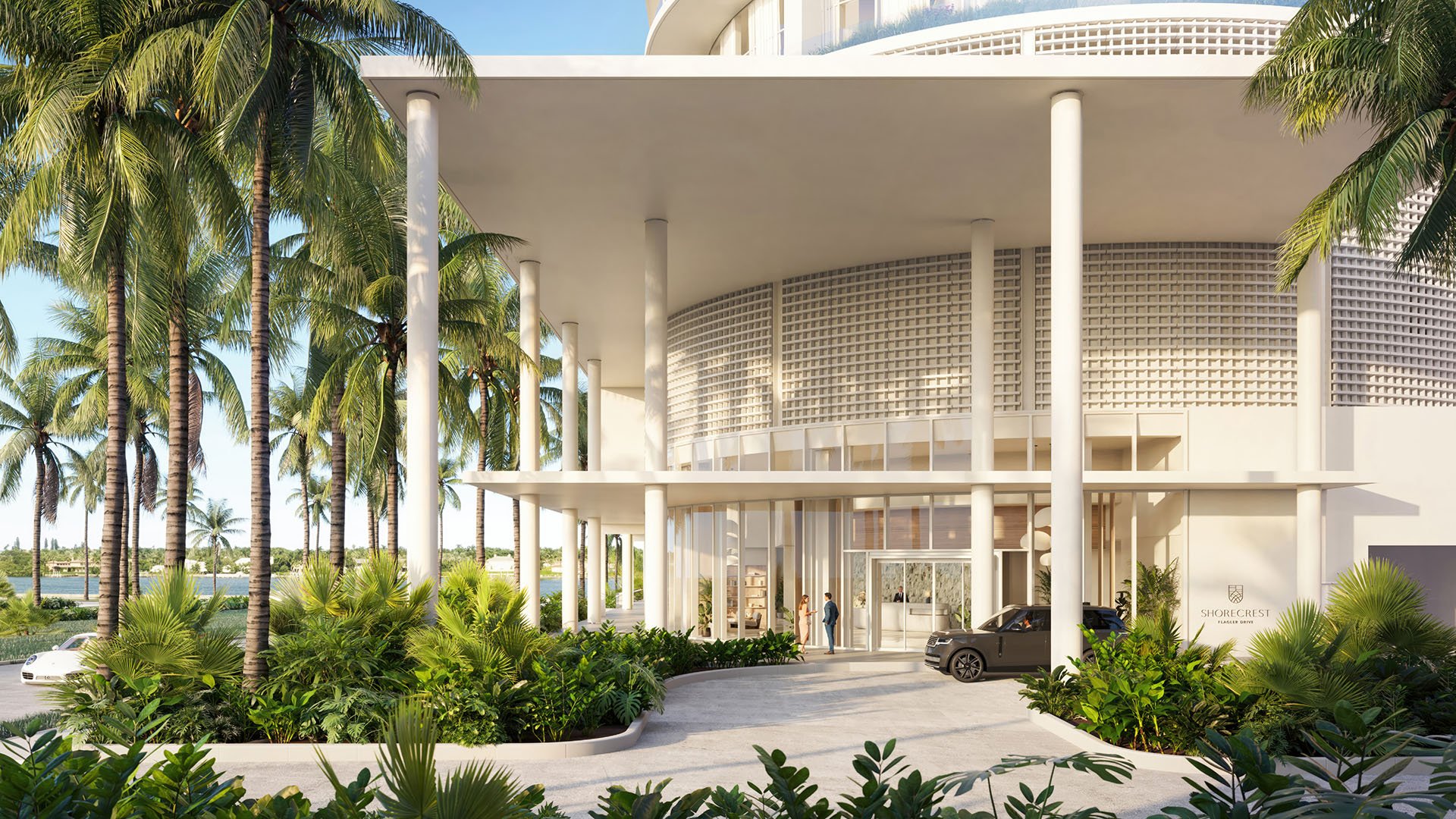
Aging in place in a full-service South Florida tower calls for a close review of how the property operates, not only how it looks. Architecture, views, and hospitality may shape the experience, while long-term practicality depends on access routes, building procedures, staffing plans, and the systems intended to support residents during an interruption.
Buyers comparing The Residences at 1428 Brickell with other South Florida residences can use the same approach: follow the complete path from the street or garage to the front door, identify potential obstacles, and request written answers about access and emergency operations.
Walk every route that medical personnel, a caregiver, or a resident with limited mobility might use. Review the covered arrival area, parking access, curb transitions, doors, lobbies, elevator controls, corridors, and the path into the residence. Repeat the exercise using the after-hours entrance rather than assuming that the daytime route is always available.
Ask management which elevator would be used during a medical event, whether that elevator reaches the residence floor, and how emergency personnel pass through controlled entrances. Private-elevator arrangements, locked vestibules, service corridors, and loading areas should be considered as parts of one continuous route.
The residence layout deserves equal attention. Review circulation around beds and seating, access to bathrooms, thresholds, lighting, storage for mobility equipment, and the route between the elevator and the principal living spaces. Any planned alteration should be evaluated separately by qualified advisers.
Concierge service can simplify recurring visits, but buyers should request the actual building procedures. The written review should address advance authorization, identification, keys or credentials, parking, elevator use, overnight access, shift changes, live-in arrangements, and urgent entry when a resident cannot respond.
Ask who may add or remove an authorized caregiver, whether permissions can be changed remotely, and how staff handle a substitute arriving outside normal hours. Buyers considering The Perigon Miami Beach can apply these questions without assuming that hospitality or wellness programming includes clinical care.
Privacy also requires careful planning. Determine what information the front desk retains, who may view entry records, and how a resident can authorize family members or representatives to coordinate access. Legal and medical advisers can help align those arrangements with the buyer's circumstances.
Do not treat the presence of a generator as a complete answer. Request a written description of the systems connected to standby power, the order in which loads are prioritized, the expected operating plan, and the procedures used if service is interrupted for an extended period.
The review should separately address elevators, access control, emergency systems, water-related equipment, communications, common areas, cooling, and any circuits serving individual residences. If a system is important to the buyer, its status should be confirmed in building documents rather than inferred from a general description.
For a vertical residence such as St. Regis® Residences Sunny Isles, ask which elevator is designated under the emergency plan and how residents are informed about availability. Request available inspection, maintenance, and testing records, then have an appropriate professional evaluate technical materials when necessary.
A backup-power review should include the practical living conditions residents may encounter. Ask whether a cooled common area is part of the emergency plan, where it is located, how residents with limited mobility would reach it, and what rules govern its use.
Water and communications require their own questions. Determine what the building's documents say about water service, resident notifications, front-desk communications, access systems, and any devices that depend on internet or cellular connectivity. Confirm how staff identify and assist residents who have requested additional support.
Buyers evaluating The Ritz-Carlton Residences® West Palm Beach should request the property-specific emergency plan and operational materials rather than relying on assumptions based on location, branding, or amenity descriptions.
Before closing, organize the documents relevant to long-term use of the residence. The file may include caregiver-access procedures, emergency staffing information, elevator records, standby-power descriptions, maintenance materials, communication plans, and evacuation or shelter procedures provided by the property.
Review the materials with qualified legal, engineering, medical, insurance, and accessibility advisers as appropriate. A final property walk should test the routes and procedures that matter most to the purchaser, with unresolved questions documented for follow-up.
What is the first aging-in-place check during a tower visit? Walk the complete route from the arrival point to the residence and note doors, transitions, elevators, corridors, lighting, and controlled-access points.
Why should medical access be reviewed after hours? Entrances, staffing, and access procedures may differ outside normal hours, so the applicable route and authorization process should be confirmed with management.
Which caregiver-entry rules should be requested? Ask for written procedures covering authorization, identification, parking, credentials, elevator use, overnight visits, substitutions, shift changes, and urgent access.
Should wellness amenities be treated as medical care? No assumption should be made. Buyers should verify the nature of each offering and arrange appropriate professional care separately when needed.
Is the presence of a generator enough information? No. Request documentation identifying the systems connected to standby power and the building's operating priorities during an interruption.
What should buyers ask about elevators? Confirm which elevator serves emergency access, the floors it reaches, how it is operated during an interruption, and which records are available for review.
Why should cooling be part of the review? Buyers should determine whether the emergency plan identifies a cooled common area and whether it can be reached by residents with limited mobility.
How should water and communications be evaluated? Review the building's plans for water service, resident notices, access systems, staff communications, and devices dependent on internet or cellular service.
Which documents belong in the purchase file? Collect the property materials addressing caregiver access, staffing, elevators, standby power, communications, maintenance, and emergency procedures.
What is the best way to shortlist comparable options for touring? Start with location fit, delivery status, and daily lifestyle priorities, then compare stacks and elevations to validate views and privacy.
For a discreet conversation and a curated building-by-building shortlist, connect with MILLION.
If branded residences are on your mind — as a home or as an allocation — we would be glad to share what we are seeing, privately.
Begin a quiet conversation