For affluent San Francisco buyers, the Hallandale Beach financing decision is less about headline price than execution certainty, retained liquidity, property eligibility, and the intended holding period.
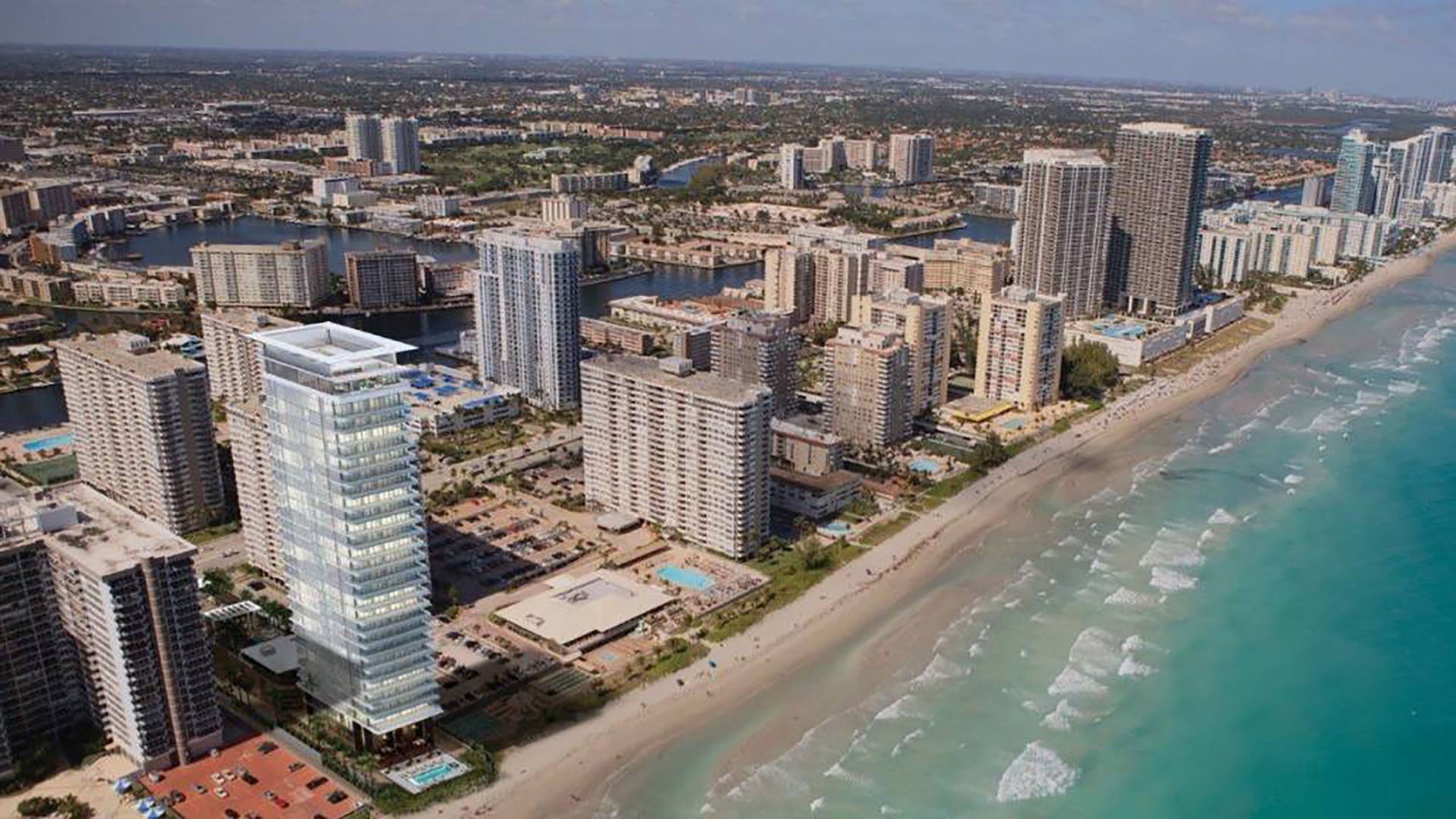
For a San Francisco buyer entering Hallandale Beach, the choice between cash and portfolio financing is not simply a contest between speed and interest expense. It is a decision about certainty, liquidity, leverage and the role the Florida residence will play within a broader balance sheet.
Cash offers the cleanest execution. It removes mortgage-contingency risk, can shorten the closing timeline and gives the seller greater confidence that the transaction will close. Yet it also commits substantial capital to an illiquid asset, potentially reducing funds available for near-term needs, other acquisitions or market opportunities.
Portfolio financing reverses part of that equation. It preserves more liquidity but introduces underwriting, appraisal exposure, borrowing costs and the possibility of delay. The right answer therefore depends on expected investment returns, financing costs, taxes, risk tolerance and holding period-not price alone.
In San Francisco in 2023, all-cash purchases represented roughly 15% to 20% of closed sales, while about 55% used mortgage financing. Buyers also made down payments of 40% to 50%, rather than relying on the more traditional 20% to 25% range.
That experience may make a large-down-payment structure feel familiar, but it does not establish current competitive conditions in Hallandale Beach. Local property characteristics and seller priorities must shape the offer. The useful principle is simple: separate the method used to win the property from the structure best suited to owning it.
A buyer considering 2000 Ocean Hallandale Beach should evaluate cash requirements and financing feasibility before negotiating. The same discipline applies when comparing a Hallandale residence with nearby coastal alternatives such as Jade Signature Sunny Isles Beach.
A portfolio loan is originated and retained by the lender rather than sold into the secondary mortgage market. Because the institution keeps the loan, it can apply underwriting criteria beyond standard conforming requirements. That flexibility can be relevant for entrepreneurs, investors, buyers who own multiple properties and households with substantial but complex income.
Flexibility is not uniform. Each institution sets its own eligibility, documentation, pricing and reserve standards. Some programs may require down payments of approximately 15% to 30%, but the actual figure depends on the borrower, lender and property. Higher interest rates and fees than those associated with conforming financing are also common.
The practical benefit is retained liquidity. Capital not committed at closing may remain available for an investment portfolio, business needs or another acquisition. The cost is debt service and a closing process with more dependencies. Leverage can support long-term portfolio growth, but only when its risks align with the buyer’s objectives.
Luxury condominium financing is property-specific. Occupancy, condominium eligibility, entity ownership, insurance, reserves and documentation can all affect approval. An attractive term sheet is not confirmation that a particular residence qualifies.
This distinction becomes especially important for a second-home purchase. An investment-property program that emphasizes property performance or streamlined documentation should never be assumed to cover a second home or primary residence. The lender must confirm the intended occupancy and ownership structure.
Property-specific review should begin before the offer is written, including for buyers exploring Shell Bay by Auberge Hallandale. In a waterfront market, the residence, building and insurance profile can matter alongside the borrower’s financial strength.
A disciplined comparison should place both routes side by side. For cash, calculate the total funds required at closing and the liquidity remaining afterward. For portfolio financing, account for the down payment, interest, lender fees, appraisal exposure, reserves, documentation burden and realistic closing schedule.
Then test each structure against the expected holding period. Cash may be compelling when certainty and speed carry exceptional value or when the buyer prefers to avoid debt service. Financing may be preferable when preserving capital supports larger priorities and the buyer is comfortable with underwriting and ongoing leverage.
The offer itself can also be calibrated. Price, deposit, closing date and contingencies work together. A financed buyer should obtain property-level feedback early and avoid promising a timeline the lender cannot meet. A cash buyer should still preserve appropriate diligence rather than treating speed as a substitute for review.
Before choosing, ask the lender to assess the exact property, occupancy plan, ownership vehicle and documentation profile. At the same time, ask the real estate adviser how much value the seller places on certainty, timing and contingency structure.
The resulting strategy may favor all cash, portfolio financing or a substantial down payment that balances the two. What matters is establishing the capital plan before negotiations intensify. For a buyer moving between San Francisco and Hallandale, the strongest structure is the one that closes reliably without compromising the wider portfolio.
Does cash always produce the strongest offer? No. Cash improves certainty, but price, deposit, timing and seller priorities also influence an offer.
What is a portfolio loan? It is a loan originated and retained by the lender, allowing institution-specific underwriting standards.
Who may benefit from portfolio financing? It may suit self-employed buyers, investors, multiple-property owners and households with complex income.
Are portfolio loans less expensive than conforming loans? Not necessarily. Their flexibility commonly comes with higher rates and fees.
How much down payment can a portfolio lender require? Some programs require approximately 15% to 30%, although borrower, lender and property factors determine the amount.
Can an investment-property loan fund a second home? It should not be assumed. The lender must confirm that the program permits the intended occupancy.
Why does condominium eligibility matter? The building’s eligibility, insurance, reserves and documentation can affect approval and timing.
What is the principal drawback of paying cash? Cash concentrates capital in an illiquid asset and can reduce funds available for other priorities.
What is the principal advantage of financing? Financing preserves liquidity that may support investments, business needs or additional purchases.
When should the financing review begin? Before an offer, with the exact residence, occupancy, ownership and closing timetable submitted for review.
For a tailored shortlist and next-step guidance, connect with MILLION.
If branded residences are on your mind — as a home or as an allocation — we would be glad to share what we are seeing, privately.
Begin a quiet conversation