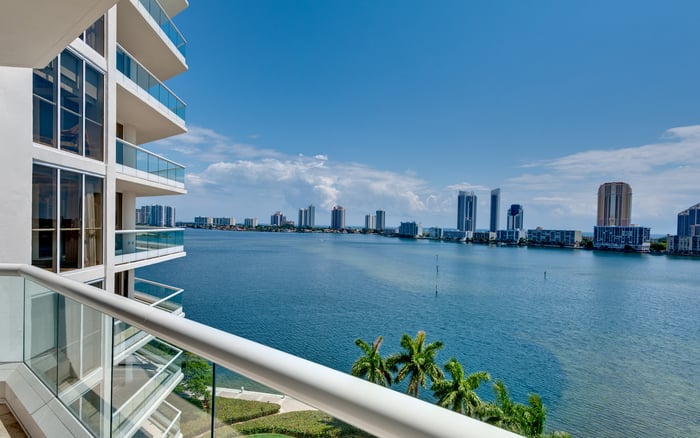
An accelerated cash closing can be attractive, but Pompano Beach condo buyers still need a disciplined review of structural, reserve, financial, and governance records.

A cash offer can simplify parts of a Pompano Beach condominium purchase, but it does not remove the need to understand the residence, the association, or the governing documents. Assessments, repairs, insurance expenses, reserve funding, and use restrictions may still affect ownership.
The practical goal is to organize the review early rather than waive it. A buyer considering Armani Casa Residences Pompano Beach can identify the required records, advisers, and contractual deadlines before setting an accelerated closing schedule.
Ask for the complete engineering and inspection records available from the association, not only summaries or selected pages. Review any identified repairs, recommended follow-up, ongoing work, and related association communications with an appropriately qualified professional.
A private inspection of the residence and a review of building-level records serve different purposes. Coastal exposure also makes it important to examine available information concerning balconies, railings, waterproofing, concrete, and other exterior components without assuming that appearance alone establishes condition.
Reserve studies and related schedules should be considered alongside current reserve balances, budgets, financial statements, bids, contracts, and planned projects. The central question is whether the records collectively present a coherent picture of anticipated work and available funding.
Do not use branding, building age, or purchase price as a substitute for document review. A buyer comparing Ocean 580 Pompano Beach with other Pompano Beach residences should assess the records associated with each opportunity on their own merits.
Unit-specific association disclosures can help identify current balances, assessments, fees, and other information tied to the residence. They should still be compared with association-level budgets, financial statements, meeting minutes, insurance materials, bids, contracts, and notices.
Read the documents together. A unit-level statement may not provide the full context for a building project, an unresolved repair discussion, or a potential funding decision.
The declaration, bylaws, rules, amendments, approval procedures, fees, and use restrictions can shape the ownership experience. The review should reflect the buyer’s intended use, whether the residence is planned as a primary home, seasonal retreat, or long-term holding.
A buyer evaluating The Ritz-Carlton Residences® Pompano Beach or W Pompano Beach Hotel & Residences should confirm which documents apply to the contemplated transaction. Project identity does not replace residence-specific and association-specific diligence.
A cash buyer can coordinate document requests, inspections, association review, and professional analysis in parallel. Any decision about contractual protections should be made with qualified advisers and should account for the particular residence, association, and closing schedule.
The objective is not to slow the transaction unnecessarily. It is to make the closing timeline compatible with a complete, informed review.
Does paying cash remove condominium ownership obligations? No. Association expenses, assessments, repairs, insurance considerations, reserve funding, and use restrictions may still affect the owner.
Should a buyer rely only on an inspection summary? A buyer should request the complete records available and seek qualified interpretation of material findings.
Is a private residence inspection enough? Not by itself. A private inspection and a review of association-level building records address different parts of the diligence process.
Which financial records deserve review? Relevant materials may include budgets, reserve information, financial statements, bids, contracts, assessments, and planned-project records.
Why compare documents rather than read them separately? Comparing records can help reveal whether repair plans, projected expenses, available funds, and association communications align.
Are unit-specific disclosures a complete forecast? Not necessarily. They should be considered with broader association records and current project information.
Which governance documents may affect ownership? The declaration, bylaws, rules, amendments, approval procedures, fee schedules, and use restrictions may all be relevant.
Does a luxury brand replace transaction-specific diligence? No. Buyers should evaluate the particular residence, association records, governing documents, and transaction terms.
Can diligence occur during an accelerated closing? Yes. Document collection, inspections, association review, and professional analysis can be coordinated early and, where appropriate, in parallel.
Who should interpret technical or legal issues? Buyers should use appropriately qualified professionals for structural, financial, insurance, contractual, and governance questions.
For a discreet conversation and a curated building-by-building shortlist, connect with MILLION.
If branded residences are on your mind — as a home or as an allocation — we would be glad to share what we are seeing, privately.
Begin a quiet conversation