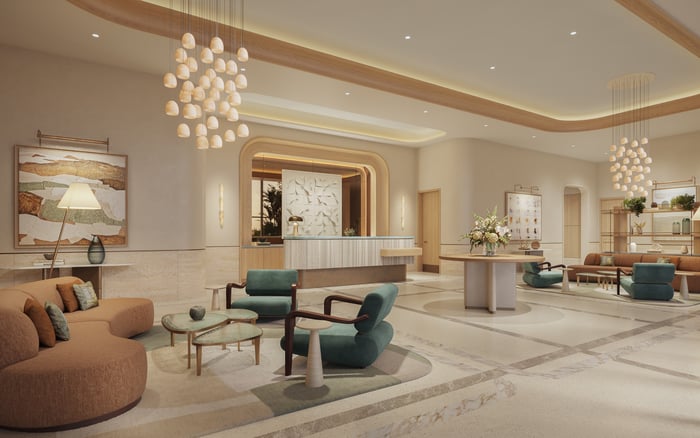
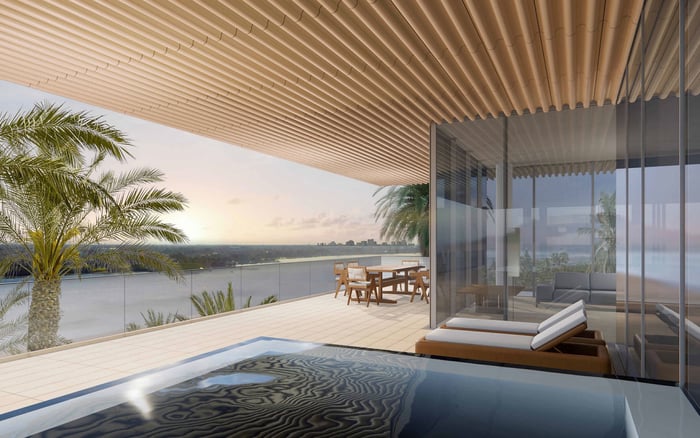
A buyer-focused comparison of Casa Bella Residences by B&B Italia in Downtown Miami and St. Regis® Residences Bahia Mar Fort Lauderdale, centered on floor-plan flexibility, secondary-bedroom performance, and the practical value of staff-room or service-adjacent space.
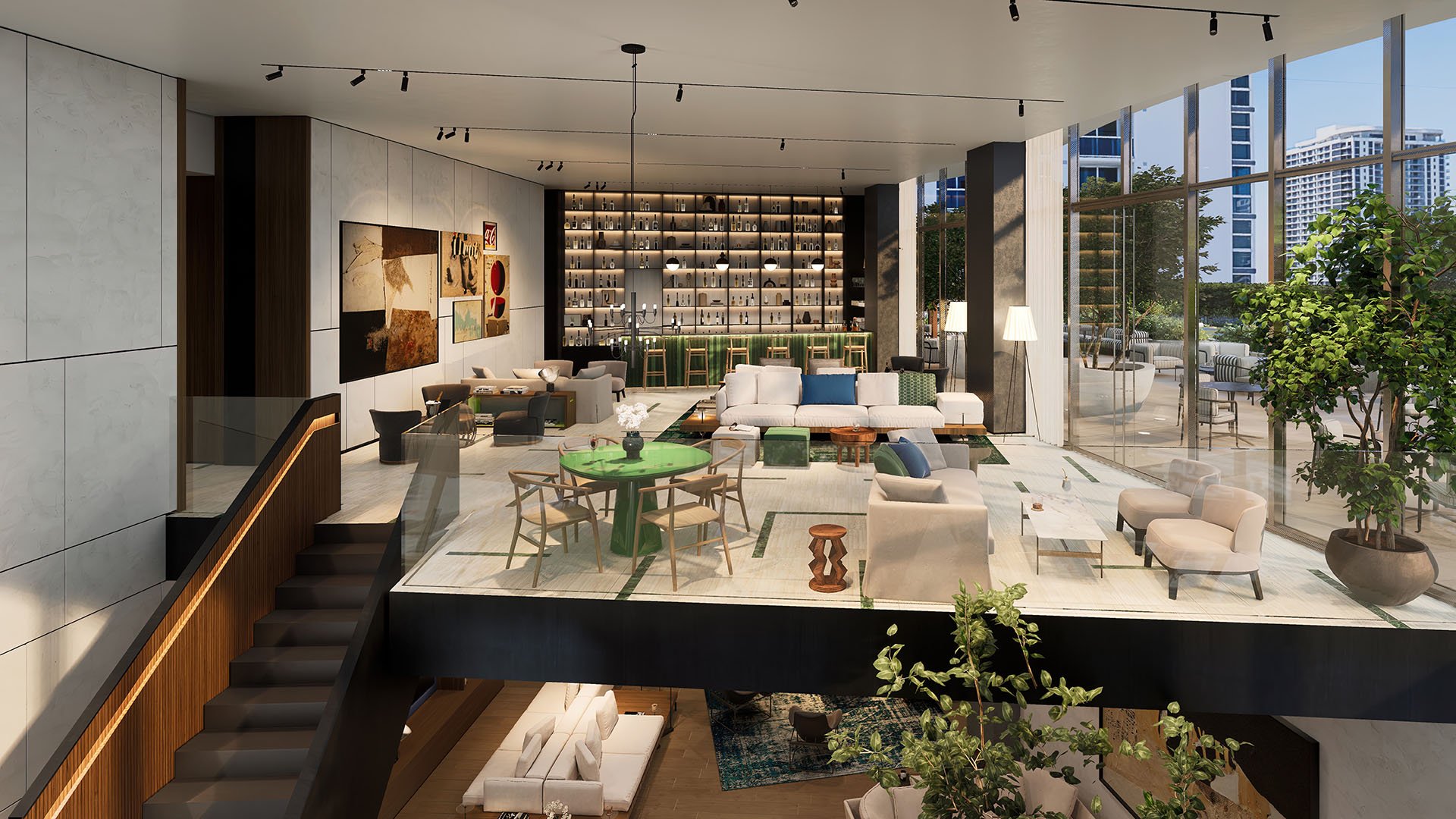
For buyers comparing Casa Bella by B&B Italia Downtown Miami with St. Regis® Residences Bahia Mar Fort Lauderdale, the meaningful distinction is not simply Miami versus Fort Lauderdale, or even skyline versus waterfront. The sharper question is how each ownership model supports the way extra rooms are actually lived in.
In South Florida’s upper tier, a secondary bedroom may need to perform several roles in a single season: guest suite during Art Week, children’s room during school breaks, private office during market hours, media room during quieter weeks, or caregiver space when a household requires live-in support. A room that appears generous on a plan can disappoint if it has awkward columns, poor bath access, insufficient closet depth, or no meaningful separation from the primary suite.
Casa Bella Residences by B&B Italia is best understood as an urban, design-led condominium in Downtown Miami. Its appeal begins with city access, cultural venues, dining, offices, and the broader Biscayne Boulevard corridor. Bahia Mar is a serviced branded-residence environment tied to Fort Lauderdale’s Bahia Mar waterfront district, where beach, marina, boating, and seasonal arrival rituals can matter as much as the walls inside the residence. Buyers also familiar with St. Regis® Residences Brickell should still evaluate Bahia Mar on its own waterfront-use pattern rather than assuming every branded residence solves floor-plan needs the same way.
Casa Bella’s B&B Italia association gives the project a design identity that makes layout efficiency especially important. In a residence shaped by a refined interior language, flexibility is not improvisation. It is the degree to which furniture, circulation, finish packages, and room dimensions work together without forcing compromise.
For a Downtown buyer, the secondary bedroom may be less about extended resort stays and more about everyday urban function. One household may need a quiet office that can receive overnight guests without disrupting the primary suite. Another may want a child’s room near the main living area, but not so close that dinner guests pass directly by it. A third may want a media room that can become a guest suite during peak entertaining weeks.
Staff-room usefulness in this model should be evaluated with discipline. A den without a proper door is not the same as staff accommodation. A bedroom far from bath access may offer decorative flexibility rather than practical flexibility. The better test is simple: can a person enter, sleep, bathe, store belongings, and move through the residence without crossing formal entertaining areas unnecessarily?
Because Casa Bella sits within a conventional condominium framework, buyers should examine alteration rules carefully. Column placement, wet-wall locations, den dimensions, and association limits can define what is realistic after closing. In a design-led building, the most successful plan is often the one that requires the least correction.
St. Regis® Residences Bahia Mar Fort Lauderdale answers a different buyer brief. The Bahia Mar setting makes the project relevant for owners who want waterfront energy, yachting proximity, beach access, and a hospitality-minded arrival sequence. This is not merely a residence with amenities. It is a branded environment where service standards, amenity programming, and arrival experience may influence day-to-day use as much as the private floor plan.
For a Broward buyer who uses Fort Lauderdale seasonally, secondary bedrooms may need to absorb waves of guests: family visiting for a long weekend, friends arriving around boating plans, or adult children working remotely from the residence between travel days. In that context, a secondary suite should be judged by privacy and dignity, not just count. A bedroom with direct or convenient bath access, usable storage, and distance from the primary suite will generally outperform a nominal extra room.
Staff-room analysis is more nuanced in a branded setting. Building-level hospitality may reduce the need for certain types of live-in help, particularly for owners who value serviced living and amenity support. Yet it does not eliminate the need for private staff space in every household. Families traveling with a nanny, caregiver, chef, assistant, or security professional may still require a room that feels intentionally planned rather than repurposed.
Waterview priorities also change the conversation. A secondary bedroom with a less prominent exposure may still be highly useful if it has privacy, bath access, and acoustical separation. Conversely, a beautiful view cannot compensate for a layout that forces staff or guests through the most formal areas of the residence.
The phrase “secondary bedroom” can conceal wide differences. Buyers should start by assigning a primary purpose to each extra room before comparing plans. If the room is for guests, bath access and privacy matter most. If it is for children, proximity to the primary suite may be a benefit. If it is for work-from-residence use, sound separation, natural light, and enough wall space for a desk or cabinetry become essential.
Closets deserve more attention than they often receive. A room that can technically fit a bed may not function gracefully if luggage, office files, sports gear, or children’s belongings have nowhere to go. Distance from the primary suite is another critical variable. Close can feel protective for a nursery, but intrusive for adult guests.
In both Casa Bella and Bahia Mar, buyers should look beyond labels. A “den,” “service suite,” “staff room,” or “bedroom” may mean very different things depending on door placement, ventilation, bathroom adjacency, and whether the space is visually and acoustically removed from entertaining zones.
A useful staff room begins with a real door. It should have proper bath access, ventilation, reasonable storage, and a location that supports discreet circulation. Service-adjacent placement is valuable when it allows household support to function without interrupting dining, entertaining, or private family routines.
At Casa Bella, the question is whether larger plans offer enough separation or flexible den and bedroom alternatives to accommodate live-in help when needed. At Bahia Mar, the question is whether the branded-service environment reduces the household’s staffing requirement, or whether the owner still needs private accommodation for personal staff.
The best floor plans do not force a binary choice between elegance and practicality. They allow a residence to entertain formally, host family casually, support staff respectfully, and adapt as household needs change.
Casa Bella’s strongest fit is the buyer who wants an urban, design-forward condominium with efficient rooms that can transition among office, guest, children’s, media, and occasional staff use. The Downtown context rewards owners who expect to move through Miami’s cultural, professional, and dining corridors with ease.
St. Regis® Residences Bahia Mar is better framed for the buyer who wants serviced waterfront living with a resort-residential rhythm. The appeal is not only the private residence, but also the branded environment surrounding it. For some owners, that service layer will make a formal staff room less critical. For others, it will complement rather than replace private household support.
Neither model is automatically superior. The more intelligent purchase is the one that matches how the residence will be lived in at 8 a.m., 8 p.m., and during a full house of guests.
Request the exact floor plan and study it before discussing finish preferences. Ask which walls are structural, where wet walls are located, and whether future alterations are constrained by developer or association rules. Walk the plan mentally from arrival to kitchen, bedroom, bath, terrace, and service areas.
Then test each extra room against real use. Where does a guest put luggage? Can a caregiver bathe without crossing the living room? Is there a quiet place for video calls? Can a child sleep while adults entertain? Does the plan preserve privacy for the primary suite?
In luxury real estate, flexibility is not the promise of endless change. It is the quiet confidence that a residence can support more than one version of a household without losing composure.
Which project is more urban in character? Casa Bella is the more urban comparison point, with a Downtown Miami setting tied to city access, dining, culture, offices, and the Biscayne Boulevard corridor.
Which project is more oriented toward waterfront branded living? St. Regis® Residences Bahia Mar is the waterfront branded-residence comparison, shaped by Fort Lauderdale’s Bahia Mar district, beach proximity, boating, and serviced living.
Should buyers compare only the number of bedrooms? No. Column placement, wet-wall locations, bath access, closet depth, room separation, and alteration rules may be more important than bedroom count.
What makes a secondary bedroom genuinely useful? A useful secondary bedroom has privacy, practical bath access, adequate storage, and enough separation to work as a guest suite, office, nursery, or caregiver room.
Can a den replace a staff room? Sometimes, but only if it has a real door, proper bath access, ventilation, storage potential, and a location that supports discreet circulation.
Does branded service remove the need for staff space? Not always. Branded service may reduce the need for certain household support, but some owners still require private accommodation for personal staff.
Why does Casa Bella’s design identity matter for floor plans? Its B&B Italia association places emphasis on interior coherence, furniture compatibility, finish integration, and efficient room planning.
Why does Bahia Mar’s setting matter for secondary bedrooms? Seasonal occupancy, family visits, yacht-related trips, and work-from-residence use can make guest privacy and flexible room function especially important.
What should buyers ask before modifying a floor plan? Buyers should confirm structural walls, plumbing constraints, association rules, and whether proposed changes preserve practical circulation.
Which ownership model is better for flexibility? The better model depends on use: Casa Bella favors urban design-led adaptability, while Bahia Mar favors serviced waterfront living with hospitality support.
For a tailored shortlist and next-step guidance, connect with MILLION.
If branded residences are on your mind — as a home or as an allocation — we would be glad to share what we are seeing, privately.
Begin a quiet conversation