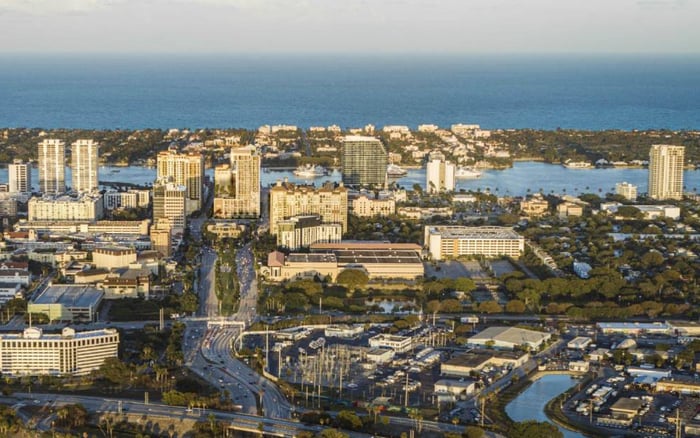
For carried-interest recipients considering Palm Beach, a trophy purchase should follow a coordinated review of domicile, income treatment, homestead eligibility, property taxes and insurance. The right residence must support both the intended lifestyle and a defensible relocation plan.

For a carried-interest recipient contemplating Palm Beach, the most consequential purchase decision may come before the first private showing. Is this a genuine relocation, a seasonal retreat or an investment in a different way of living? Each calls for a distinct financial plan. An exceptional residence can support that plan, but it cannot substitute for one.
Florida has no individual state income tax. That makes residency a material consideration for buyers arriving from higher-tax states, but it does not settle the treatment of any particular distribution. Separate three decisions: how your income will be treated, where you will establish domicile and which property you want to own.
The objective is not simply to secure an address. It is to select a home whose use, ownership costs and timing remain sensible after your advisers have tested the assumptions behind the move.
Before committing capital to a residence, ask your tax advisers to review the anticipated income connected with your carried interest. What must be established about its character, timing and connection to your former state? Which conclusions depend on your circumstances, and which require further legal analysis?
Do not base a purchase budget on an assumed tax saving that has not been evaluated. Request a written comparison of the proposed relocation and a scenario in which the expected benefit is delayed or smaller than anticipated. The property should remain financially comfortable in either case.
Keep federal carried-interest treatment separate from the domicile discussion. Ask counsel to confirm the applicable rules rather than treating Florida residency as an answer to a federal tax question. This sequence is a framework for making the decision, not a promise that moving will change the treatment of a particular payment.
Spending more than six months in Florida does not, by itself, establish domicile. Intent and substantive residential ties also matter. A Florida driver license, voter registration, a Declaration of Domicile and a genuine residential address can support the record, but a checklist is not a conclusion about your former state's position.
Ask your advisers what evidence would support the move and which continuing ties elsewhere need examination. Then test the proposed home against the life you actually intend to lead. Will it be occupied as your principal residence, or will travel and existing commitments leave it functioning as a seasonal address?
A comparison that includes Palm Beach Residences should therefore begin with intended use, not simply visual appeal. The same discipline applies when considering Alba West Palm Beach: choose the residence that supports the relocation you can genuinely make.
Domicile and homestead eligibility are separate questions. Florida homestead benefits apply to qualifying primary residences and should not be assumed for second homes or investment properties. A purchase alone does not establish eligibility.
Eligibility generally requires permanent residency as of January 1, with applications typically due March 1. Confirm the requirements for the relevant tax year before building a closing schedule around an anticipated benefit. Ask whether your intended occupancy and acquisition timing align with those requirements.
For qualifying homesteaded property, Save Our Homes limits annual assessed-value increases to the lower of 3% or the change in the Consumer Price Index. That is an assessment limitation, not a promise that the total tax bill will rise by no more than 3%.
If the residence is initially intended for seasonal use, budget on that basis. Any later change in its role should prompt a fresh eligibility review, not a retroactive assumption that benefits were available from the outset.
A purchase generally triggers reassessment, and the seller's exemptions and accumulated assessment protections do not automatically transfer to the buyer. A longstanding owner's current bill is therefore a poor proxy for your expected expense.
Request an estimate based on the anticipated post-purchase assessment and the exemptions for which you may qualify. Palm Beach County property-tax bills reflect multiple taxing authorities, including county, school, municipal and special-district levies. Costs vary by parcel and jurisdiction; a countywide assumption cannot replace property-level analysis.
When comparing a Palm Beach home with a West Palm Beach residence such as Forté on Flagler West Palm Beach, request the same standard of analysis for each candidate. Keep purchase price, projected property taxes and other ownership expenses visible as separate line items. A compelling asking price should not obscure an incomplete annual budget.
For a waterfront purchase, windstorm protection and flood protection are separate questions. Windstorm insurance does not cover flood damage. Request a property-specific review of flood exposure and coverage rather than relying on the residence's appearance or proximity to the water.
Ask an insurance adviser to explain the proposed policies, exclusions, deductibles and limits before you commit. A general estimate is no substitute for a quote addressing the actual property and intended use.
If Mr. C Residences West Palm Beach is part of your search, apply the same discipline: establish which insurance documents require review and what protection you would need as an owner. Waterfront appeal belongs in the lifestyle decision; coverage belongs in the underwriting. Neither should stand in for the other.
Before committing, bring the tax, domicile, homestead, property-tax and insurance work into one review. Ask each adviser to distinguish confirmed conclusions from assumptions and identify which unresolved items would change your willingness to proceed.
The right residence should remain desirable without an optimistic tax narrative attached. Once the relocation is credible and the ownership budget is grounded, architecture, privacy and daily enjoyment can take their proper place at the center of the choice.
For a discreet exploration of residences aligned with your relocation priorities, connect with MILLION.
If branded residences are on your mind — as a home or as an allocation — we would be glad to share what we are seeing, privately.
Begin a quiet conversationFlorida has no individual state income tax, but that fact does not determine the treatment of a particular distribution. Have advisers evaluate federal treatment and any questions involving your former state separately.
No. Intent and substantive residential ties also matter, so a day count alone should not be treated as conclusive.
Supporting evidence can include a Florida driver license, voter registration, a Declaration of Domicile and a genuine Florida residential address. These do not, by themselves, settle your former state's position.
No. Homestead benefits apply to qualifying primary residences and should not be assumed for second homes or investment properties.
Permanent residency is generally required as of January 1, with applications typically due March 1. Confirm the requirements for the relevant tax year.
For qualifying homesteaded property, it limits annual assessed-value increases to the lower of 3% or the change in the Consumer Price Index. It does not guarantee the same limit on total tax-bill increases.
Not reliably. A purchase generally triggers reassessment, and the seller's exemptions and accumulated assessment protections do not automatically transfer.
Bills include multiple taxing authorities, such as county, school, municipal and special-district levies. The applicable costs vary by parcel and jurisdiction.
No. Flood protection is a separate coverage question that should be reviewed for the specific property.
Coordinate advice on income treatment, domicile, homestead eligibility, post-purchase property taxes and insurance. The purchase budget should remain comfortable without relying on an unconfirmed tax benefit.