A considered guide for Canadian buyers aligning South Florida mortgage options, currency exposure, cross-border taxes, and seasonal ownership plans before committing to a residence.
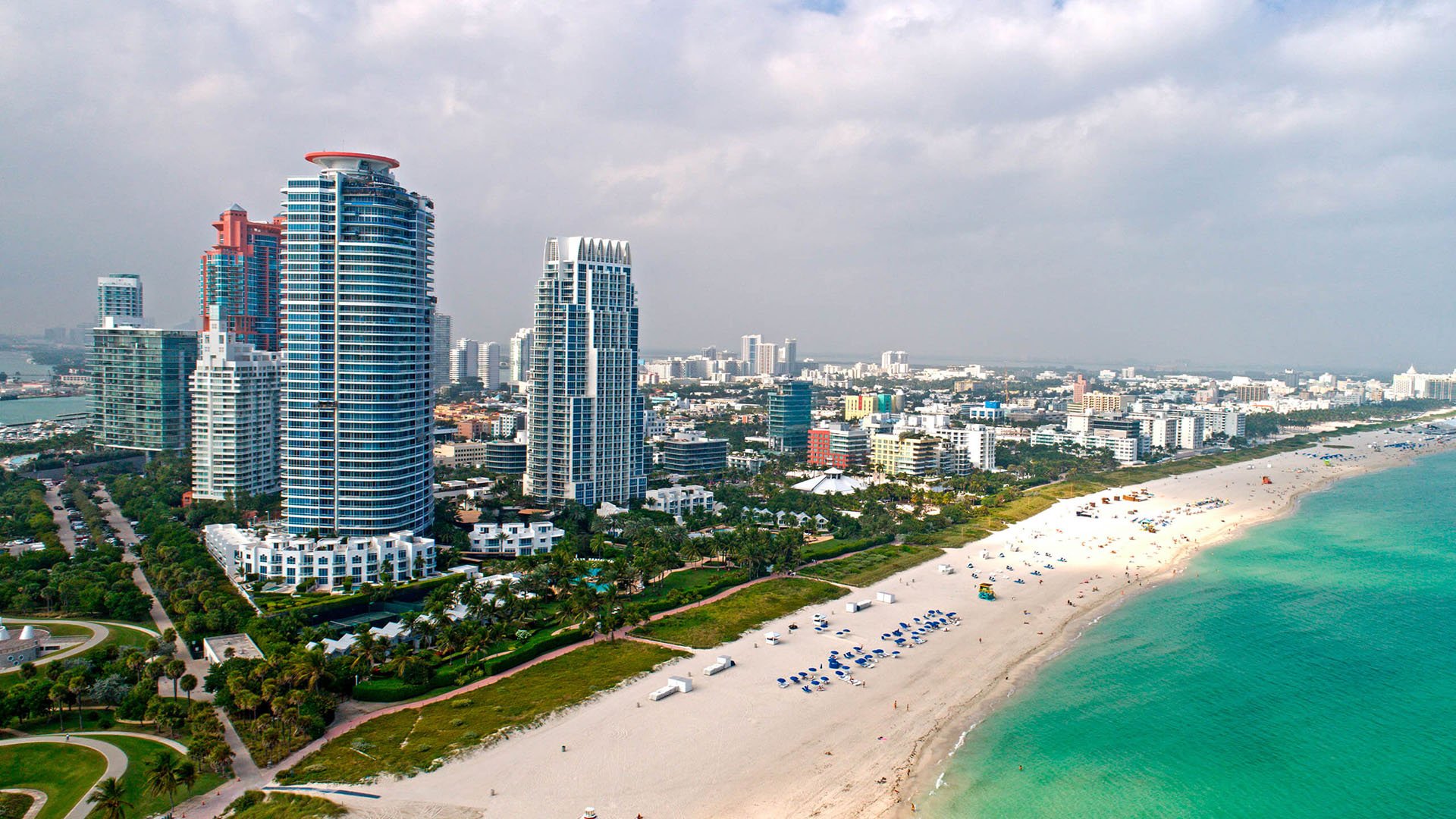
For a Canadian buyer, South Florida's appeal is personal: a winter residence, a gathering place for family, or a home that supports a more flexible calendar. The financial structure should be equally deliberate. Purchase price, mortgage terms, currency exposure, and tax treatment belong in the same conversation before a residence becomes the preferred choice.
A search spanning The Residences at 1428 Brickell and The Perigon Miami Beach might begin with different lifestyle preferences. The cross-border discipline should remain consistent: establish how the purchase will be funded, how the home will be used, and which advisers will review the obligations in each country.
Canadian citizenship, Canadian tax residence, U.S. tax residence, and Florida homestead eligibility are distinct questions. Seasonal intentions do not determine the treatment that applies to an individual buyer.
An established U.S. credit file is not necessarily a prerequisite for financing. Canadian buyers can access foreign-national or cross-border mortgage programs that may assess Canadian income and credit history. That possibility is a starting point, not an assurance of approval or standardized borrowing terms.
Down-payment requirements vary by lender and property type. Before committing, request terms for the intended residence rather than relying on a general indication of borrowing capacity. Ask what income documentation is required, how Canadian credit will be evaluated, and which conditions remain outstanding.
Some foreign-national programs require six to twelve months of reserves held in a U.S. or Canadian bank account. Confirm the applicable requirement and how the lender measures it before deciding how much cash to allocate to closing.
The comparison is not simply cash versus a mortgage. It is the liquidity remaining after the down payment, transaction expenses, and required reserves, weighed alongside the ongoing cost of borrowing.
A stronger U.S. dollar increases the Canadian-dollar cost of both the acquisition and ongoing ownership expenses. Test the budget against less favorable conversion assumptions rather than treating any single exchange rate as permanent.
Financing part of the purchase can reduce the Canadian dollars that must be converted at closing. It does not eliminate exchange-rate exposure. Future U.S.-dollar payments and ownership expenses still need to be funded, and their Canadian-dollar cost can change.
For a buyer considering Alba West Palm Beach, a useful exercise is to build parallel U.S.-dollar and Canadian-dollar budgets. Apply that discipline to any West Palm Beach shortlist: distinguish the cash required to acquire the residence from the cash required to hold it comfortably.
A financing decision should serve the ownership plan, not depend entirely on a hoped-for currency move.
The agreed price is only one component of the acquisition budget. Include title insurance, lender origination charges where applicable, applicable transfer taxes, and association charges. Obtain transaction-specific estimates rather than carrying over assumptions from another purchase.
Keep lender reserves separate from amounts expected to be spent at closing. Both affect available liquidity, but they serve different roles in the funding plan.
When comparing residences, request the same categories of information for each candidate. A consistent worksheet keeps design preferences from obscuring differences in financing conditions or cash requirements. It also gives the buyer's legal, lending, and tax advisers a common set of assumptions to review before funds are committed.
A residence used only by its owner presents a different planning question from one expected to generate rent. Canadian residents renting out Florida property may face Canadian reporting and tax obligations as well as U.S. obligations. Rental proceeds should not be treated as freely available spending money.
For a nonresident alien, U.S. real-property income that is not effectively connected with a U.S. trade or business is generally taxed at 30% of gross income, or a lower applicable treaty rate. Under that treatment, expenses generally cannot be deducted from the rental income subject to tax.
A nonresident owner can elect to treat qualifying U.S. real-property income as effectively connected income, allowing attributable deductions under the applicable rules. Nonresident aliens must file a U.S. income-tax return to claim eligible deductions or credits, including rental deductions associated with that election.
Have a cross-border tax adviser evaluate the applicable treatment before relying on a rental-income projection. What matters is the amount remaining after the appropriate tax treatment, not merely the rent a buyer hopes to collect.
Translate a seasonal calendar into specific due-diligence questions. How much personal use is intended? Will relatives occupy the residence without the owner? Is rental use contemplated, and has the proposed arrangement been reviewed against the property's governing documents and applicable requirements?
For someone considering St. Regis® Residences Sunny Isles, these questions must be resolved for the particular residence, not answered through assumptions about Sunny Isles Beach generally. A project's inclusion in a search does not establish its rental permissions, financing eligibility, or suitability for a proposed seasonal arrangement.
Request property-specific insurance information, association financial materials, and clarification of any assessment obligations. Separately, establish who will oversee the residence during absences and what that arrangement entails. These are due-diligence items, not assurances about any building.
Review immigration permissions and tax residence with the appropriate advisers as separate matters. Likewise, do not build a property-tax budget around assumed homestead eligibility or proposed tax changes.
Exit planning deserves attention at acquisition. FIRPTA generally requires a buyer acquiring U.S. real property from a foreign seller to withhold 15% of the amount realized, subject to exceptions and withholding adjustments.
The distinction matters: withholding is generally calculated on the amount realized, not merely the seller's taxable gain. It is not necessarily the seller's final tax liability, and filing a U.S. return may be necessary to recover excess withholding.
Ask advisers to explain how this could affect proceeds from a future sale. Understanding the difference between withholding and final tax helps avoid treating the gross sale price as immediately available cash.
The strongest purchase plan connects the intended use, property-specific financing, two-currency budget, and cross-border tax review. Each element should support the others without depending on an unconfirmed rental assumption, exemption, or exchange-rate forecast.
With those questions addressed, the choice of residence can return to what matters personally: how the home fits the buyer's life, with its financial obligations understood.
For a considered South Florida property search aligned with your ownership priorities, connect with MILLION.
If branded residences are on your mind — as a home or as an allocation — we would be glad to share what we are seeing, privately.
Begin a quiet conversationSome foreign-national and cross-border mortgage programs may assess Canadian income and credit history. Approval and documentation requirements depend on the lender and the property.
Down-payment requirements vary by lender and property type. Obtain financing terms for the specific residence before committing to a purchase.
Some programs require six to twelve months of reserves held in a U.S. or Canadian bank account. Confirm the amount and calculation with the lender.
No. Financing can reduce the Canadian dollars converted at closing, but future U.S.-dollar payments and ownership expenses remain exposed to exchange-rate changes.
Include title insurance, applicable lender origination charges, applicable transfer taxes, and association charges. Account separately for any required lender reserves.
Yes. Canadian residents renting out Florida property may face Canadian reporting and tax obligations as well as U.S. obligations.
When not effectively connected with a U.S. trade or business, it is generally taxed at 30% of gross income or a lower applicable treaty rate. Expenses generally cannot be deducted under that treatment.
An election to treat qualifying real-property income as effectively connected income can allow attributable deductions under applicable rules. A U.S. income-tax return is required to claim eligible deductions or credits.
No. FIRPTA generally requires 15% withholding on the amount realized, subject to exceptions and adjustments, rather than merely on taxable gain; withholding is not necessarily the final tax liability.
No. Canadian citizenship, Canadian tax residence, U.S. tax residence, and Florida homestead eligibility require separate consideration based on the buyer's circumstances.