An aging dock can be part of a waterfront home’s appeal, but its replacement is not an automatic right. Before buying, reconcile the existing structure with its approvals, confirm the applicable exemption conditions, and establish which environmental, submerged-land and local authorizations your proposed work requires.
An aging dock can make a South Florida waterfront home feel immediately usable: a place to step aboard, return from an afternoon on the water, or simply sit at the shoreline. Yet the dock visible during a showing is not necessarily the dock a buyer may lawfully rebuild.
Whether you can replace it on the same footprint depends on several conditions. Florida provides an exemption for certain replacement and repair work, but location alone neither establishes eligibility nor resolves every approval.
For a buyer, “same footprint” is a permitting objective, not a guaranteed replacement right.
Treat the dock as a separate diligence exercise alongside the residence. Its physical condition, documented authorization and intended configuration each deserve attention before the inspection period expires.
Under the 2026 version of Florida’s dock-replacement exemption, replacement or repair of existing docks and piers must remain within five feet of the same location. The replacement or repaired structure cannot be larger than the existing structure. Fill material cannot be used, and the work cannot permanently and adversely affect additional aquatic resources.
These conditions work together. The five-foot provision is not a stand-alone allowance to reposition a dock without considering its size or environmental effects. Retaining the outline likewise does not establish that every other condition has been satisfied.
The exemption also does not eliminate applicable coastal-construction permitting requirements under Chapter 161. Waterfront work may involve state, federal and local requirements; a state exemption does not confirm that all necessary authorizations are in place.
Ask for an assessment of the proposed work, not an assurance based solely on the words “replacement” or “repair.”
A dock’s physical presence does not prove that it was legally constructed or matches its approved dimensions. A seller’s description of it as “grandfathered” should begin a document review, not conclude one.
Request the original dock permit, subsequent modification approvals, applicable exemption records, approved drawings and any available as-built plans. Compare those records with the structure on the water, reviewing dimensions, configuration, pilings, waterward projection, boat lifts and roofs.
The practical question is whether the dock offered with the home is the dock reflected in the approval history. If the documents and structure differ, establish the significance of that discrepancy before assuming replacement is permissible.
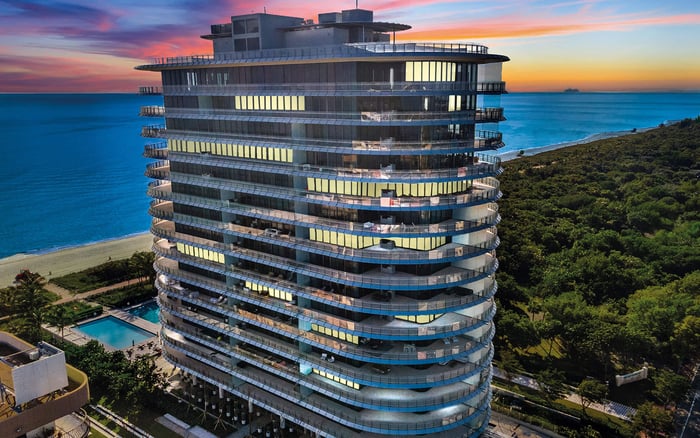
For a buyer comparing a Boca Raton house with a residence at Glass House Boca Raton, the distinction matters: evaluating the residence and verifying a private dock are separate tasks. Neither an attractive address nor a polished presentation answers the dock question.
Environmental approval and authorization to use state-owned sovereignty submerged lands are distinct issues. A waterfront owner may need both. Depending on the property and proposed project, submerged-land authorization may involve consent, a lease, an easement or another approval.
Riparian rights concern access to and use of the water. They do not, by themselves, prove that an existing dock is permitted or establish exclusive homeowner control over surrounding submerged land.
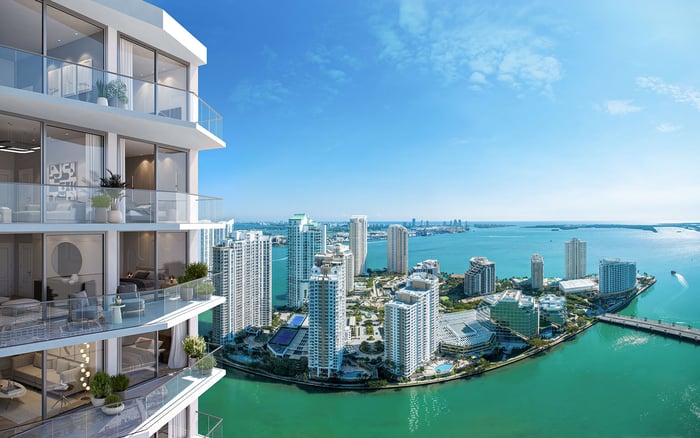
This distinction matters when comparing ownership settings. A purchaser considering a private waterfront home in Coconut Grove alongside Park Grove Coconut Grove should not treat water access, dock authorization and control of submerged land as interchangeable. Any anticipated docking arrangement deserves its own document review.
Confirm, too, whether existing permits and submerged-land authorizations remain valid after a sale or require transfer or reissuance. Paperwork is useful only if its terms support the intended ownership and use.
“Replace the dock” can conceal several different projects. A buyer may envision retaining the platform while changing the lift, adding a roof or adjusting the configuration. Disclose those details when seeking a determination about the approval pathway.
Describe the existing structure and intended work separately. Ask whether proposed lifts or roofs change the scope, and whether nearby habitat or associated seawall repairs complicate the assessment. Do not assume a response about the dock alone covers every element of a broader waterfront renovation.
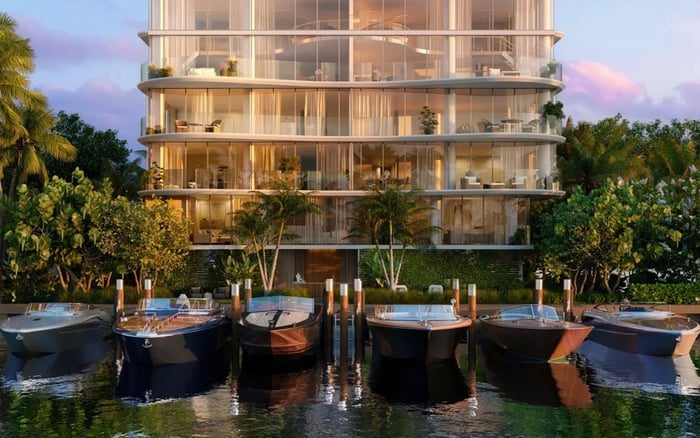
In Fort Lauderdale, a buyer weighing a house against Sixth & Rio Fort Lauderdale can apply the same discipline: decide which waterfront uses matter, then verify the permissions supporting them. No particular docking entitlement should be inferred from a residential project name or setting.
A clearly defined project gives the applicable authorities something concrete to evaluate. It also makes a written response more useful than a general conversation about keeping the same footprint.
Mangroves deserve particular care. Florida’s mangrove-trimming rules do not distinguish between living and dead mangroves. A plant’s apparent condition is therefore no reason to assume it may be trimmed or removed without further review.
Conditions attached to a particular authorization may also restrict mangrove removal, including prop roots, subject to specified exceptions. Those exceptions are not blanket permission to clear vegetation for dock access or construction.
Available single-family dock pathways can include self-certification, exemption verification, general permits and individual permits. Eligibility determines the appropriate route. Buyers should also check with the relevant city or county about local construction approvals and confirm whether federal requirements apply.
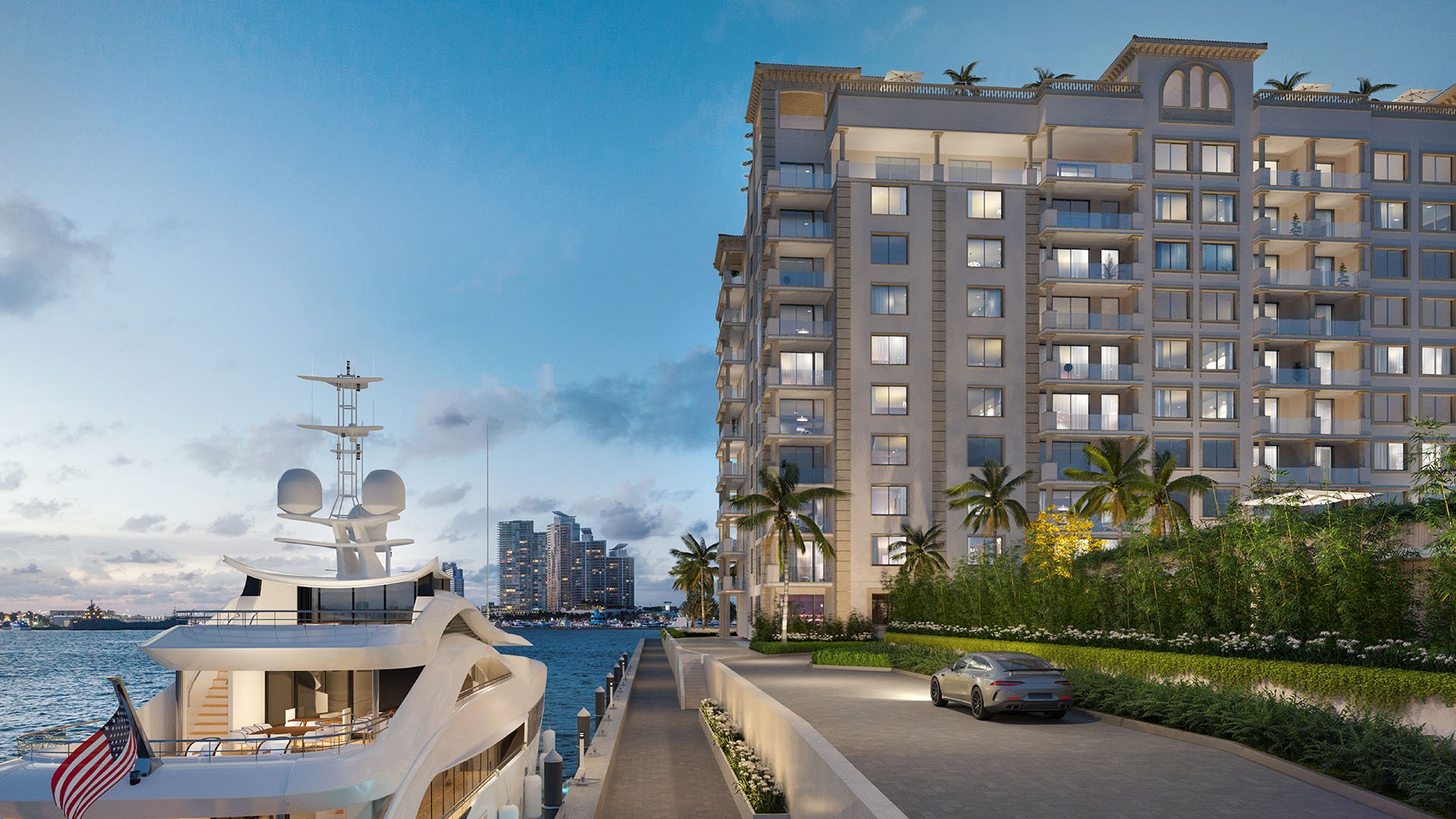
For those comparing Miami Beach homes with The Ritz-Carlton Residences® Miami Beach, the review remains property-specific: distinguish residential appeal from the permissions governing any contemplated dock work.
Before the inspection period ends, seek written, project-specific confirmation from the applicable permitting authorities. Identify the property, existing dock and proposed replacement precisely enough that the response addresses the work you intend to undertake.
Your review should resolve three essentials: whether the approval history matches the existing dock, which authorizations the replacement requires, and whether existing permissions need transfer or reissuance after the purchase. Unresolved questions belong in the purchase decision, not in a renovation plan built on assumptions.
The most useful conclusion is not simply that a dock can be rebuilt. It is that the documented structure, intended work and applicable approvals align. That clarity allows the waterfront lifestyle to rest on something more durable than a seller’s reassurance.
For a considered approach to South Florida waterfront ownership, explore MILLION.
If branded residences are on your mind — as a home or as an allocation — we would be glad to share what we are seeing, privately.
Begin a quiet conversationNo. The replacement exemption is conditional, and applicable coastal-construction, local, federal or submerged-land requirements may still need to be addressed.
The 2026 statutory exemption covers replacement or repair within five feet of the same location. That location condition does not override the exemption’s other requirements.
Not under this replacement exemption. A larger proposed structure requires assessment under the appropriate approval pathway.
No. The exemption does not allow fill material, and qualifying work cannot permanently and adversely affect additional aquatic resources.
Request the original permit, modification approvals, applicable exemption records, approved drawings and available as-built plans. Compare them with the actual structure, including lifts, roofs and pilings.
No. Its physical presence does not establish lawful construction or confirm that its dimensions match the approved plans.
No. Riparian rights concern water access and use, but do not by themselves prove dock authorization or exclusive control over surrounding submerged land.
Buyers should confirm the terms of each permit and submerged-land authorization. Transfer or reissuance may be required.
Do not assume so. Florida’s mangrove-trimming rules do not distinguish between living and dead mangroves.
Seek written, project-specific confirmation from the applicable permitting authorities before the inspection period expires. The request should describe both the existing dock and the intended work.