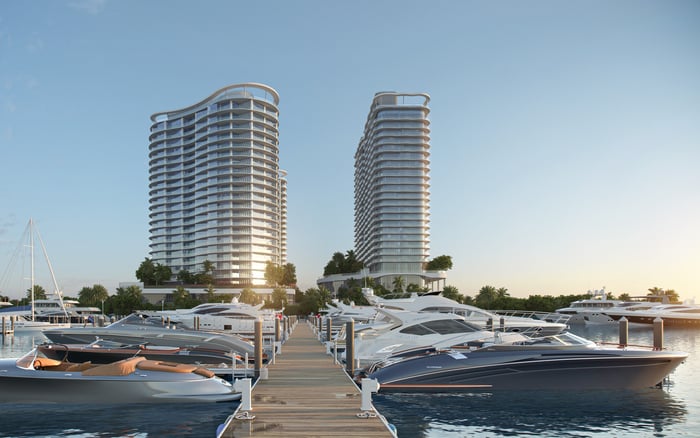
A disciplined framework for converting Seoul sale proceeds into a Las Olas purchase while protecting tax cash, closing liquidity, operating reserves, and waterfront capital.

Selling a residence in Seoul and buying in Las Olas is a portfolio transition involving different currencies, transaction processes, tax considerations, and property obligations. The useful starting point is not the gross Seoul sale price, but the uncommitted US-dollar liquidity expected to remain after sale expenses, tax reserves, currency conversion, Florida closing requirements, and post-purchase reserves.
A Las Olas acquisition can concentrate significant capital in an illiquid asset. Waterfront ownership may also introduce specialized inspection, maintenance, and capital-planning considerations. Liquidity should therefore be part of the purchase strategy from the beginning.
The purchase ceiling should be set by residual liquidity, not gross sale proceeds.
This approach helps prevent the buyer from using funds earmarked for taxes or ownership costs to increase the offer price. It also creates a clearer basis for comparing a private estate with a managed residence.
Before setting a Florida budget, request advice tailored to the seller’s residency, ownership history, transaction structure, and filing obligations. The objective is to identify which amounts must remain available for taxes and sale-related expenses before funds are converted or committed to the purchase.
Use a working schedule that begins with gross sale proceeds and deducts selling expenses, estimated tax obligations, transfer costs, and a contingency for unresolved items. Keep the tax reserve separate until qualified advisers confirm the amount and timing of payment.
The remaining balance becomes the preliminary pool available for currency conversion and portfolio reallocation. It should not automatically become the Las Olas purchase budget because closing and post-purchase reserves still need to be funded.
A disciplined plan assigns each major obligation its own ledger instead of treating all cash as one pool.
Purchase capital.
This account funds the negotiated acquisition price. Its limit should be determined only after the other accounts are protected.
Closing liquidity.
Obtain a property-specific estimate covering the costs, prorations, prepayments, and deposits applicable to the transaction. Keep these funds liquid and available in US dollars ahead of contractual deadlines.
Operating reserve.
Preserve cash for recurring ownership expenses and unexpected repairs. The reserve should allow the buyer to carry the residence without depending on an immediate sale or rental.
Waterfront capital reserve.
For a waterfront property, create a separate allocation for specialized inspections and potential work involving marine-facing components. The required amount should follow property-specific diligence rather than a generic assumption.
Keeping these accounts separate makes the true purchase ceiling visible. It also reduces the risk that an attractive property consumes cash intended for foreseeable obligations.
The Seoul sale and the Florida purchase involve different currencies. Model the conversion at the expected exchange rate and at less favorable rates before entering a binding acquisition timetable. The purpose is not to predict currency markets; it is to determine whether an adverse movement would affect closing funds or reserves.
Timing matters as much as the rate. Sale completion, tax payments, international transfers, bank processing, and escrow deadlines may not align. Confirm transfer procedures, cleared-funds requirements, and supporting documentation early. Avoid a contract schedule that assumes gross won proceeds will be immediately available in dollars.
A staged conversion may help organize liquidity, but any approach should reflect the buyer’s circumstances and professional advice. Whatever method is chosen, tax funds and closing funds should remain identifiable throughout the process.
A single-family home and a managed residence can have different operating structures, maintenance responsibilities, and reserve needs. Buyers evaluating Fort Lauderdale options may compare Four Seasons Hotel & Private Residences Fort Lauderdale with The Ritz-Carlton Residences® Fort Lauderdale while assessing which ownership format better fits their portfolio.
The comparison should extend beyond acquisition price. Review the services, association framework, maintenance responsibilities, use restrictions, and anticipated carrying costs disclosed for each property. For an estate, evaluate the building, site, and waterfront elements individually. For a managed residence, examine the governing documents and property-specific obligations.
Buyers seeking a different urban setting can also consider Sixth & Rio Fort Lauderdale. Those prioritizing a marina-oriented context may include St. Regis® Residences Bahia Mar Fort Lauderdale in the comparison. These references are starting points, not substitutes for legal, financial, or physical due diligence.
Broad market narratives should not replace analysis of the individual residence. Construction, condition, layout, waterfront components, insurance considerations, and future capital needs can differ materially from one property to another.
Request appropriate inspections and review the documents relevant to the selected ownership type. Build the operating plan from property-specific information rather than assuming that nearby homes or residences will have comparable costs.
The same caution applies to potential rental income and resale proceeds. Either may contribute to future returns, but neither should be treated as immediately available cash for taxes, closing obligations, maintenance, or emergencies. The acquisition should remain supportable without a forced transaction.
The purchase ceiling should emerge only after tax cash, Florida closing liquidity, an operating reserve, and any waterfront capital reserve have been allocated. If financing is contemplated, assess how debt service, lender requirements, and retained liquidity affect the complete ownership plan.
Before closing, reconcile the final settlement figures and verify that the designated reserves remain intact. After closing, continue tracking them separately and update the plan as actual ownership costs and property needs become clearer.
This framework positions the Las Olas residence as one component of a broader portfolio rather than a use for every available dollar. For discreet guidance on aligning a South Florida acquisition with your broader property strategy, connect with MILLION.
If branded residences are on your mind — as a home or as an allocation — we would be glad to share what we are seeing, privately.
Begin a quiet conversationThe gross Seoul sale price may overstate deployable funds after taxes, selling expenses, and transfer costs. A separate reserve protects money that may be needed for those obligations.
Start with gross proceeds and deduct expected selling expenses, tax reserves, transfer costs, and a contingency. Confirm the assumptions with qualified advisers familiar with the seller’s circumstances.
A Florida closing requires cleared funds that meet the transaction’s requirements. Preparing dollar liquidity early can reduce conversion and timing risk.
It should cover property-specific closing costs, prorations, prepayments, deposits, and other documented settlement obligations. The estimate should be updated when final figures become available.
An operating reserve supports recurring expenses and unexpected repairs after purchase. It reduces dependence on a quick resale or rental income.
Waterfront components may require specialized inspections, maintenance, or future work. A dedicated reserve keeps those needs separate from routine operating cash.
Model both the expected exchange rate and less favorable scenarios. Check whether the purchase and reserves remain adequately funded under each case.
No, because future occupancy and income are uncertain. The property should remain supportable without relying on rent to meet immediate obligations.
Compare maintenance responsibilities, services, governing documents, use restrictions, carrying costs, and reserve needs. The analysis should reflect the specific property rather than its category alone.
Set it after tax cash, closing liquidity, operating reserves, and waterfront capital are protected. The remaining deployable amount provides the prudent ceiling.