A residence-first approach to Bay Harbor Towers separates the appeal of its marketed private marina from the legal rights, insurance decisions and vessel approvals that should guide a boat purchase.
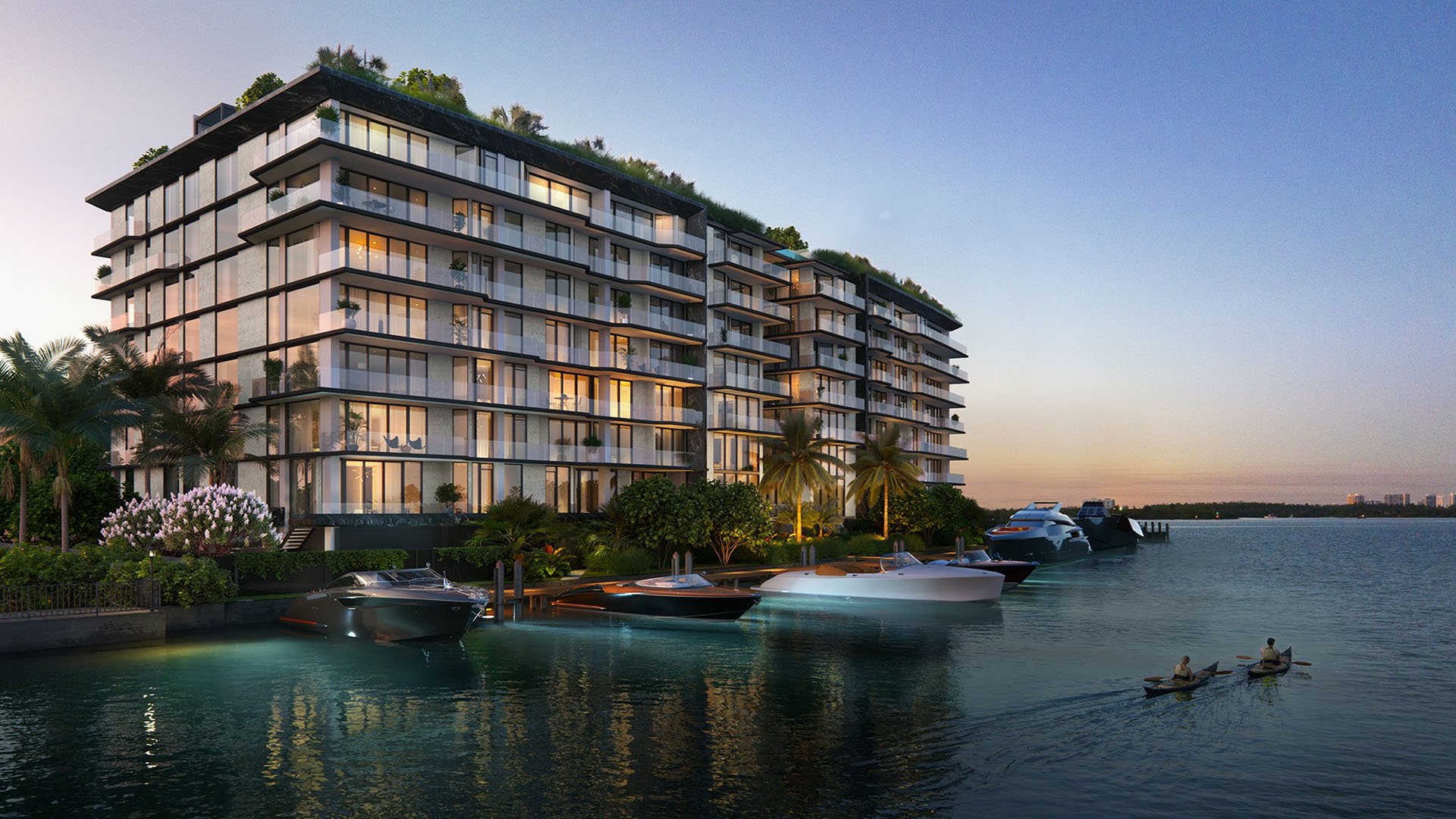
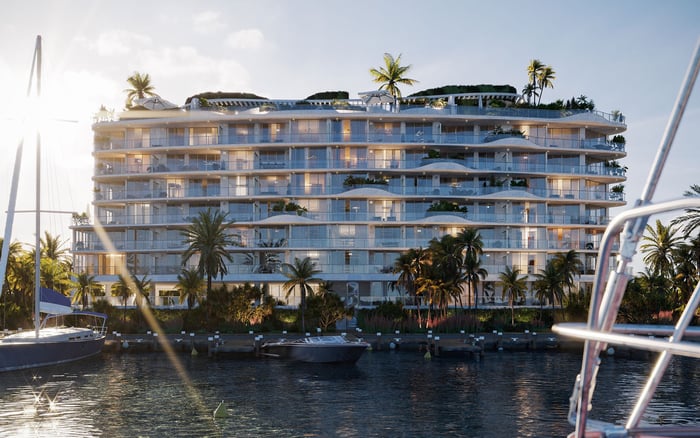
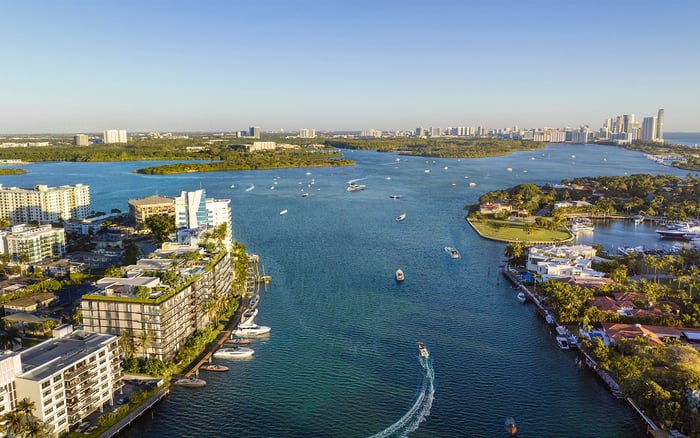
The appeal is immediate: a waterfront residence, a boat close at hand and weekends shaped by the water rather than the road. At Bay Harbor Towers, that vision begins with a marketed 13-slip private marina, an advertised boat-length range of approximately 35-50 feet and ocean access described through Haulover Inlet.
Those details open a boating conversation. They do not settle it. A marketed marina does not confirm that a particular residence carries docking rights, that a slip is available or that your chosen boat will be accepted.
The disciplined sequence is residence selection, building review, insurance and financing confirmation, written marina rights, closing, charter experience and, finally, vessel purchase. This is a recommended buying strategy, not a stated project requirement. It keeps two significant purchases from resting on untested assumptions.
Begin with a simple question: would you still want this home if boat ownership were delayed? Evaluate the layout, privacy, outdoor space and suitability for your intended use before allowing the marina to drive the purchase.
If Alana Bay Harbor Islands is also on your shortlist, apply the same residence-first test. Compare the homes against your residential priorities, then investigate boating arrangements separately. Nearby projects should not be treated as interchangeable.
Before committing, request association budgets, reserves, assessments, insurance information and engineering documents. Have your advisers identify any applicable milestone-inspection or Structural Integrity Reserve Study requirements and review the relevant documentation. Do not assume the building's obligations or compliance status.
The aim is to establish whether the residence works financially and practically without relying on a future boat purchase to justify it.
The 13-slip figure describes the marketed marina, not your entitlement to use it. Establish current availability, pricing, ownership structure, waitlist length and whether a particular residence includes marina rights directly and in writing.
Request the declaration, marina rules and proposed agreement. Determine whether a slip is deeded, assigned or leased; whether access is transferable; and what happens when the residence is sold. If there is a waitlist, ask how placement and allocation are documented.
Have counsel examine the proposed arrangement alongside the residential contract. If docking is essential to your decision, discuss how to address that requirement before committing to the residence.
For a buyer also considering La Maré Bay Harbor Islands, the comparison should turn on the same questions. A waterfront setting is no substitute for documented access rights at either property.
Homeownership and boating require separate risk reviews. For the residence, standard homeowners insurance does not cover flood damage. Flood and wind are distinct coverage questions, including when hurricane winds and rain cause flooding.
High-risk flood areas have at least a 1% annual chance of flooding. Flood coverage may be a mortgage condition in those areas, and some lenders may require it outside them as well. Confirm the property's designation and your lender's requirements rather than relying on a general neighborhood description.
Ask your insurance adviser to distinguish the association's coverage from the protection you need personally, including relevant limits, deductibles and exclusions. Obtain lender confirmation before closing so insurance requirements enter the acquisition budget rather than becoming a late adjustment.
Keep the vessel's insurance review separate. A satisfactory residential policy does not establish whether a future boat, its intended use or its storm arrangements will be acceptable to a marine insurer.
An advertised 35-50-foot range is a screening reference, not approval for a particular vessel. Before selecting a boat, submit its exact length overall, beam, draft, height and intended use for written acceptance.
A model designation is not a complete vessel specification. Ask how the marina measures length and whether equipment or appendages affect the permitted dimensions. Resolve those questions before placing a boat deposit that depends on this berth.
Ocean access through Haulover Inlet also requires a vessel-specific assessment. The advertised route does not establish draft limits or bridge clearances. Have a qualified marine professional assess the intended route against the boat's dimensions and your operating plans.
Verify shore power, freshwater, pump-out access and storm procedures directly. Ask about restrictions on charters, overnight stays, repairs and tenders. Do not assume that services advertised at another marina with a similar name are available here.
Once the residence has closed and the docking arrangement is documented, charter comparable boats through an independent operator before purchasing. This recommendation does not imply that Bay Harbor Towers offers an on-site charter service.
Use those outings to test the experience you want: ease of boarding, guest comfort, handling and the balance between time underway and time at anchor. A vessel that looks compelling during a viewing may not suit your preferred day on the water.
If Onda Bay Harbor remains part of your residential search, maintain the same distinction between choosing a home and choosing a boat. Neither decision should bypass due diligence on the other.
After chartering, return to the marina with the final vessel specifications. Treat written acceptance as a separate step from enjoying a comparable boat, and coordinate the purchase with appropriate marine advice.
Build a residential budget covering acquisition, association obligations, insurance and potential assessments. Separately, plan for boat acquisition, dockage, marine insurance, maintenance, fuel, haul-outs and hurricane preparation. Neither purchase price should obscure the continuing commitments.
Before closing, the essential questions concern the home's suitability, building documentation, financing, insurance and enforceable marina rights. After closing, the focus shifts to practical boating experience and approval of the exact vessel. If availability or approvals remain unresolved, defer the boat commitment rather than forcing the timetable.
That sequence preserves the pleasure of the idea while giving each purchase its own justification. The residence should be worth owning without a boat, and the eventual boat should suit both its owner and its confirmed berth.
For a discreet conversation about aligning your residence search with your boating plans, connect with MILLION.
If branded residences are on your mind — as a home or as an allocation — we would be glad to share what we are seeing, privately.
Begin a quiet conversationA residence-first sequence lets you review the home, financing, insurance and marina rights before committing to a vessel. It is a recommended strategy, not a stated project requirement.
The project is marketed with a 13-slip private marina. That figure does not establish current availability or a particular buyer's docking rights.
The advertised range is approximately 35–50 feet. Obtain written approval for the exact vessel's length overall, beam, draft, height and intended use.
An automatic entitlement has not been established. Review the declaration, marina rules and purchase documents to confirm whether the residence includes marina rights.
Determine whether the slip is deeded, assigned or leased and whether access transfers with a residence sale. Confirm any waitlist and allocation terms in writing.
The marina is described as providing ocean access through Haulover Inlet. Route-specific draft limits and bridge clearances still require vessel-specific assessment.
No, standard homeowners insurance does not cover flood damage. Review flood protection separately from wind coverage and confirm your lender's requirements.
Yes, some lenders may require flood insurance outside designated high-risk areas. Obtain confirmation for your specific property and loan.
Confirm shore power, freshwater, pump-out access and storm procedures directly. Also review restrictions on charters, overnight stays, repairs and tenders.
Chartering comparable boats can help you test handling, boarding and guest comfort before committing. Arrange this independently; an on-site charter operation at Bay Harbor Towers is not established.