Before closing near Bay Harbor Towers, yacht owners should verify the legal, physical, operational, and financial terms of any proposed dockage arrangement.
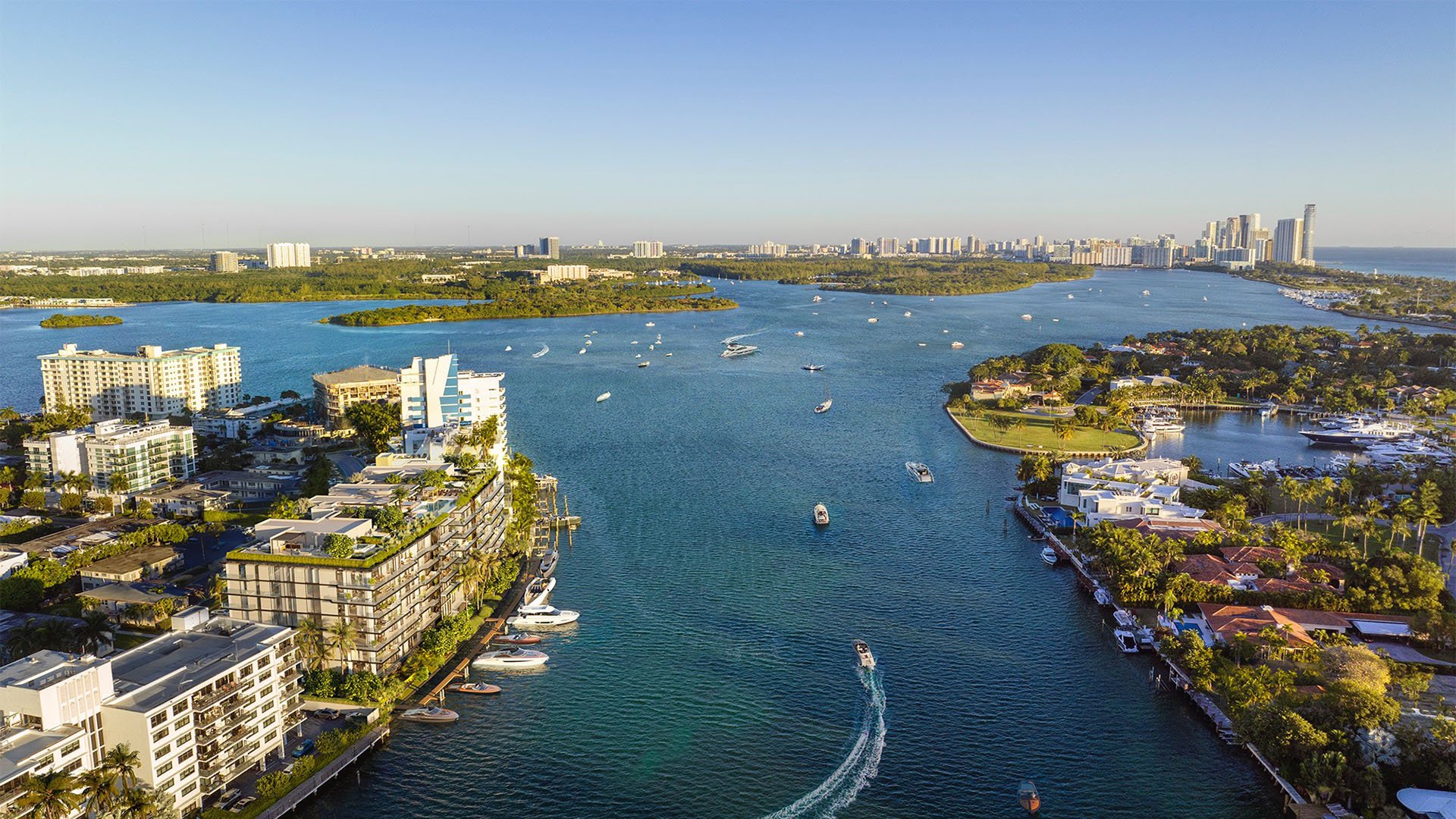
A buyer considering Bay Harbor Towers should not treat nearby water access, a marina reference, or a dockage representation as proof of a legal right to keep a yacht in a particular berth. The controlling agreements must explain what the buyer receives and under what conditions.
This distinction matters because access can take different legal and operational forms. A berth might be associated with a residence, governed through a separate agreement, subject to assignment, or unavailable to a particular buyer. The transaction file should resolve that uncertainty before closing.
The buyer’s attorney should determine whether the proposed arrangement is deeded, assigned, leased, licensed, or documented through another enforceable instrument. The paperwork should identify the relevant slip and explain whether the right transfers with the residence, requires approval, can be transferred separately, or carries additional charges.
The purchase contract, condominium documents, marina agreement, rules, and recorded instruments should be reviewed together. If marketing language and binding documents differ, the buyer should seek clarification in writing rather than rely on an informal representation.
The same discipline applies when comparing nearby residential options such as Onda Bay Harbor. Waterfront positioning alone does not establish a buyer’s dockage rights.
Length is only one part of yacht compatibility. The owner, captain, or marine adviser should compare the vessel’s length, beam, draft, boarding configuration, and maneuvering requirements with the specific slip and its approach.
The physical review can also consider pilings, fenders, lifts, tenders, fairway space, turning room, and any practical constraints affecting entry or departure. An in-person inspection helps determine whether the berth described in the documents corresponds with the space being offered.
Buyers evaluating La Maré Bay Harbor Islands should use the same vessel-specific method whenever dockage is part of the decision.
A dockage review should address both waterside and landside access. The buyer’s marine adviser can assess the intended route for the specific yacht, while legal counsel can examine any easements or agreements relevant to reaching, using, and servicing the berth.
Buyers should request written information about available utilities and permitted equipment. Depending on the proposed arrangement, relevant subjects may include shore power, freshwater service, lifts, tender storage, electrical systems, dock maintenance, repairs, insurance requirements, guest-vessel rules, and storm procedures.
These points should be verified rather than assumed. The existence, condition, availability, and permitted use of any service or equipment can affect whether a berth is practical for a particular yacht.
Before closing, the buyer should identify recurring charges, transfer costs, approval requirements, use restrictions, and responsibility for maintenance or repairs. Any separate marina agreement should be reviewed alongside the residential purchase documents.
A final comparison should align the slip identifier, physical condition, access, services, legal rights, costs, and transfer terms. Material promises should be incorporated into the applicable written agreements.
When comparing Alana Bay Harbor Islands or other South Florida residences, buyers should distinguish a water-oriented setting from a documented, vessel-compatible dockage arrangement.
Does buying a residence automatically provide a marina slip? Not necessarily. The closing documents should expressly identify any berth and the legal basis for using it.
Which documents should address dockage rights? Review the purchase contract, condominium documents, marina agreement, rules, and relevant recorded instruments.
Why does the legal form of the berth matter? It can affect use, transferability, approvals, charges, and whether the dockage right remains connected to the residence.
Is yacht length enough to determine whether a slip works? No. Beam, draft, pilings, boarding arrangements, maneuvering space, and approach conditions can also matter.
Who should inspect the proposed berth? The owner may involve a captain or qualified marine adviser to compare the physical berth with the yacht’s specifications and operating needs.
What marina services should a buyer investigate? Buyers can ask about shore power, freshwater service, permitted equipment, tender arrangements, maintenance, and repairs.
Should the intended boating route be reviewed? Yes. A vessel-specific review can consider the intended route and practical navigation conditions without relying on general marketing language.
What costs may require clarification? The buyer should investigate recurring charges, transfer costs, approval-related expenses, and allocated maintenance or repair obligations.
Are verbal dockage promises sufficient? Material representations should appear in the applicable written agreements and remain consistent across the closing file.
What should happen before the buyer closes? The buyer should reconcile the legal right, berth identity, vessel fit, access, services, rules, costs, and transfer terms.
If you'd like a private walkthrough and a curated shortlist, connect with MILLION.
If branded residences are on your mind — as a home or as an allocation — we would be glad to share what we are seeing, privately.
Begin a quiet conversation