A disciplined Palm Beach winter purchase begins with jurisdiction, rental rights, association documents, renovation timing, and the transferability of those rights at resale.
A winter purchase around Palm Beach is often framed by views, privacy, service, and proximity. Yet the more consequential questions may be less visible: whether the home can be leased, how often tenants may occupy it, when renovations may occur, and whether today’s rental privileges will survive a future sale.
The first discipline is to define one primary objective. A seasonal retreat, an occasionally used family residence, and an income-oriented property are not interchangeable. A home can be superb for lifestyle purposes while offering limited investment flexibility. Buyers who establish their intended use before touring can evaluate municipal rules, condominium documents, and deed restrictions against a clear standard rather than an abstract notion of optionality.
In Palm Beach, the most valuable flexibility is the flexibility confirmed in writing.
The Town of Palm Beach, City of West Palm Beach, Village of North Palm Beach, and unincorporated Palm Beach County should not be treated as a single regulatory environment.
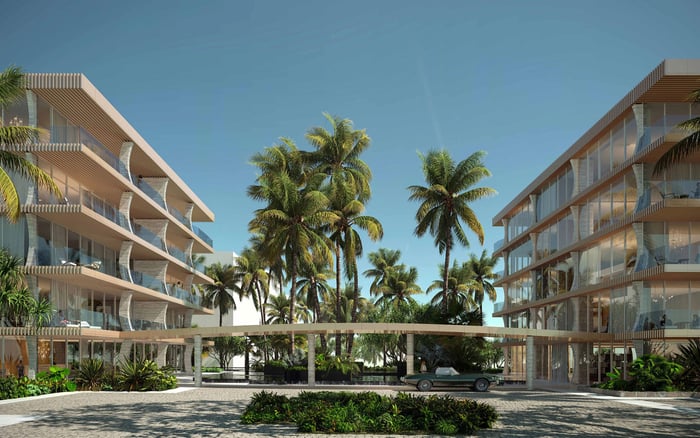
The Town of Palm Beach strictly prohibits short-term rentals, including Airbnb-style stays. It allows long-term rentals when only one property is being rented, but a buyer should confirm that the contemplated structure qualifies before relying on anticipated rent. This distinction is particularly important for purchasers comparing an island residence, such as Palm Beach Residences, with alternatives across the water.
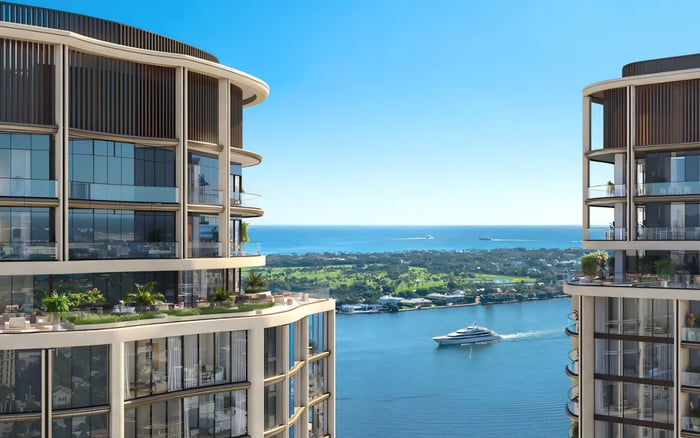
West Palm Beach follows a separate framework. Rental units require a license and inspection. An owner considering short-stay activity should also verify zoning, the required Business Tax Receipt, Certificate of Use, and applicable tax obligations before operating. Those requirements should be evaluated separately from a building’s private leasing rules. Buyers exploring options such as Forté on Flagler West Palm Beach should therefore ask two parallel questions: What does the city permit, and what does the condominium permit?
Unlike the Town of Palm Beach, North Palm Beach allows short-term vacation rentals in residential zoning districts. Registration and inspection are required, and renting more than three times annually for periods of less than 30 days can trigger vacation-rental regulations. In unincorporated Palm Beach County, separate code and noise provisions apply, with sound limits varying by time of day and, historically, by urban or rural location.
Municipal permission never overrides recorded condominium restrictions. A city may allow a rental model while a declaration, amendment, or current leasing rule prohibits it. Lease minimums, annual rental caps, waiting periods, tenant approval procedures, and limits on rental frequency are governed by each condominium’s documents rather than a single statewide standard.
Before making an offer, obtain the recorded declaration and every amendment affecting leasing, occupancy, transfers, and use. Request the current leasing rules, application procedures, approval timelines, and written confirmation of the unit’s rental history. A board generally cannot create a rental prohibition on its own if the governing documents do not authorize that restriction, but informal descriptions of policy cannot replace a review of the controlling language.
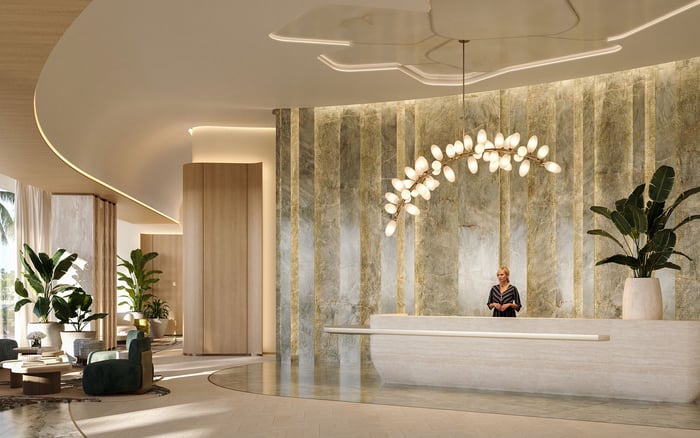
The same diligence applies when considering The Ritz-Carlton Residences® West Palm Beach or any other luxury condominium. Brand, service model, and presentation do not answer the legal question of lease eligibility. Counsel should determine which documents control, whether amendments were properly adopted, and whether discretionary approvals could affect the intended use.
Winter is not simply Palm Beach’s social season. It is also a distinct operating period for construction. From December through April, the Town generally limits construction and lawn-maintenance work to between 8:00 a.m. and 5:00 p.m. Heavy-equipment and other outdoor construction-related noise is not permitted before 9:00 a.m. during the winter season.
The calendar tightens further at year-end. Construction and lawn-maintenance work is prohibited from December 24 through January 1, subject to limited exceptions. A purchaser planning demolition, exterior work, landscaping, or a substantial interior program should account for these limits before choosing a closing date, promising a move-in date, or arranging seasonal occupancy.
Noise diligence should extend beyond the subject home. Ask about approved work in neighboring units, nearby properties, common areas, and surrounding streets. Review association construction procedures, contractor access rules, elevator reservations, and any building-specific work windows. Municipal hours create the outer framework; association rules may impose another layer.
Resale analysis should distinguish between a right held by the current owner and one that transfers to the next buyer. Under Florida condominium law, an amendment that prohibits rentals, changes permitted lease duration, or limits rental frequency generally applies only to owners who consent and buyers who acquire title after the amendment takes effect.
That framework can create grandfathered rights for a current nonconsenting owner. Those privileges may not transfer at resale because the purchaser can become subject to an amendment that did not bind the seller. Amendment dates and the seller’s acquisition date are therefore central to determining both present rentability and future marketability.
A buyer comparing residences, including South Flagler House West Palm Beach, should request a written chronology identifying title acquisition, relevant amendment effective dates, owner consent where applicable, rental history, and the rules expected to bind a new purchaser. Clear, transferable rights can widen the future buyer pool. Personal exceptions or ambiguous grandfathering can narrow it.
Some luxury properties also carry deed restrictions addressing land use, exterior changes, rentals, structural additions, and landscaping beyond ordinary municipal requirements. These restrictions matter for single-family estates as well as condominiums and should be included in the title and land-use review.
A refined offer is not merely about price. It creates sufficient time and access to confirm the property’s practical use. The review should cover jurisdiction, zoning where relevant, rental licensing, the declaration and amendments, deed restrictions, association approvals, tenant-screening procedures, construction rules, and the unit’s documented leasing history.
For a second-home buyer, the central question may be whether family use and occasional leasing can coexist. For an investment buyer, it may be whether minimum terms, annual caps, and approval procedures support the intended income pattern. For an owner planning immediate improvements, winter work windows and the holiday blackout may be decisive.
The strongest purchase decision aligns legal use, seasonal enjoyment, renovation timing, and resale appeal. In a market defined by discretion, clarity is itself an amenity.
For private guidance on selecting a Palm Beach residence aligned with your ownership goals, connect with MILLION.
If branded residences are on your mind — as a home or as an allocation — we would be glad to share what we are seeing, privately.
Begin a quiet conversationNo. The Town of Palm Beach strictly prohibits short-term rentals, including Airbnb-style stays.
Long-term rentals are allowed when only one property is being rented, but buyers should confirm that their intended structure qualifies.
Rental units require a rental license and inspection. Short-stay operators should also verify zoning, business, use, and tax requirements.
Yes, they are allowed in residential zoning districts, subject to registration, inspection, and applicable vacation-rental regulations.
Yes. Municipal permission does not override recorded condominium restrictions, so both layers must permit the intended use.
Review the declaration, every relevant amendment, current leasing rules, application procedures, and the unit’s written rental history.
From December through April, construction and lawn-maintenance work is generally limited to 8:00 a.m. through 5:00 p.m.
Heavy-equipment and other outdoor construction-related noise is not permitted before 9:00 a.m. during the winter season.
Palm Beach prohibits construction and lawn-maintenance work from December 24 through January 1, subject to limited exceptions.
Not necessarily. A future buyer may be subject to an amendment that did not bind the current nonconsenting owner.