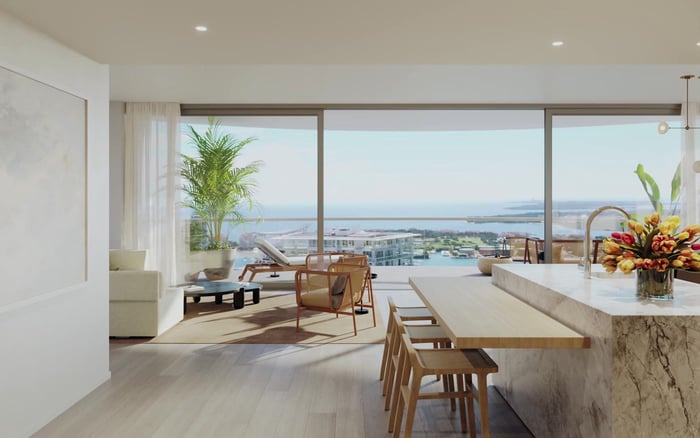
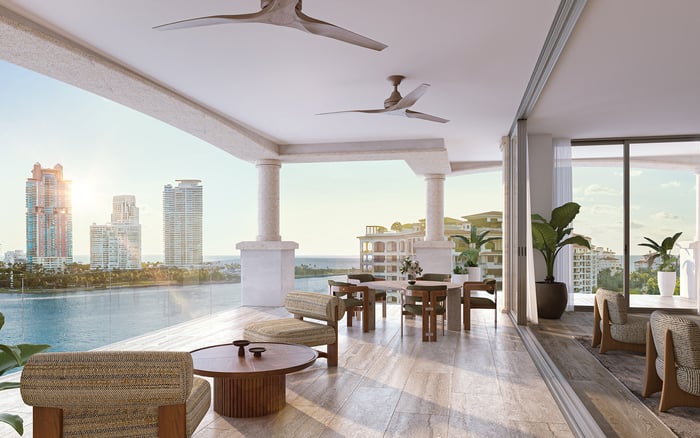
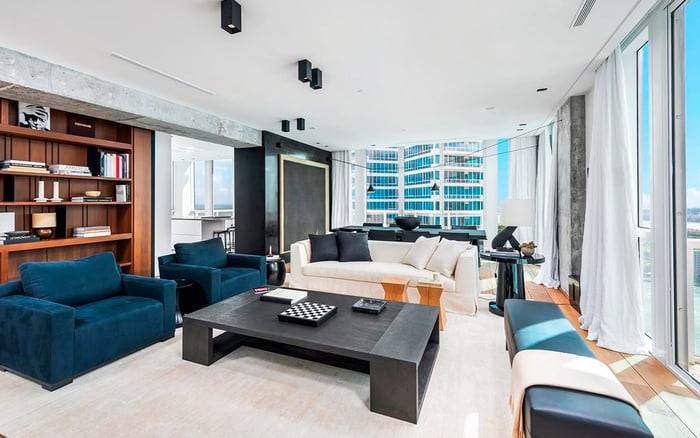
Boat-show week can help collectors evaluate a Miami residence under demanding conditions. Due diligence should cover access, the complete dock-to-unit route, written moving requirements, freight-elevator scheduling, staging options, and climate-control continuity.
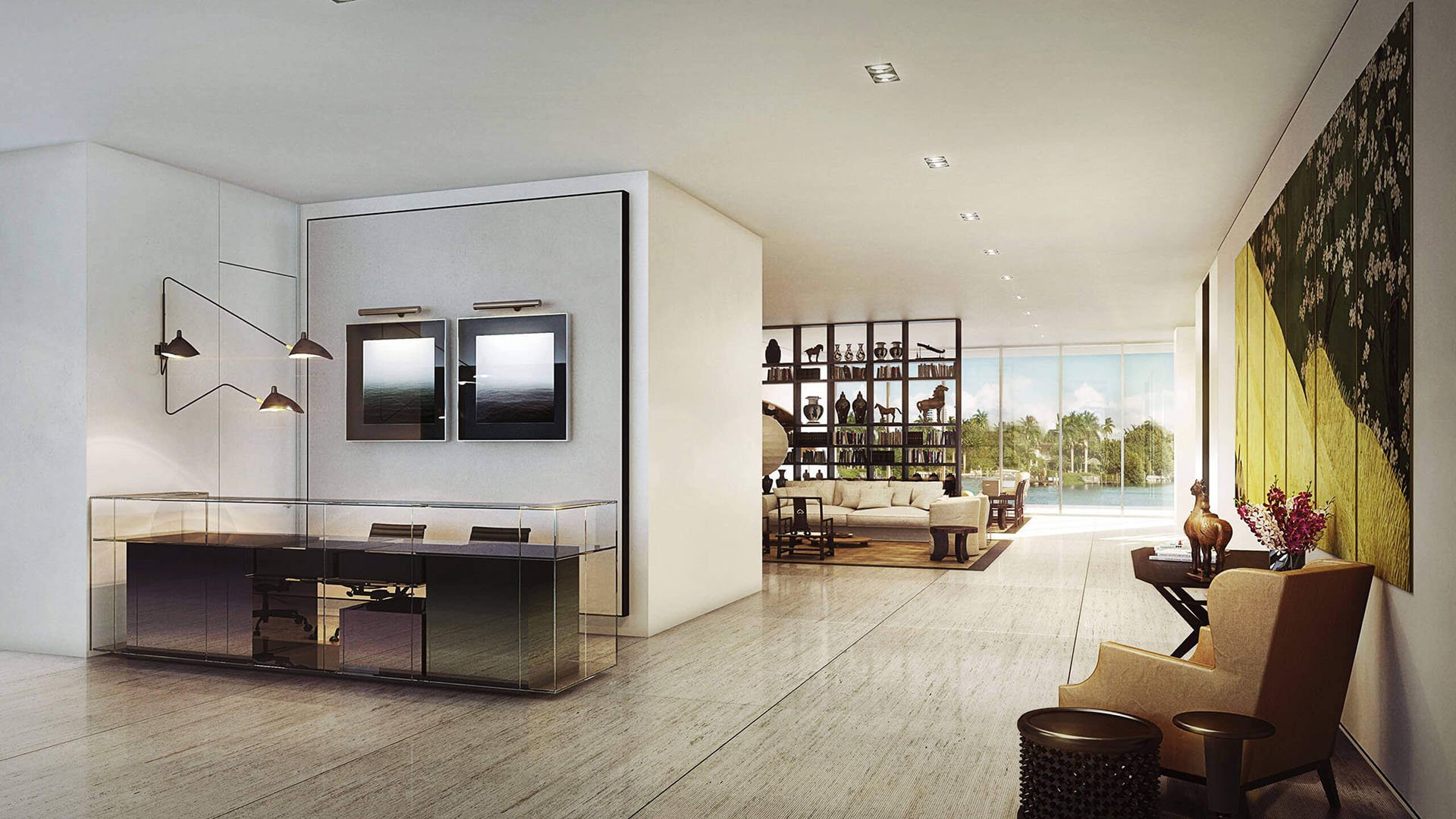
A busy event week can provide a useful setting for evaluating how a prospective Miami residence handles traffic, curb activity, loading access, and requests to building management. Visit at the time an art truck would be expected to arrive, then document the practical questions that require written answers.
This operational review can inform comparisons among options such as Aston Martin Residences Downtown Miami and Aria Reserve Miami. Location and views may shape a search, but collection logistics should be assessed separately for each building.
Do not evaluate an art move from elevator dimensions alone. Compare the collection’s largest crate with every part of the proposed route, including loading access, elevator doors and cab, corridors, ceilings, turns, residence doorways, and the final installation area.
An art handler can inspect the route during due diligence and identify where unpacking, surface protection, specialized equipment, or an alternative transfer method may be needed. Any proposed approach should be confirmed with building management before a delivery is scheduled.
The same process applies when considering The Residences at 1428 Brickell or The Ritz-Carlton Residences® Miami Beach. Project information does not replace current, building-specific confirmation.
Ask management for the current written requirements governing large deliveries and moves. Review permitted hours, reservation procedures, notice periods, deposits, blackout dates, vehicle restrictions, weekend availability, insurance documentation, and required protection for common areas.
If a Certificate of Insurance is required, obtain the building’s exact instructions and give them to the art handler. Also ask whether the freight elevator can be reserved for controlled use during the installation window and what happens if a crew exceeds its allotted time.
Request written details about required floor, wall, doorway, and elevator protection. Confirm who must install and remove protective materials, when management conducts inspections, and how responsibility for damage is documented.
These requirements can affect staffing, setup time, equipment, and cost. The art handler should review the building’s current packet before accepting a delivery date or finalizing the move plan.
A staged delivery may be useful when event traffic, building access, construction, or installation readiness creates uncertainty. Before selecting a South Florida fine-art facility, verify its current environmental controls, monitoring, insurance coordination, handling procedures, security, backup systems, and release process.
A phased plan can separate shipment receipt, condition review, building preparation, and final installation. The buyer, art handler, insurer, storage provider, and building manager should agree on responsibilities before the work moves.
Environmental needs differ by medium, condition, framing, and display location. A qualified conservator should establish appropriate temperature and humidity targets for the collection rather than relying on a universal setting.
During residential due diligence, review HVAC zoning, environmental monitoring, alerts, sunlight exposure, glazing, response procedures, and recovery planning. Ask in writing which residential systems and elevators, if any, remain available during a power interruption.
For sensitive works, professional storage paired with a rotating residential display may be worth considering. The decision should reflect the conservator’s guidance, the residence’s documented capabilities, and the owner’s risk tolerance.
Before the contingency period closes, measure the route, collect current building rules, and review the proposed sequence with the art handler. The plan should address staging, arrival, loading access, common-area protection, elevator use, installation, environmental stabilization, and contingency procedures.
A residence should be evaluated not only for design and setting, but also for whether its documented operations support the collection and the owner’s preferred level of coordination.
Why inspect a residence during boat-show week? A demanding event week can help a buyer observe access, curb activity, loading conditions, and management responsiveness before making a decision.
What should be measured before purchasing? Measure the largest crate against every stage from loading access to the final installation area, including doors, elevators, corridors, ceilings, and turns.
Can large artwork use a passenger elevator? Do not assume it can. Request the building’s current written delivery and elevator rules before planning the move.
What should a move-in or delivery packet cover? It should clarify scheduling, notice, deposits, insurance documents, vehicle limits, common-area protection, inspections, and applicable restrictions.
How early should a freight elevator be reserved? Lead times vary by building, so confirm the current requirement in writing before setting a delivery date.
Why involve an art handler during due diligence? An art handler can assess the route, equipment needs, unpacking strategy, staffing, and compatibility with building procedures.
When can off-site staging help? Staging can separate shipment receipt from final installation when access, scheduling, construction, or residence readiness remains uncertain.
How should climate targets be selected? A qualified conservator should define suitable conditions based on each work’s medium, condition, framing, and display environment.
What outage questions should a buyer ask? Ask which residential systems and elevators remain available during an interruption and how management communicates recovery procedures.
What should be completed before the contingency period ends? Obtain written rules, measure the route, review the plan with the art handler, and resolve access, protection, staging, installation, and climate-control questions.
For a discreet conversation and a curated building-by-building shortlist, connect with MILLION.
If branded residences are on your mind — as a home or as an allocation — we would be glad to share what we are seeing, privately.
Begin a quiet conversation