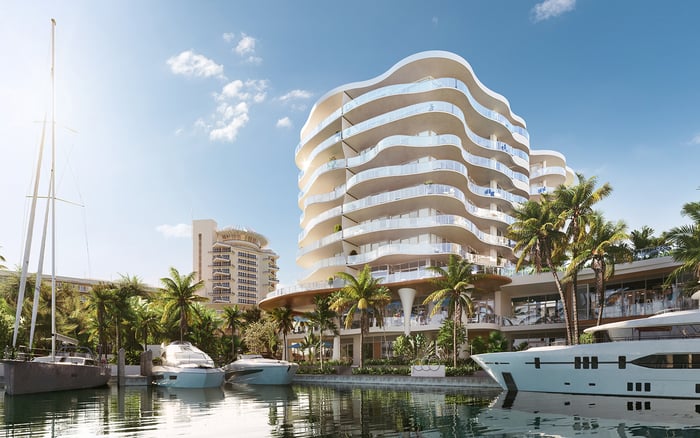
A practical Fort Lauderdale property guide focused on evaluating marina access, crew logistics, provisioning, dockage, and show-period mobility without relying on a single measure of proximity.
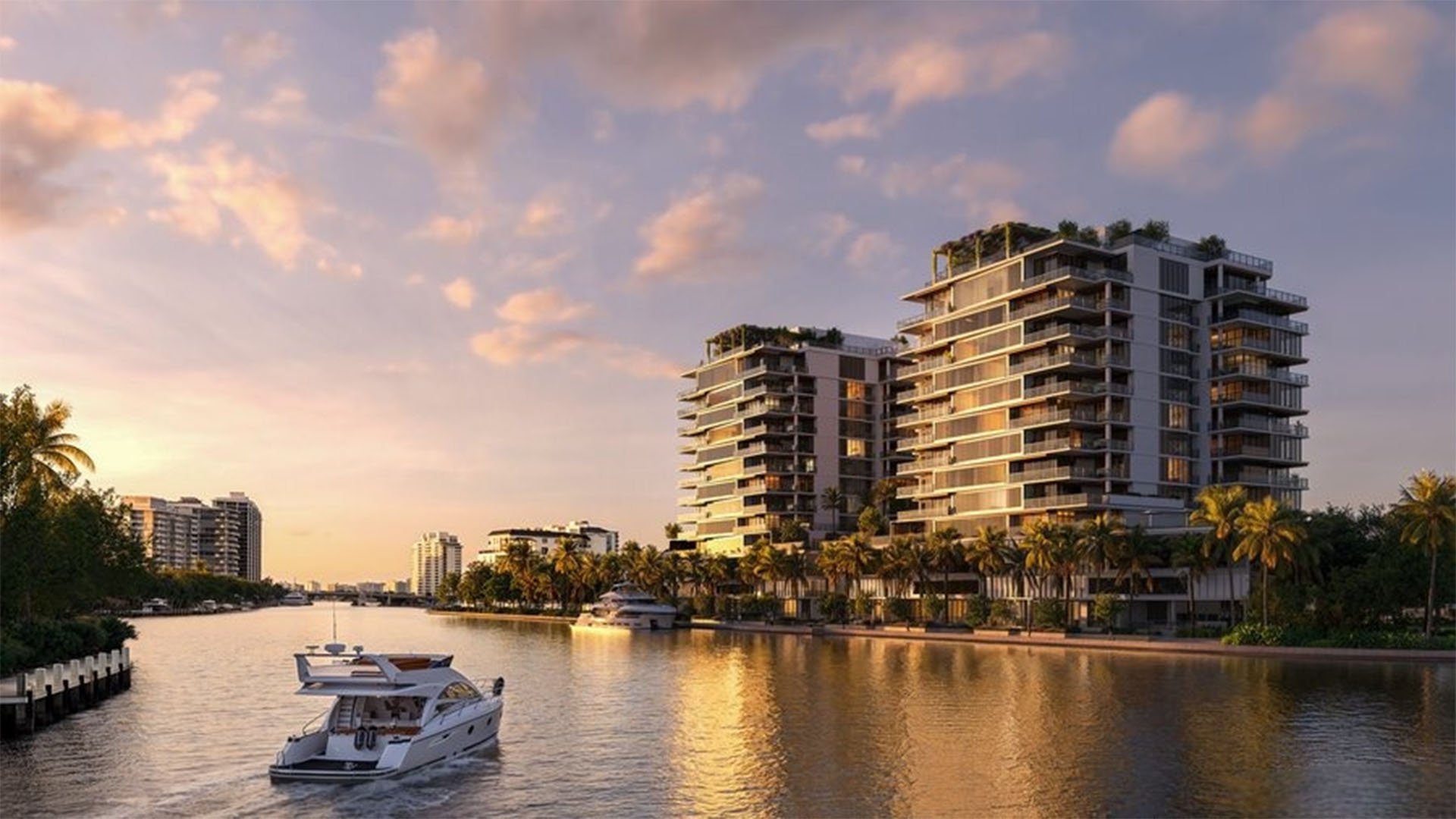
Buying around the Fort Lauderdale International Boat Show calls for more than measuring distance to the event. A residence should support the owner’s preferred routine, whether that involves reaching displays, coordinating crew, transferring by tender, receiving provisions, or managing guests during a busy period.
Start by defining which activities matter most and when they occur. An address that suits an occasional attendee may not serve an owner who regularly coordinates yacht operations, vendors, deliveries, and crew movements.
Beach-oriented ownership may appeal to buyers who prioritize the coastal setting and access to show-related activity. St. Regis® Residences Bahia Mar Fort Lauderdale and Four Seasons Hotel & Private Residences Fort Lauderdale provide relevant residential reference points for this type of search.
The due-diligence question is whether that convenience remains practical when traffic, access controls, visitor arrivals, and service needs affect the schedule. Buyers should test expected travel times and entry procedures rather than assume that geographic proximity guarantees effortless movement.
A Las Olas-area search may suit an owner who wants to balance residential life with access to the waterfront. Sixth & Rio Fort Lauderdale offers an additional Fort Lauderdale comparison for buyers assessing that balance.
For any property connected to a boat-first routine, verify the actual water route rather than relying on a map alone. Dock dimensions, controlling depth, bridge clearance, tender handling, security procedures, and applicable use restrictions can determine whether a residence supports the intended vessel and itinerary.
Crew logistics should be considered alongside finishes, views, and amenities. Review how crew members would reach the residence or marina, where vehicles could wait, how luggage and equipment would move through the property, and whether service access is separated from resident circulation.
A practical review should also cover parking permissions, building access, loading procedures, contractor rules, and backup transportation. These details should be confirmed directly with the relevant building, association, marina, and service providers because procedures may change.
Provisioning requires a complete path from vendor arrival to final handoff. Buyers should examine vehicle staging, loading access, elevator dimensions, service corridors, refrigeration needs, dock access, and any limitations on delivery times or vendor entry.
The same review applies when provisions move through a commercial marina rather than a private residence. Confirm delivery appointments, identification requirements, cart access, storage options, dock rules, and responsibility for receiving goods before relying on a particular workflow.
For private dockage, confirm dimensions, water depth, bridge constraints, shore power, security, tender storage, maintenance access, and permitted uses. Obtain the applicable documents and professional assessments instead of relying solely on marketing descriptions or visual inspection.
For marina-based operations, verify vessel compatibility, reservation terms, service access, delivery procedures, and any temporary restrictions that could affect the intended schedule. Owners should also review the landside plan for guests, crew, vendors, and emergency changes.
Finally, conduct a real-world test of the preferred routine. Trace the route between the residence, intended dockage, provisioning points, and relevant event access points at comparable times, then prepare alternatives for delays or changed operating conditions.
What should buyers prioritize when choosing a residence around FLIBS? They should prioritize the operating pattern the property must support, including personal access, crew movement, dockage, deliveries, and guest logistics.
Is the closest residence always the most practical choice? No. Actual routes, access procedures, service circulation, and transportation contingencies may matter more than straight-line distance.
What should be checked before relying on a private dock? Verify dock dimensions, water depth, bridge constraints, shore power, security, permitted uses, and access for maintenance or deliveries.
Can a tender be the primary transportation plan? It can be considered, but feasibility should be confirmed through the precise water route, vessel requirements, dock access, and backup arrangements.
Why should crew logistics affect the property search? Crew parking, entry procedures, equipment movement, and service access can determine whether daily operations remain efficient.
What should buyers review for provisioning? Review vendor entry, vehicle staging, loading areas, elevators, service corridors, refrigeration needs, dock access, and delivery restrictions.
How should buyers evaluate a condominium for yacht-related use? They should examine association rules, security protocols, loading procedures, contractor policies, storage options, and service circulation.
What should be confirmed with a commercial marina? Confirm vessel compatibility, reservation terms, service access, delivery procedures, identification requirements, and temporary restrictions.
Why is a backup transportation plan important? Delays, access changes, or operating restrictions can disrupt the preferred route, so owners should identify practical alternatives in advance.
When should operating details be reconfirmed? Reconfirm them before a purchase decision and again before the relevant event period because building, marina, and transportation procedures may change.
If you'd like a private walkthrough and a curated shortlist, connect with MILLION.
If branded residences are on your mind — as a home or as an allocation — we would be glad to share what we are seeing, privately.
Begin a quiet conversation