A buyer-focused framework for evaluating race-week guest arrivals, building security, transportation planning, and public-area circulation around the Formula 1 Miami Grand Prix.
For a South Florida luxury buyer, distance from a residence to the Formula 1 Miami Grand Prix is only the first part of the analysis. More revealing questions concern how guests enter the building, where a driver may collect or drop off passengers, how visitors move through event security, and whether the return journey remains manageable during peak demand.
A residence that appears convenient on a map may still require careful coordination. Another property may offer a more practical experience because its arrival sequence, garage access, staffing procedures, and transportation alternatives are easier to manage. The useful measure is the complete journey from the private residence to the assigned event entrance and back.
The useful measure is the complete journey from the residence to the event entrance and back.
Owners should not treat registration as a single step. Building guest registration, event admission, transportation arrangements, parking permissions, and any locally required access documents may involve separate procedures. Buyers should verify each requirement directly with the relevant building, transportation provider, or event operator before race weekend.
During property due diligence, ask management how visitor names are submitted, whether identification is checked, how late changes are handled, and where chauffeured vehicles may wait. It is also worth clarifying whether the garage, loading area, service entrance, or valet operation follows a different process during major events.
Buyers considering Avenia Aventura can apply the same framework used for any Aventura residence: evaluate the route to the event separately from the building’s private arrival protocol. A convenient transfer does not compensate for an unclear guest procedure, and an efficient lobby cannot resolve an incomplete event plan.
A concise guest brief can reduce confusion before departure. It should identify the confirmed admission credential, transportation plan, approved arrival point, expected walking component, meeting location, and return arrangement. Any current event guidance concerning bags, identification, accessibility, or screening should be checked before the brief is distributed.
The residential side deserves equal attention. Guests should know the building name, the correct entrance, the host’s preferred contact method, and any instructions supplied by management. If a driver is involved, the driver should receive only confirmed staging and pickup information rather than relying on an improvised curbside plan.
The strongest hosting plan also includes a fallback. A delayed vehicle, changed meeting point, or separated group should not leave visitors uncertain about whom to contact or where to wait. Buyers who entertain frequently should consider whether the residence supports this level of coordination without placing every operational detail on the owner.
Race-week transportation should be assessed as a sequence rather than a single drive. The chain may include departure from the residence, garage release, road travel, a transfer or drop-off, walking, security screening, and movement through public areas. The return can involve the same steps under heavier demand and with guests who are tired or unfamiliar with the area.
A route from Miami Beach or Sunny Isles Beach should therefore be judged by resilience, not simply by apparent distance. Buyers comparing Setai Residences Miami Beach with Bentley Residences Sunny Isles should test realistic departure and return scenarios while confirming current transportation information for the applicable event.
Ask practical questions. Can a driver leave the property without delay? Is there a clear contingency if the preferred pickup point becomes impractical? Can guests manage the walking portion comfortably? Is the return plan understandable without household staff accompanying the group? The answers reveal more about event usability than a mileage comparison alone.
Building security and event security serve different purposes. A residence may require advance visitor details or identification, while the event may maintain its own admission and screening procedures. Neither process should be assumed to satisfy the other.
Before hosting, confirm the building’s current visitor policy and review the event operator’s current guidance. Guests should avoid bringing items unless their acceptability has been verified. Any accessibility need should also be addressed in advance through the appropriate official process rather than left for arrival.
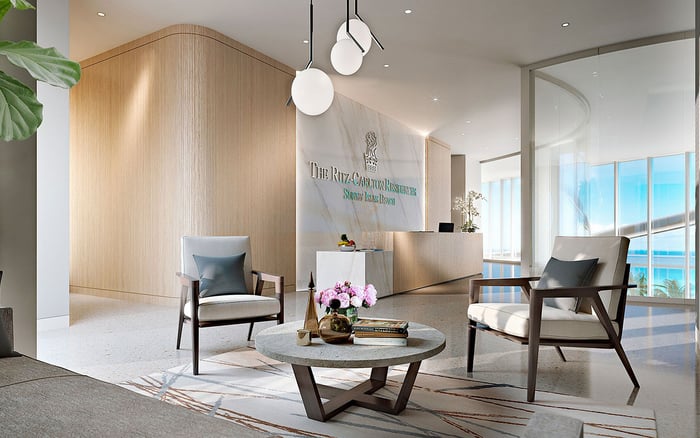
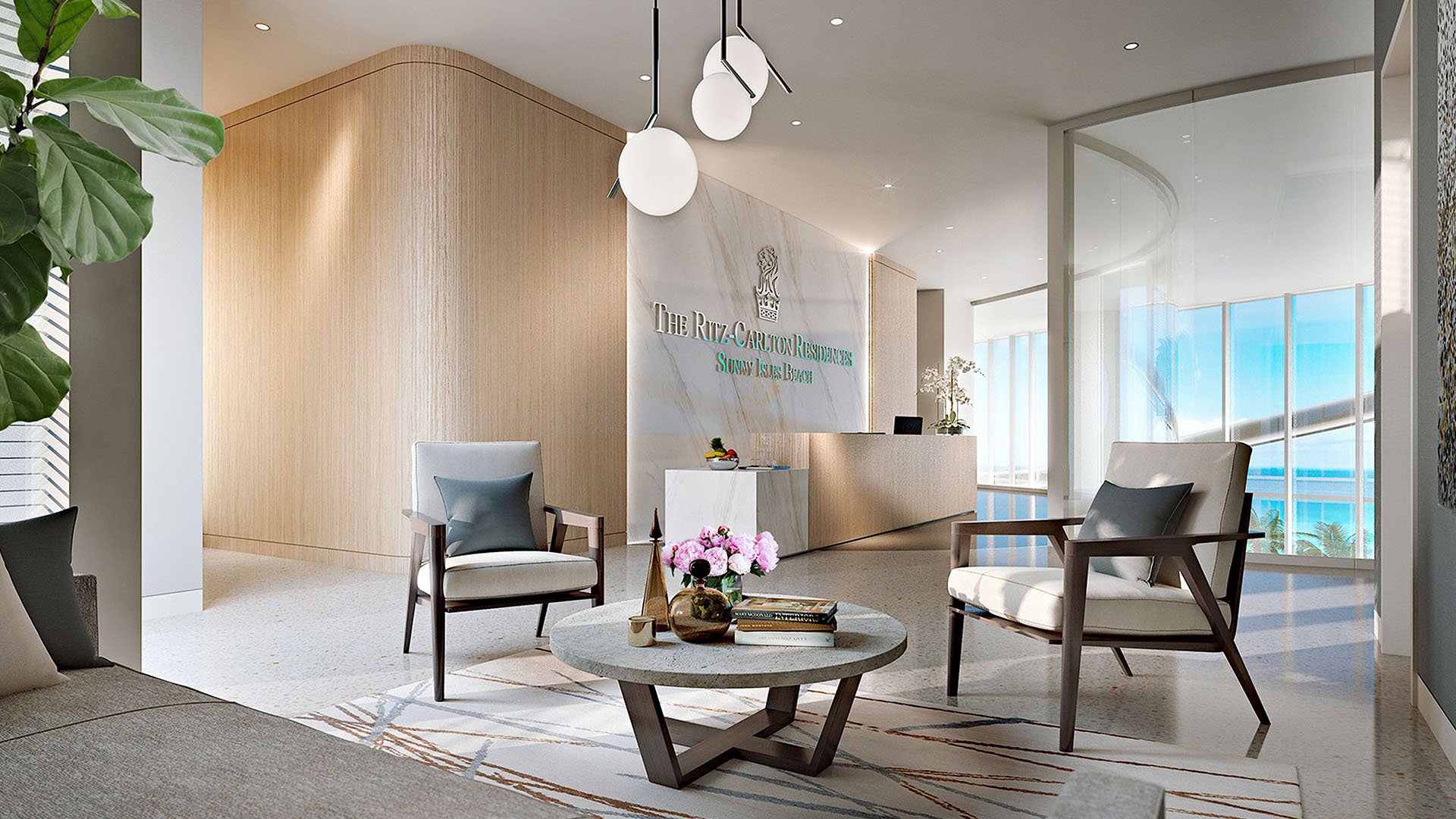
For buyers, the important question is how well the private and public stages fit together. A polished lobby experience matters, but so do clear communications, an understandable handoff to transportation, and a return procedure that does not depend on guesswork.
Public circulation should be evaluated independently from restricted or operational areas. Hosts should plan around confirmed public entrances, meeting points, and pedestrian routes. A guest credential should never be treated as permission to use an unconfirmed shortcut or service route.
Walking conditions also deserve attention. Consider weather exposure, footwear, hydration, visibility, and the needs of children, older guests, or anyone with limited mobility. These factors can affect the quality of the outing even when the vehicle journey is well organized.
The same review applies to One Park Tower by Turnberry North Miami or another residence being considered as a seasonal base. Buyers should ask whether the property’s location creates dependable convenience or merely places the household closer to event-related activity.
A useful purchase review models the owner’s departure, an independent guest arrival, and the group’s return. Examine lobby registration, elevator access, garage procedures, transportation handoffs, pedestrian movement, security, and pickup contingencies. Where a procedure is unclear, request current guidance rather than assuming how the building will operate.
This exercise can also reveal whether the residence suits the buyer’s broader lifestyle. Frequent hosts may prioritize a legible entrance, responsive management, practical vehicle circulation, and enough flexibility to coordinate several arrivals. Buyers who prefer a quieter routine may weigh race-week activity differently.
The best event-oriented residence is not automatically the nearest. It is the property whose private access, guest procedures, transportation choices, and public circulation can be coordinated with confidence.
For discreet guidance on selecting a South Florida residence suited to daily life and major-event hosting, connect with MILLION.
If branded residences are on your mind — as a home or as an allocation — we would be glad to share what we are seeing, privately.
Begin a quiet conversationNo. Buyers should also assess building access, transportation handoffs, walking, security, and the return journey.
No. Building access and event admission should be confirmed separately with the appropriate parties.
Include confirmed credentials, transportation details, the arrival point, walking expectations, a meeting location, and the return plan.
Ask about visitor registration, identification checks, garage access, valet operations, driver waiting areas, and late guest changes.
The return may involve different demand, pickup conditions, and guest needs than the outbound trip.
Compare the full transfer plan and its contingencies rather than relying only on apparent distance.
No. Guests should review current official event guidance before departure.
Guests need a clear plan for confirmed entrances, pedestrian routes, meeting points, and transportation handoffs.
Consider walking exposure, weather, footwear, visibility, and the needs of children, older guests, or guests with limited mobility.
It can test guest registration, building communications, vehicle circulation, transportation coordination, and the practicality of returning home.