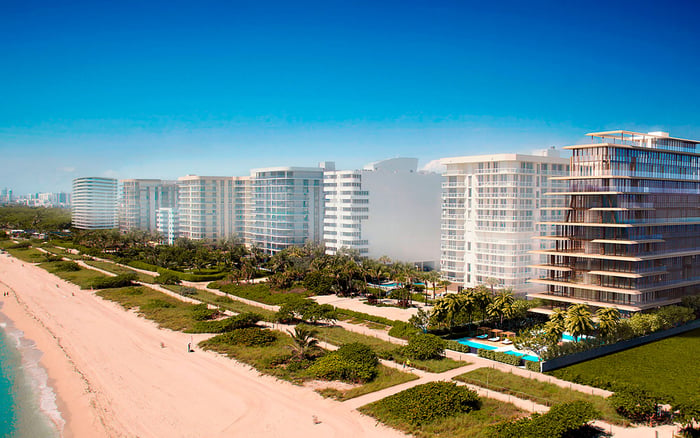
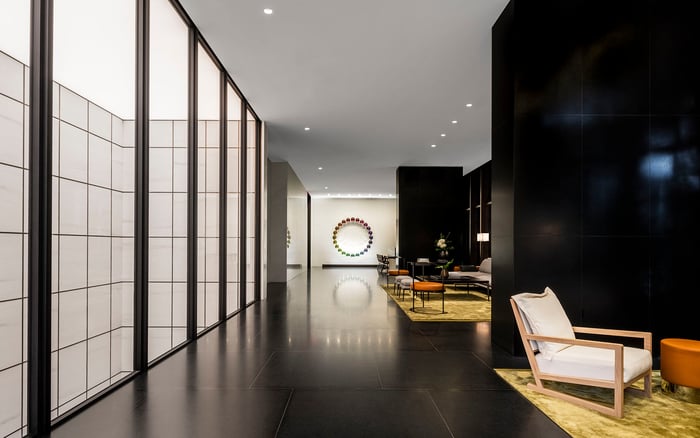
A considered two-city life requires two distinct climate strategies and one clear chain of responsibility. For owners dividing their time between Zurich and Surfside, humidity control, immediate leak response, and carefully delegated authority are essential parts of protecting a residence during long absences.

The pleasure of dividing life between Zurich and Surfside lies in the contrast: different seasons, different surroundings, and two homes that should feel equally ready on arrival. Preserving that ease takes more than departure housekeeping. Each residence needs a climate plan, a local responder, and clear authority to act while the owner is elsewhere.
For a buyer considering The Surf Club Four Seasons Surfside, the ownership questions extend beyond arrival: who investigates an alert inside the residence, who can admit a contractor, and who approves urgent work? These arrangements must be verified, not assumed from a residential name. The aim is to plan for absence rather than treat it as an exception.
In Zurich, the heating-season benchmark is 30-50% relative humidity, with levels not exceeding 40% on very cold days. Cold exterior walls, inadequate ventilation, and furniture placed tightly against outside walls can contribute to condensation and mold. A departure review should therefore address airflow and furniture placement as well as temperature settings.
The recommended Swiss cross-ventilation routine calls for opening windows and doors fully for five to ten minutes, at least three times daily. This is an attended routine, not an instruction to leave windows open during an absence. Discuss a suitable vacant-home ventilation arrangement with the local caretaker and building professional. Where mold is a concern, avoid drying laundry in living rooms or adding humidification.
Surfside requires a different emphasis: controlling dampness and keeping interiors clean and dry. Keep indoor relative humidity below 60%, using air-conditioning or a dehumidifier as needed. During occupied periods, vent moisture from showers and cooking to the outdoors.
Neither benchmark establishes a universal vacant-home thermostat setting. Ask the servicing professional to develop an operating plan for the residence and its equipment. At Arte Surfside, as at any prospective home, confirm arrangements for in-residence equipment care. A preferred temperature alone is not a complete moisture strategy.
Connected monitoring should support action, not simply visibility. As part of the ownership plan, consider temperature and humidity monitoring alongside water-leak detection, with placement and settings reviewed by the relevant professionals. A dashboard is useful only when someone is responsible for interpreting it and investigating concerns.
Keep the general humidity benchmark distinct from the alert configuration. Below 60% is the Florida indoor-humidity recommendation, not a universal prescription for sensor settings, alarm delays, or escalation timing. Agree on property-specific alerts with the person maintaining the climate system.
The proposed notification chain should identify a primary local responder, a backup, and the owner’s preferred contact route. Include a procedure for an unacknowledged alert or a device that stops communicating. Before departure, test that notifications reach the intended people and that lawful, building-approved entry arrangements work.
Arrange physical checks at a frequency suited to the home and its circumstances; do not assume a universal weekly requirement. Request dated observations and photographs, with particular attention to previously identified moisture concerns. These are planning suggestions, not substitutes for professional inspection.
Common molds can take hold when water stands for as little as 24 hours. Wet building materials and carpets should be dried within 24 hours where possible. The priority is immediate investigation and mitigation-not waiting for the owner to wake up, finish a flight, or approve every preliminary step.
Consider documenting a simple response sequence: notify the designated local contact and building management, arrange qualified assessment, and authorize safe steps to stop the water source and begin drying. Have professionals determine whether entry, electrical conditions, or equipment operation presents a hazard. Remote ownership should not turn a caretaker into an improvised remediation specialist.
For uncertainty about whether there is a leak, or to report one outside the property or inside the meter box, Surfside’s municipal leak contact is 305-861-4863. Do not treat that number as a confirmed round-the-clock emergency hotline or a replacement for the residence’s internal response arrangements.
When evaluating Fendi Château Residences Surfside, ask how an owner’s representative would coordinate access and contractors with management. Establish the answer for the particular residence rather than infer it from the address.
The 24-hour drying recommendation is distinct from the guidance for floodwater-damaged belongings. Items wet with floodwater that cannot be completely cleaned and dried within 24-48 hours should be taken outside for waste removal. Neither timeframe permits a delayed response. Photograph discarded flood-damaged items to assist with insurance claims, and coordinate safe removal with the responsible professionals.
Painting or caulking over mold does not stop its growth. Address the moisture problem and contamination before cosmetic restoration. Mold in living and occupied rooms should be removed promptly and professionally as a health precaution.
Flooded or mold-contaminated HVAC systems should be professionally cleaned before operation because they can spread mold throughout the home. This is an important exception to ordinary instructions to keep climate control operating. People with asthma, mold allergies, impaired immunity, or chronic lung disease should not perform cleanup themselves and should stay away from affected work areas.
A practical authority schedule can distinguish routine maintenance, urgent protective work, and restoration. Treat it as a proposed planning document to review with management, advisers, and vendors-not as a universal legal or building requirement.
For routine work, specify who may schedule service, admit technicians, and approve agreed expenses. For urgent protective work, consider a separate spending limit and a defined escalation route when the owner cannot be reached. Reserve finish replacement and broader reconstruction for an additional approval stage where appropriate.
Define emergency-entry permissions, key custody, documentation expectations, and who receives invoices. If a limited power of attorney is contemplated, obtain legal advice about its scope and suitability. Written instructions should complement applicable building rules and contractual obligations, not presume to override them.
For a prospective owner at Ocean House Surfside, these questions belong in the ownership discussion before travel plans are finalized. Confirm who would perform each role and which access or approval arrangements would need to be established.
Before each departure, review climate operation, alert delivery, local contacts, access permissions, and unresolved moisture issues. After an incident, request a record of what happened, what was dried or removed, and what further professional work is recommended. A reassuring photograph should not replace an assessment of the underlying problem.
The most comfortable two-city life rests on decisions made in advance. Zurich and Surfside need different environmental routines, but both benefit from the same discipline: someone nearby who knows what to do and has appropriate authority to begin.
Explore a more considered approach to South Florida ownership with MILLION.
If branded residences are on your mind — as a home or as an allocation — we would be glad to share what we are seeing, privately.
Begin a quiet conversationThe heating-season benchmark is 30–50% relative humidity, not exceeding 40% on very cold days. Cold walls and restricted airflow also deserve attention.
Keep indoor relative humidity below 60%, using air-conditioning or a dehumidifier as needed. Controlling dampness and keeping the home clean and dry are central to mold prevention.
No universal vacant-home thermostat setting is established here. Ask the servicing professional to develop an operating plan for the particular residence and equipment.
The five-to-ten-minute cross-ventilation routine, at least three times daily, is an attended practice rather than an instruction to leave windows open during an absence. Arrange a suitable vacant-home ventilation plan locally.
Respond immediately: common molds can take hold when water stands for as little as 24 hours. Aim to dry wet building materials and carpets within 24 hours where possible.
No. It concerns floodwater-wet items that cannot be completely cleaned and dried within that period and should be taken outside for waste removal, not a waiting period before response.
As a planning measure, designate a primary local responder, a backup, and an owner contact route. Agree on who investigates and what happens if an alert goes unacknowledged.
Consider written provisions for access, routine expenses, urgent protective work, and escalation. Review these arrangements against applicable building rules and legal or contractual obligations.
It should be professionally cleaned before operation because it can spread mold throughout the home. Have qualified professionals assess the affected system.
Call 305-861-4863 if unsure whether there is a leak or to report one outside the property or inside the meter box. Do not assume it is a 24-hour emergency hotline.