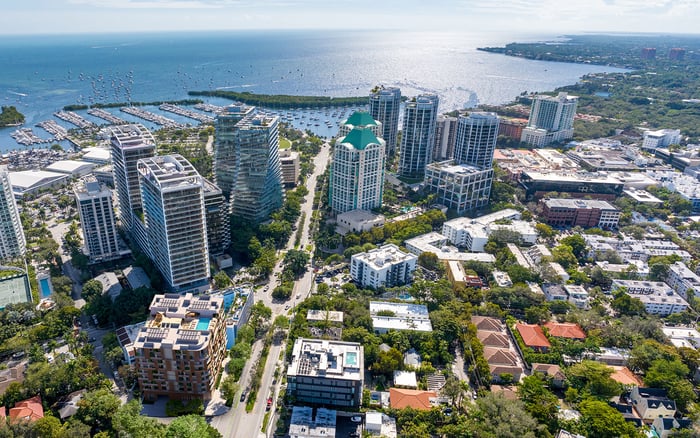
Brickell and Coconut Grove offer different versions of Miami convenience. This buyer’s framework compares building-specific walkability, airport access, transportation needs, residential operations, and the practical details that shape a successful lock-and-leave home.
Brickell and Coconut Grove offer distinctly different versions of convenience. Brickell presents a concentrated urban setting shaped by residential towers, dining, retail, offices, services, and transportation options. Coconut Grove offers a greener, more residential atmosphere centered on outdoor living, local destinations, and proximity to Biscayne Bay.
The useful question is not which neighborhood is universally better, but which one removes friction from the buyer’s actual routine. A frequent traveler with commitments in central Miami may prioritize airport transfers and a car-light schedule. A buyer focused on weekends near the water may accept more driving in exchange for privacy, landscape, and a village-scale setting.
The right neighborhood is the one that removes friction from the buyer’s actual routine.
Brickell’s compact urban form can support a routine in which many destinations are reached without driving. Yet neighborhood-level impressions are no substitute for a building-specific test.
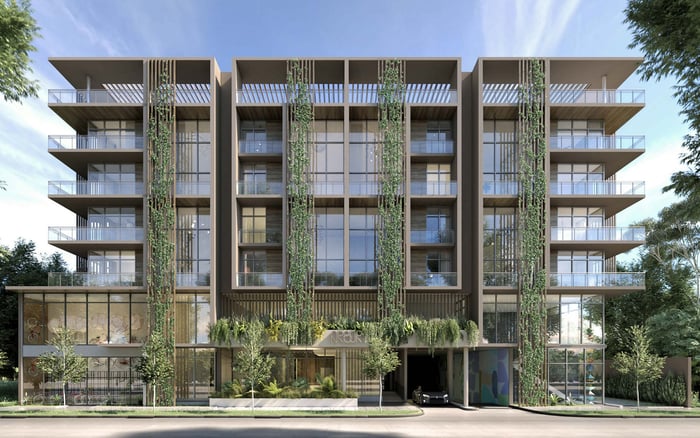
Walk from the lobby to the places that matter at the times they will matter. Consider groceries, dinner, fitness, meetings, and transportation connections, along with heat, rain, street crossings, and the return after dark. Residences such as The Residences at 1428 Brickell and ORA by Casa Tua Brickell can be placed on that personal map before architecture or amenities dominate the decision.
Coconut Grove requires similar address-level precision. Buyers should test the route between each shortlisted residence and the destinations they expect to use, including dining, shopping, parks, transportation, and the bayfront. A location that feels convenient for one routine may be less practical for another, particularly when weather, luggage, or evening travel enters the calculation.
Airport convenience should be measured from the exact residence rather than inferred from the neighborhood name. Complete the trip during realistic travel windows and record the full door-to-terminal experience, including building departure, vehicle retrieval, luggage handling, and pickup arrangements.
Include the return trip in the test. Late arrivals, guest pickup, valet procedures, and the route from a transportation stop to the lobby can matter more than nominal distance on a map. For a globally mobile owner, airport access is an operating feature of the residence rather than a peripheral neighborhood consideration.
Buyers comparing Brickell and Coconut Grove should also decide how much they value having alternatives to driving. The meaningful distinction is not simply which route appears shorter, but which location supports a reliable travel routine under the conditions the owner is likely to encounter.
Brickell’s concentration of residences and services can support a pied-à-terre routine. An owner may be able to arrive, manage daily needs nearby, and depart without organizing every part of the stay around a car.
Genuine lock-and-leave performance, however, is determined building by building. Review the condominium budget, insurance documentation, staffing, access controls, guest policies, leasing restrictions, parking rules, and emergency procedures. Ask how packages, deliveries, vendors, storm preparation, prolonged absences, and owner authorizations are handled. A polished lobby is immediately visible; operational resilience is revealed through documents and procedures.
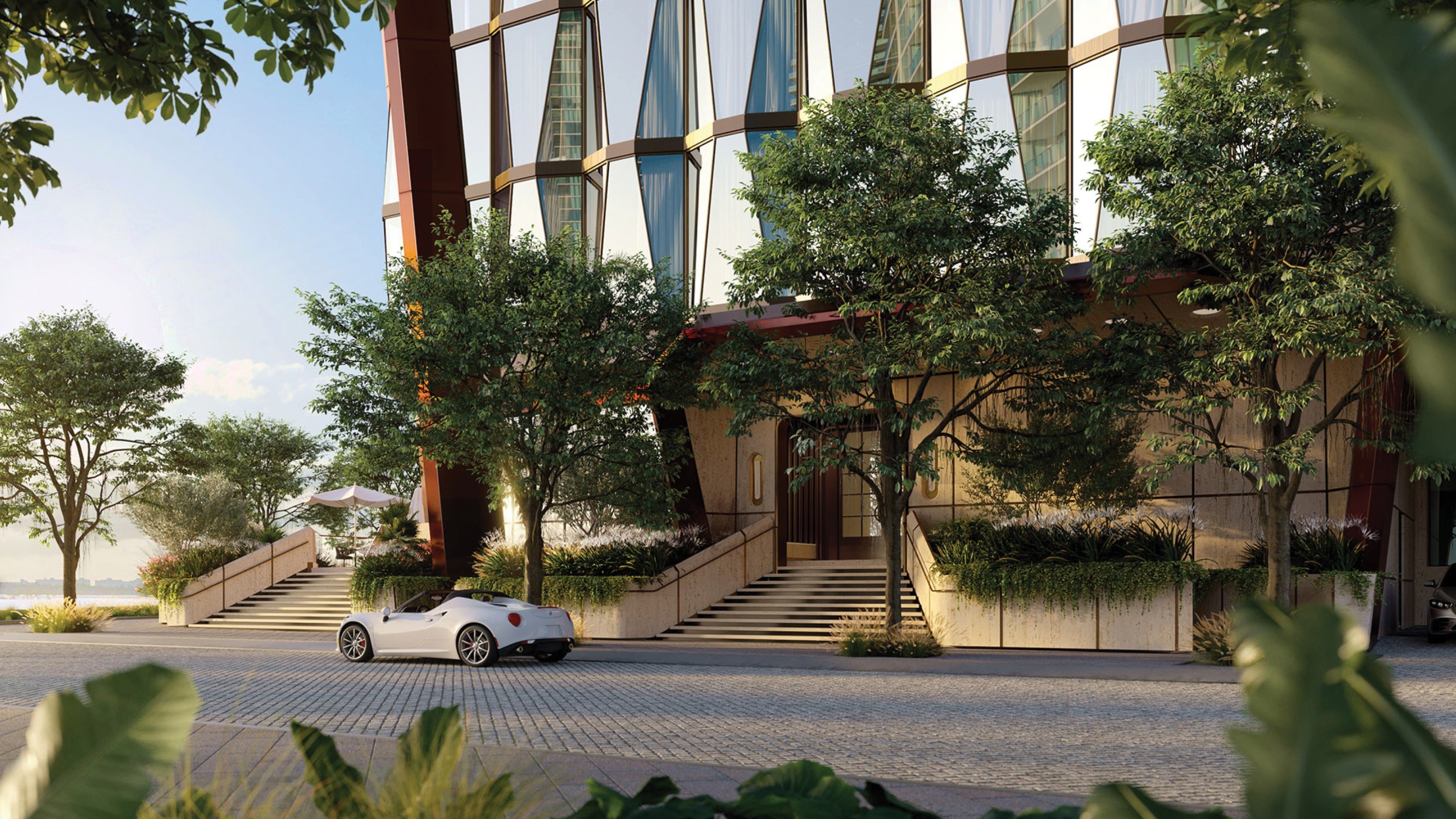
The same discipline applies in Coconut Grove. Boutique or lower-density settings may offer the privacy a buyer wants, but service coverage and absence protocols must still fit the intended pattern of use. A residence at Four Seasons Residences Coconut Grove can enter a Grove-focused shortlist while the buyer’s counsel and advisers evaluate the property’s rules, documents, and operations.
Price alone does not settle the comparison. Brickell and Coconut Grove contain different building types, settings, and ownership experiences, so buyers should compare residences with similar characteristics rather than rely on broad neighborhood averages.
For a second-home purchase, evaluate acquisition cost alongside recurring expenses and expected annual use. The more expensive residence may still be the more rational choice if it better protects the owner’s time, privacy, and ease of arrival. Conversely, a lower acquisition cost may not compensate for a routine that repeatedly requires unwanted driving or complicated property management.
The financial review should remain building-specific. Condominium documents, budgets, insurance information, assessments, and use restrictions can materially affect whether a residence works as intended, regardless of the surrounding neighborhood.
Coconut Grove can appeal to buyers seeking greenery, outdoor living, a residential cadence, and proximity to Biscayne Bay. Buyers interested in boating should verify access, storage, and dockage arrangements independently rather than assume that a waterfront setting includes a particular boating benefit.
Brickell can appeal to buyers who want dining, offices, services, and an urban pied-à-terre routine within close reach. Coconut Grove may suit those who place greater weight on privacy, landscape, and a quieter atmosphere. These profiles are not absolute, but they help expose the trade-offs a buyer is most likely to notice in daily life.
Spend a realistic day in each neighborhood. In Brickell, complete the likely work, dining, errands, and airport routine while tracking where a car becomes necessary. In Coconut Grove, walk the destinations that matter, test the route from the shortlisted building to transportation options, visit the bayfront, and repeat the airport journey.
Record minutes, transfers, waiting, and points of friction rather than relying only on impressions. Repeat the exercise under conditions that resemble the owner’s expected use, then compare the results with the building’s operational strengths and restrictions.
Choose Brickell when an urban routine, nearby services, and reduced car dependence lead the brief. Choose Coconut Grove when greenery, bay proximity, privacy, and a residential atmosphere carry greater weight. The final decision should rest on the precise building because even a strong neighborhood fit can be undermined by inconvenient access or operations that do not support extended absences.
For discreet guidance in comparing Miami residences through this practical lens, connect with MILLION.
If branded residences are on your mind — as a home or as an allocation — we would be glad to share what we are seeing, privately.
Begin a quiet conversationBrickell can support a concentrated urban routine, while Coconut Grove’s convenience varies more by the precise residence and the buyer’s preferred destinations.
Walk from each building to essential destinations at realistic times. Consider weather, crossings, evening conditions, and where a car becomes necessary.
The better choice depends on door-to-terminal performance from the exact residence. Buyers should test both departure and return trips during realistic travel windows.
The return can introduce different issues, including luggage handling, pickup arrangements, valet procedures, and the route back to the lobby.
Yes. Buyers should determine whether available transportation options fit their schedule, luggage needs, and tolerance for transfers.
Reliable staffing, access controls, practical guest procedures, emergency planning, and clear support during prolonged absences are important considerations.
Brickell may suit buyers who want an urban routine with nearby services. The final choice still depends on the specific building and its operations.
They should independently confirm access, storage, dockage arrangements, and any applicable rules rather than infer benefits from a waterfront setting.
Compare similar residence types and include recurring expenses, expected use, building documents, and operational convenience in the analysis.
Favor Brickell when an urban, car-light routine leads the brief. Favor Coconut Grove when greenery, privacy, bay proximity, and a residential atmosphere matter more.