A primary-residence comparison of Brickell and Coconut Grove should focus on privacy, school logistics, access control, transportation, and recurring household needs. The best fit is the address that performs most reliably during an ordinary weekday.
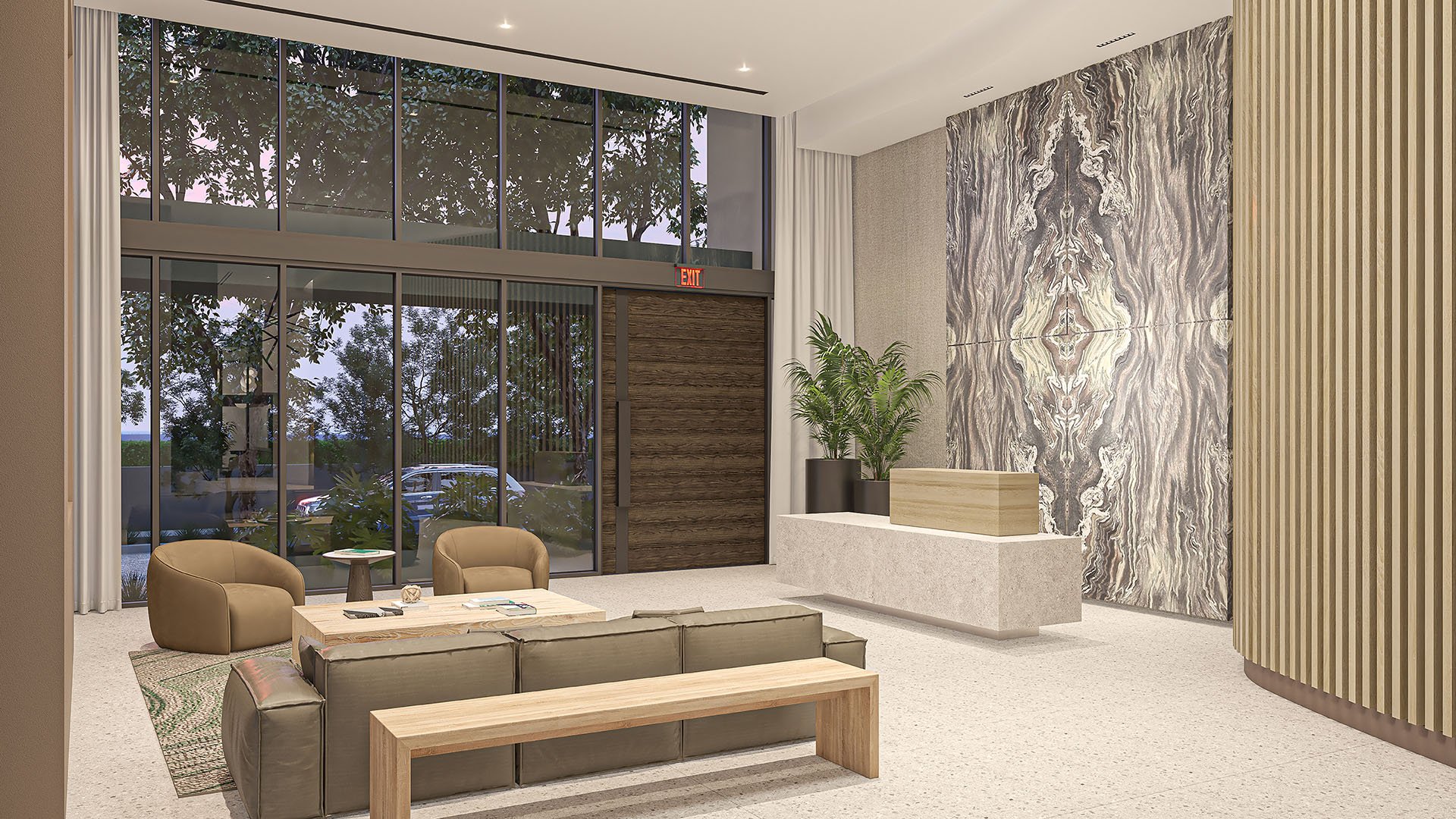
Choosing between Brickell and Coconut Grove for a primary residence requires more than comparing architecture, views, or weekend appeal. The decision should begin with the household’s actual routine: school departures, work commitments, appointments, deliveries, staffing, exercise, dining, errands, airport trips, and evening returns.
Instead of assigning a universal winner, buyers can use the same framework at every candidate address. Evaluate how the home handles arrival, privacy, school travel, daily service, and schedule changes. Then repeat the exercise under less convenient conditions, including peak traffic, rain, visiting family, and overlapping household commitments.
The strongest primary residence is the one that removes friction from the household’s real routine.
Privacy can mean separation from street activity, discreet vehicle access, controlled guest entry, limited sightlines, quiet interior spaces, or an efficient route for staff and vendors. Buyers should rank those priorities before touring, because a residence may perform well in one form of privacy and less effectively in another.
For a Brickell candidate such as 2200 Brickell, inspect the full transition from the street to the front door. Review vehicle entry, parking, guest procedures, package handling, elevator movement, service access, and the points where residents and visitors may cross paths. Floor level alone does not answer those operational questions.
The same method applies at The Residences at 1428 Brickell. Buyers should observe how the property functions at several times of day and ask how routine deliveries, household staff, guests, and private vehicles move through the building.
In Coconut Grove, privacy should also be tested property by property. At Arbor Coconut Grove, buyers can study the arrival sequence, neighboring sightlines, interior circulation, bedroom separation, and exposure from shared or public areas. The neighborhood name should never substitute for an address-specific inspection.
School access involves more than the distance displayed on a map. A useful comparison begins only after a household identifies realistic education options and confirms the relevant admissions requirements directly. The residential decision can then account for departure times, collection times, extracurricular commitments, multiple children, and possible handoffs involving household staff.
Run each likely journey from the exact Brickell and Coconut Grove addresses under consideration. Include the return trip rather than measuring only the outbound drive. If two children may attend different schools, test the combined route and determine whether it remains workable when schedules overlap.
A family should also consider its planning horizon. The practical residence for the next school year may not remain practical after a transition to another campus or a change in extracurricular activities. Buyers can reduce that risk by comparing several plausible schedules rather than optimizing the purchase around a single current routine.
School proximity does not establish admission, future placement, or a predictable travel time. Those questions require independent confirmation and a real-world route test before they influence a purchase decision.
Daily service should be measured through recurring tasks. List groceries, fitness, medical appointments, dining, work, personal services, airport travel, and any regular destinations used by family members or staff. Then map those trips from each candidate residence using the transportation methods the household will actually choose.
For Brickell, buyers who expect to walk frequently should test the route in person rather than rely on a neighborhood-wide assumption. Review crossings, building exits, weather exposure, carrying distance, and the practicality of returning with children or purchases. Buyers who expect to drive should inspect garage access and the transition between parking and the residence.
For Coconut Grove, evaluate the same tasks without assuming every address provides an identical experience. At Four Seasons Residences Coconut Grove, the relevant comparison is the household’s own destination map, preferred travel mode, and tolerance for schedule variability.
Daily service also includes what happens inside the property. Package receipt, visitor coordination, maintenance access, vendor movement, and staff circulation can materially affect a primary residence. Ask for current procedures and verify how they would work for the household rather than inferring them from branding or presentation materials.
Begin with an ordinary weekday calendar. Plot every fixed departure and return, then add flexible tasks such as groceries, exercise, dining, and appointments. Note where one delay creates a chain reaction for the rest of the household.
Next, inspect privacy in layers. From the street, observe vehicle queues, pedestrian movement, lighting, nearby windows, and the route to the entrance. Within the property, test guest access, parking, elevators, service paths, and package handling. Inside the residence, examine bedroom separation, exposure to common areas, acoustical comfort, and the ability to receive staff or vendors without interrupting private space.
Repeat the test during a second visit under different conditions. A daytime tour may not reveal the evening arrival experience, while a quiet appointment may not show how common areas function during busier periods. Record observations consistently so that one memorable feature does not outweigh the complete operating picture.
Finally, assign weights to the criteria. Privacy, school logistics, walkability, driving convenience, staffing, and interior layout should not all receive equal importance unless the household genuinely values them equally. A weighted comparison makes the trade-offs visible and helps separate essential requirements from preferences.
The final decision should rest on verified performance at the exact residence, not a generalized verdict about either neighborhood. Choose the Brickell address if its access, circulation, and daily routes align more closely with the household’s priorities. Choose the Coconut Grove address if its setting, arrival experience, and recurring journeys produce the stronger primary-residence fit.
Neither choice should depend on a single tour, a map estimate, or an assumed school outcome. The more durable purchase is the residence whose privacy, access, and service pattern remains coherent when the household’s schedule changes.
For a discreet comparison of primary residences in Brickell and Coconut Grove, consult MILLION.
If branded residences are on your mind — as a home or as an allocation — we would be glad to share what we are seeing, privately.
Begin a quiet conversationStart with the household’s ordinary weekday, including school travel, work, errands, staffing, appointments, and evening returns.
Review the complete route from street arrival to the residence, including parking, guest access, elevators, deliveries, and service circulation.
No. Privacy also depends on sightlines, access procedures, interior layout, acoustical comfort, and how people move through the property.
Identify realistic school options, confirm requirements independently, and test each journey from the exact residence at the required times.
No. Buyers should consider traffic, return trips, extracurricular schedules, multiple children, and possible staff handoffs.
Map recurring destinations and complete representative trips using the transportation methods the household expects to use.
Different times and conditions can reveal changes in arrivals, common-area activity, traffic, lighting, and surrounding movement.
Ask about current procedures for guests, packages, parking, vendors, maintenance access, elevators, and household staff.
Assign weights to privacy, school logistics, transportation, staffing, interior layout, and other criteria according to household needs.
Select the exact residence whose verified access, privacy, and daily-service pattern best supports the household as its routine evolves.