A discreet buyer’s guide to choosing between branded residences and boutique buildings when multiple pets are part of the household in South Florida.
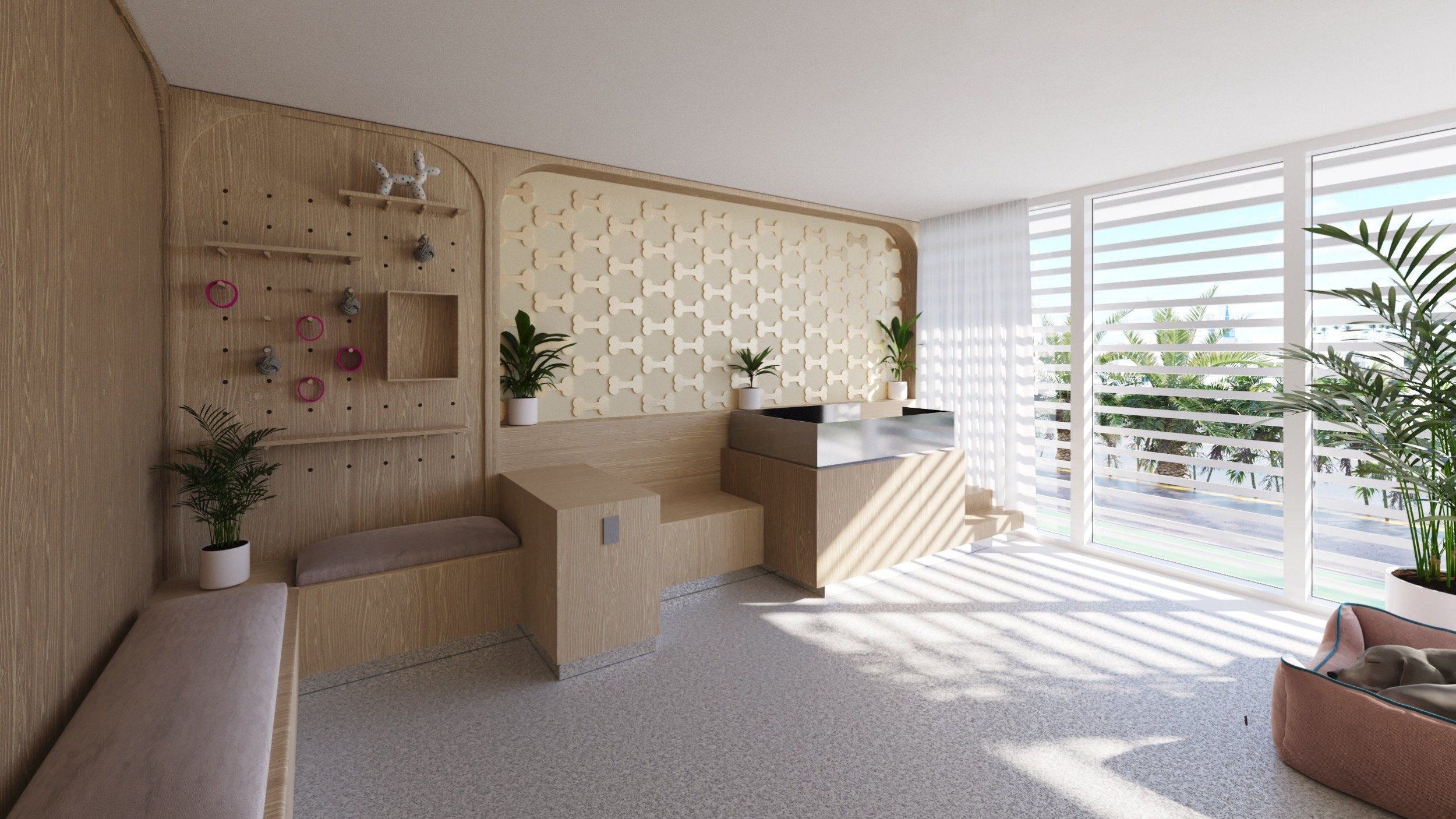
For buyers with multiple pets, the question is rarely whether a residence is beautiful. It is whether the building can absorb the private choreography of daily life without friction. Morning elevator rides, groomer arrivals, dog-walker handoffs, late-night relief breaks, visiting family with animals, and the occasional muddy paw after a summer storm all become part of the ownership experience.
In South Florida, where many luxury buyers split time between homes, travel frequently, or manage a household with staff, pet compatibility is not a minor convenience. It is a livability test. Branded service and boutique discretion both have appeal, but neither is automatically better. The right answer depends on how a building manages rules, staff behavior, circulation, privacy, and tolerance for the realities of a multi-pet household.
A branded residence often appeals to buyers who want predictable service. The attraction is not only a recognizable name. It is the expectation that front desk teams, valet, security, and residential management will operate with a disciplined hospitality mindset. For a pet owner, that can mean smoother coordination when a walker arrives, clearer procedures for vendor access, and a more polished response when something unexpected occurs.
In a market such as Brickell, a buyer considering St. Regis® Residences Brickell may naturally be drawn to formal service standards. The pet-related question, however, should go beyond the brand. Buyers should ask how the building handles multiple animals per residence, whether pets are routed through specific areas, how staff manage dog-walker access, and whether the tone is genuinely accommodating or simply procedural.
For frequent travelers, branded environments can also be attractive because they tend to emphasize systems. That matters when an owner is away and household staff need to coordinate animal care. Yet systems can also be rigid. A building that is excellent for one quiet small dog may not be equally graceful for two larger dogs, a senior pet with mobility needs, and a cat requiring periodic care visits.
Boutique living appeals to a different instinct: the desire to be known without being watched. In a smaller building, residents may encounter fewer people between the elevator and the front door. Staff may learn routines more quickly. There may be less lobby theater, less crowding at peak hours, and fewer moments when a pet owner feels exposed during ordinary daily movement.
That discretion can be especially important for buyers with multiple pets. A quiet elevator ride can be more valuable than a dramatic arrival sequence. A calm front desk can matter more than a grand lobby. The best boutique buildings often feel residential first, with a sense that the home extends gently into the common areas rather than stopping abruptly at the threshold.
Coconut Grove illustrates the appeal of a softer residential cadence. A buyer looking at The Well Coconut Grove may be thinking not only about architecture or wellness language, but also about whether the surrounding lifestyle supports a less performative daily rhythm. For multi-pet owners, that rhythm can be decisive.
Pet policy is the beginning, not the conclusion. Buyers should review the actual condominium documents and rules before becoming emotionally committed. The key questions are practical: How many pets are allowed? Are there weight or breed restrictions? Are tenants, guests, or visiting family treated differently? Are there approval requirements? Are service animals addressed separately from household pets? What are the procedures for violations?
Just as important is the culture behind the policy. Two buildings can have similar written rules and very different daily attitudes. One may treat animals as a normal part of private life. Another may tolerate them while creating constant small inconveniences. For a luxury buyer, those small inconveniences become large when they repeat twice a day for years.
The best approach is to ask for specifics without apologizing. Multi-pet ownership is not an afterthought. It is part of the residence profile, no different from parking requirements, storage needs, staff access, or terrace use.
For pet owners, circulation is everything. The ideal route from residence to exterior should be intuitive, dignified, and low-stress. Long walks through formal amenity areas may look elegant on a tour but can become awkward with multiple leashes. Tight elevator lobbies can create unnecessary encounters. Service corridors may be efficient, but if they feel punitive, the building has missed the point.
High-rise buyers should pay close attention to elevator strategy. Private or semi-private elevator access can be valuable, but it does not solve every pet issue. What matters is the full path: residence door, elevator, lobby or secondary exit, relief area or walking route, and return. The route should work in rain, in season, during deliveries, and when guests are arriving for dinner.
In Sunny Isles, where vertical living often carries a strong design identity, Bentley Residences Sunny Isles prompts the right buyer question: how does a highly designed arrival experience translate into ordinary life with animals? The answer must be tested in operational detail, not assumed from renderings or reputation.
A pet-friendly building cannot compensate for a floor plan that does not work. Multiple pets need zones. Buyers should consider where crates, beds, feeding stations, litter solutions, grooming supplies, and leashes will live. A generous laundry room, secondary entry, service vestibule, or den can quietly become the most important square footage in the home.
Terraces require special care. They may be beautiful, but owners should think about supervision, rail conditions, heat, wind, and the difference between visual pleasure and functional pet space. Outdoor square footage should never be treated as a substitute for a proper walking routine or a building culture that supports animals gracefully.
Materials also matter. Stone, tile, wood, wallcoverings, upholstery, and built-ins should be evaluated through the lens of real life. The best luxury interiors are not fragile. They are composed, resilient, and maintainable.
For multiple-pet buyers, branded service is strongest when the household needs structure: staff coordination, vendor access, predictable front desk behavior, and a polished management layer. Boutique discretion is strongest when the buyer values privacy, fewer interactions, and a quieter sense of belonging.
The winner is not the category. It is the building that can answer detailed questions without defensiveness. A residence such as The Ritz-Carlton Residences® Miami Beach may appeal to a buyer who wants service culture in a coastal setting, while a smaller, more residential building may better suit an owner whose pets thrive on calm repetition. The purchase should follow the household, not the other way around.
The most sophisticated buyers treat pet fit as part of due diligence. They walk the route, study the rules, speak plainly about the number and type of animals, and imagine an ordinary Tuesday rather than a sales-gallery afternoon. That is where the truth of the building appears.
Is a branded residence always better for owners with multiple pets? No. Branded service can be helpful, but the written pet policy and daily building culture matter more than the name.
Can boutique buildings be more comfortable for pet owners? Yes. Smaller buildings may offer quieter circulation and more discretion, depending on management and resident culture.
What should buyers review before making an offer? Review condominium documents, pet rules, approval procedures, access routes, and any limits on number, size, or type of pets.
Do private elevators solve the pet issue? They help with privacy, but buyers still need to evaluate the full route from residence to exterior.
Should pet amenities drive the purchase decision? Amenities are useful, but policy, layout, staff attitude, and daily circulation usually matter more.
How should buyers handle dog-walker access? Ask how recurring vendors are registered, admitted, monitored, and routed through the property.
Are terraces enough outdoor space for pets? Terraces can be pleasant, but they should not replace safe walking routines or proper supervision.
What interior features help multi-pet households? Durable surfaces, laundry space, storage, secondary entries, and flexible rooms can make daily care easier.
Is Brickell suitable for buyers with pets? It can be, but each building must be assessed for rules, elevator rhythm, nearby walking routines, and staff protocol.
When should pet due diligence happen? It should happen early, before contract deadlines make a lifestyle mismatch expensive or difficult to unwind.
For a tailored shortlist and next-step guidance, connect with MILLION.
If branded residences are on your mind — as a home or as an allocation — we would be glad to share what we are seeing, privately.
Begin a quiet conversation