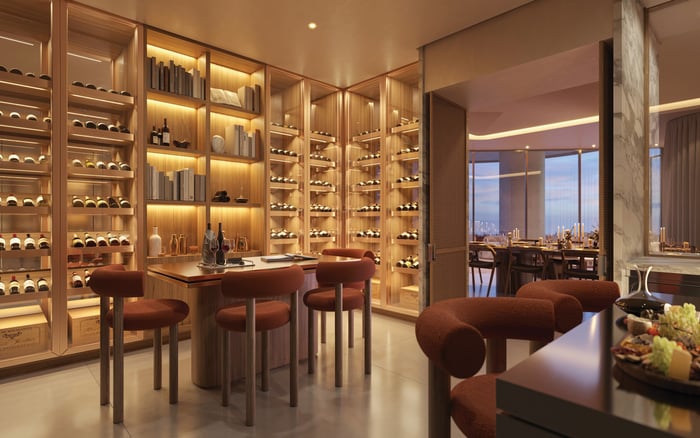
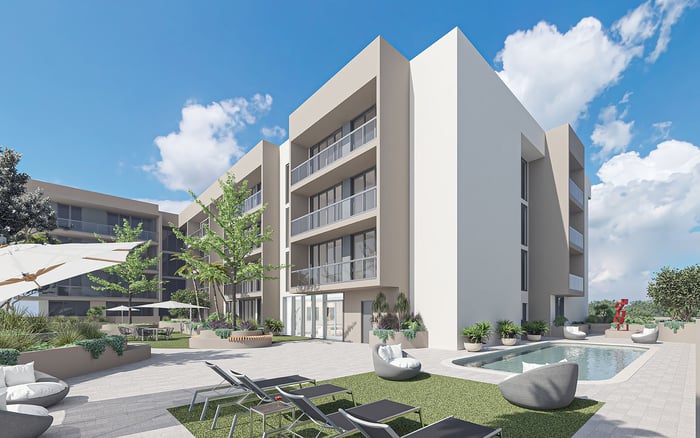
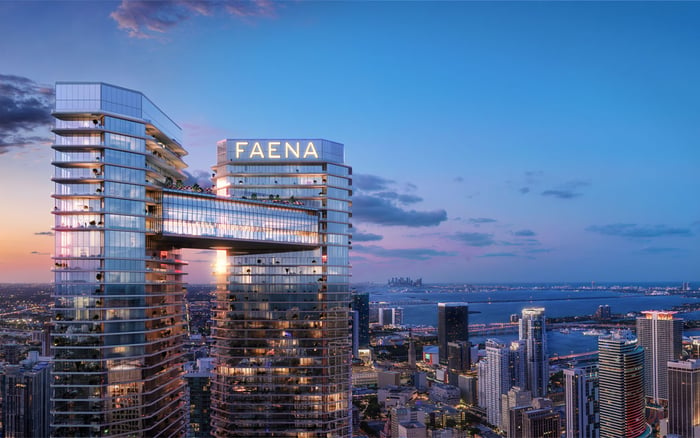
Mila Bay Harbor Islands asks buyers to assess a luxury preconstruction residence alongside the value attributed to the MILA identity. A prudent approach is to isolate the real estate, document the branded experience, quantify its recurring cost, and test whether the affiliation could retain meaning at resale.
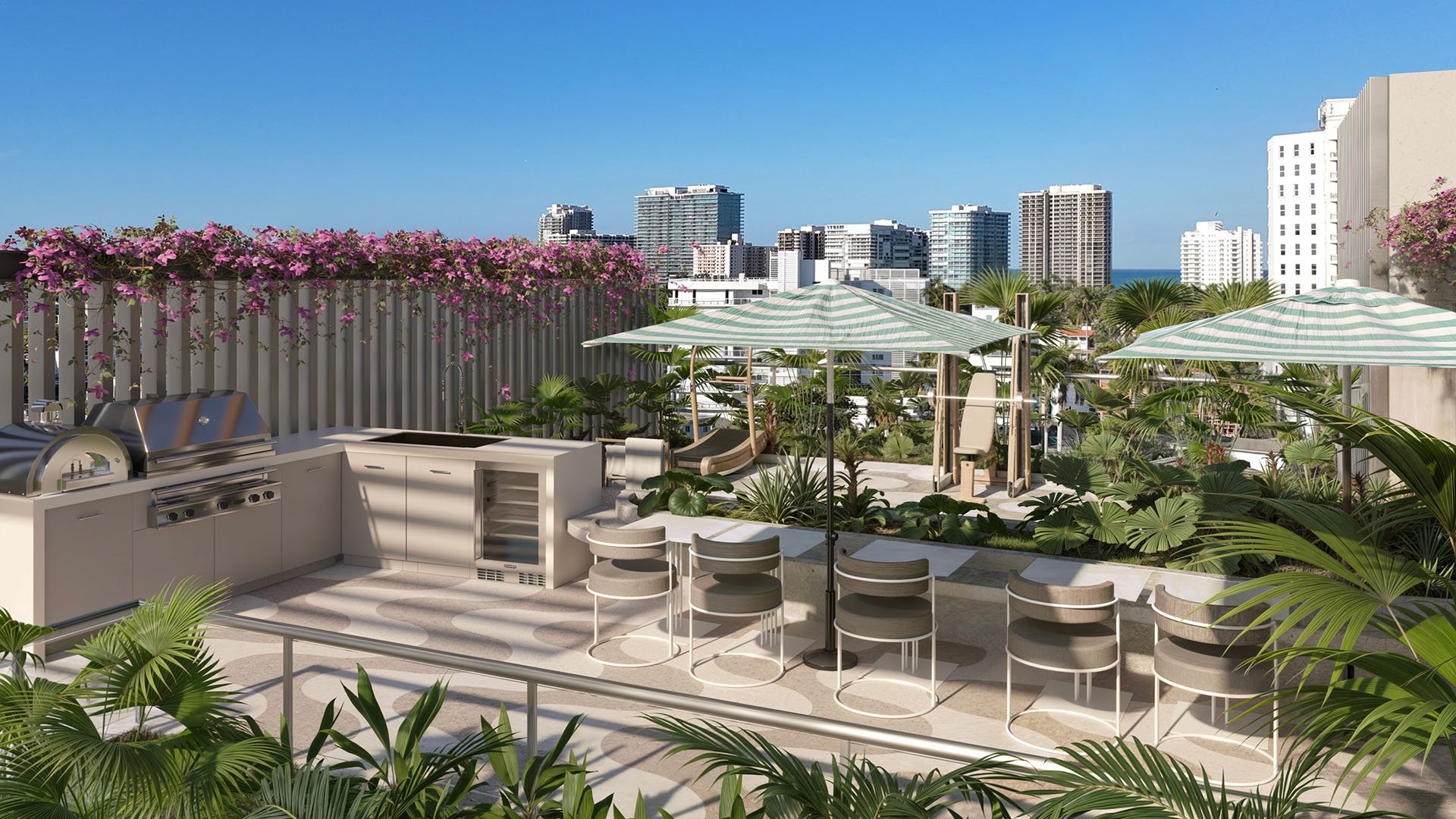
Buyers considering Mila Bay Harbor Islands should separate the offering into two components: the underlying real estate and the incremental value attributed to the MILA name.
The first encompasses fundamentals that would matter without a brand affiliation, such as location, floor plan, interior size, views, finishes, and expected delivery timing. The second encompasses any atmosphere, services, programming, and market recognition promised through MILA. A premium is defensible only when those branded benefits are documented, measurable, and likely to endure.
Begin with the residence itself. Evaluate circulation, usable room dimensions, exposure, privacy, outdoor space, storage, and the relationship between interior and exterior living. Renderings can establish a visual direction, but they should not substitute for specifications, finish schedules, or contract language.
During the preconstruction phase, buyers should pay particular attention to substitution rights. Determine how closely the delivered materials, fixtures, appliances, millwork, and common areas must adhere to the presentation. If broad substitutions are permitted, discount the value assigned to a curated aesthetic until the contractual standard is clear.
Local alternatives can bring this review into sharper focus. Onda Bay Harbor and La Maré Bay Harbor Islands can help frame questions about location, layouts, finishes, and timing without presuming that any two projects are directly equivalent.
Branded residences often sell an experience as much as an address. At Mila Bay, buyers should identify precisely which services and hospitality features are binding obligations and which remain marketing aspirations. Request the governing documents, purchase agreement exhibits, service descriptions, and any standards that define delivery.
The essential question is not whether a proposed amenity sounds attractive, but who must provide it, to what standard, for how long, and with what remedy if it changes. Programming tied to dining, wellness, resident events, or personalized service may be valuable, but only if its scope and continuity can be understood before closing.
A comparison with The Well Bay Harbor Islands may also help buyers distinguish a branded concept from the underlying residential proposition. The purpose is not to declare a winner, but to identify which elements are physical, which are operational, and which depend on an ongoing relationship.
The operating structure warrants the same scrutiny as the floor plan. Buyers should determine who controls the brand experience after completion, who appoints or replaces service providers, and what authority the condominium association will hold over branded programming.
Because the MILA name may be central to the purchase decision, the licensing arrangement matters. Review whether the name is licensed for a fixed term, whether renewal is automatic or conditional, and what happens if the relationship ends. A purchaser should understand whether the branding can be removed, replaced, or materially altered and whether the building would retain its core appeal in that event.
Management changes and market conditions can also weaken a branded proposition. The strongest protection is a residence whose architecture, plan, location, and finish quality remain compelling even as the operating identity evolves.
A brand premium can extend beyond the purchase price. Hospitality programming, staffing, amenity operations, licensing, and service standards may generate recurring association expenses or other operating costs beyond those of a comparable non-branded building.
Request a detailed budget and distinguish among expenses that are fixed, variable, optional, or subject to escalation. Then compare projected carrying costs with relevant alternatives on a like-for-like basis. For an investment or second-home purchase, model the effect of those costs on annual ownership and future buyer affordability rather than treating them as incidental.
A useful comparison set should control for the attributes that drive residential value: location, plan efficiency, size, views, finishes, and delivery timing. Consider brand recognition only after normalizing those variables as carefully as possible.
Broader luxury references, including Rivage Bal Harbour, may broaden the analysis, but Bal Harbour should not be treated as interchangeable with Bay Harbor Islands. Neighborhood context, product type, and delivery profile can materially influence what appears to be a premium.
Resale analysis raises another question: Will a future purchaser value the MILA affiliation independently of the residence's physical qualities? No quantified premium is established here. Buyers should therefore model scenarios in which the brand retains its appeal, becomes less distinctive, or is no longer attached to the property.
The name should command additional value only after five matters are resolved: design execution, contractual services, operating control, recurring cost, and long-term branding rights. If any one remains ambiguous, price the residence primarily on its real estate fundamentals.
The most resilient purchase works twice: first as a well-chosen Bay Harbor Islands home, and second as a branded lifestyle proposition. The brand can enhance value, but it should not be expected to rescue an undifferentiated asset.
What is the brand premium at Mila Bay Harbor Islands? No quantified premium is established here. Buyers should isolate comparable real estate value before assigning an additional amount to the MILA affiliation.
What should buyers review first? Start with the floor plan, size, views, location, finishes, and delivery timing.
Are renderings enough to assess design quality? No. Review specifications, finish schedules, contract exhibits, and substitution rights.
How can a buyer verify promised hospitality services? Identify which services appear as enforceable obligations in the purchase and governing documents.
Why does the brand license matter? Its term, renewal provisions, and termination consequences can affect the durability of the branded identity.
Who controls the experience after completion? Buyers should establish the respective roles of the brand, operator, developer, and condominium association.
Could branded programming increase ownership costs? It could. Examine budgets for staffing, programming, licensing, amenity operations, and other recurring expenses.
How should Mila Bay be compared with other projects? Normalize location, layout, size, views, finishes, costs, and timing before comparing brand appeal.
What is the central resale question? Determine whether a future buyer would pay for the MILA affiliation apart from the residence itself.
When is paying for the name reasonable? It may be reasonable when design, services, governance, costs, and branding rights are documented and the underlying home remains compelling.
When you're ready to tour or underwrite the options, connect with MILLION.
If branded residences are on your mind — as a home or as an allocation — we would be glad to share what we are seeing, privately.
Begin a quiet conversation