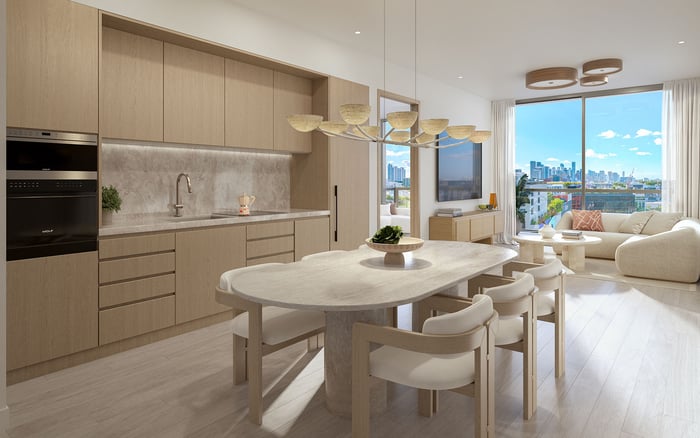
A buyer-focused framework for separating the residence, furnishings, operating costs, contractual protections and resale fundamentals from the value attributed to the Frida Kahlo name in Wynwood.

The name attached to Frida Kahlo Wynwood Residences may shape a buyer’s first impression, but it should not replace property-level analysis. The central task is to separate the value of the residence, location, specifications and ownership structure from any premium attributed to the identity.
Begin with the same questions that apply to any South Florida condominium purchase: Is the floor plan efficient? Does the exposure suit the buyer’s priorities? Are the finishes and included items clearly defined? Do the expected carrying costs fit the intended holding period?
Compare the proposed purchase with appropriate Wynwood alternatives before looking farther across Miami-Dade. Evaluate price in relation to interior space, outdoor space, floor, exposure, layout, condition, included furnishings and timing. The closest comparable is not necessarily the most visually similar residence; it is the one requiring the fewest material adjustments.
Broader branded and design-led comparisons can provide context. 888 Brickell by Dolce & Gabbana, EDITION Edgewater and Miami Tropic Residences may help buyers frame questions about positioning, design and presentation. They should not substitute for a Wynwood-specific valuation because location, residence type and ownership terms may differ.
If furnishings, appliances, finishes or accessories are included, request a detailed written schedule. It should identify what is included, what may be substituted, who is responsible for installation and which warranties or remedies apply.
Assign value only to items documented in the purchase materials. A polished presentation may improve convenience, but the buyer should still consider durability, replacement costs and suitability for personal use or a future resale.
The purchase price is only one part of the underwriting. Review the proposed association budget and evaluate assessments, insurance, taxes, maintenance, reserves and other recurring obligations with qualified advisers. Confirm which costs are estimates and which are established by governing or contractual documents.
Run multiple holding-period scenarios rather than relying on a single projection. Conservative assumptions can show whether the acquisition remains practical if expenses rise, delivery changes or resale takes longer than expected.
A brand premium deserves documentary review. Counsel should examine the agreements and disclosures governing use of the name, including relevant duration, renewal, termination and modification provisions.
Buyers should also understand what happens to signage, marketing, common-area presentation and resale positioning if branding rights change. The physical quality of a residence and the durability of its market appeal should stand on their own.
A recognizable identity does not remove development, construction or closing risk. Review the purchase agreement, deposit terms, completion provisions, permitted changes, cancellation rights and available remedies with independent counsel.
Any assumptions about rental use, management, occupancy or leasing should be confirmed in the governing documents. Marketing language should not be treated as a substitute for enforceable terms.
For resale analysis, focus on qualities that distinguish one residence from another: layout, exposure, outdoor space, privacy and overall usability. These characteristics may matter even if future buyers place less value on the branding.
Model an exit without assuming that the name will generate an additional premium. If the purchase remains compelling under that scenario, branding can be treated as a potential enhancement rather than the foundation of the decision.
What is the first test for a possible brand premium? Compare the residence with relevant Wynwood alternatives after adjusting for layout, exposure, outdoor space, condition and included items.
Should buyers rely on comparisons with other branded projects? They can provide context, but a neighborhood-specific analysis should remain the primary valuation tool.
How should included furnishings be evaluated? Request a written schedule and assess documented items for quality, durability, replacement cost and suitability.
Which recurring costs deserve review? Buyers should examine association expenses, insurance, taxes, maintenance, reserves and other obligations with qualified advisers.
Why should the branding documents be reviewed? They may explain how the name can be used and what could happen if the branding relationship changes.
Does a recognizable name remove pre-construction risk? No. Buyers should still review deposit terms, completion provisions, permitted changes and contractual remedies.
Can marketing materials confirm rental flexibility? No. Rental and occupancy terms should be verified in the governing and contractual documents.
How should a buyer model resale value? Start with a scenario that assumes no additional premium from the name, then test potential upside separately.
Which unit characteristics may support scarcity? Layout, exposure, outdoor space, privacy and usability can help distinguish one residence from another.
What professional reviews may be appropriate before signing? Independent legal, financial, insurance and property-specific advice can help a buyer assess the documents and total risk.
When you're ready to tour or underwrite the options, connect with MILLION.
If branded residences are on your mind — as a home or as an allocation — we would be glad to share what we are seeing, privately.
Begin a quiet conversation