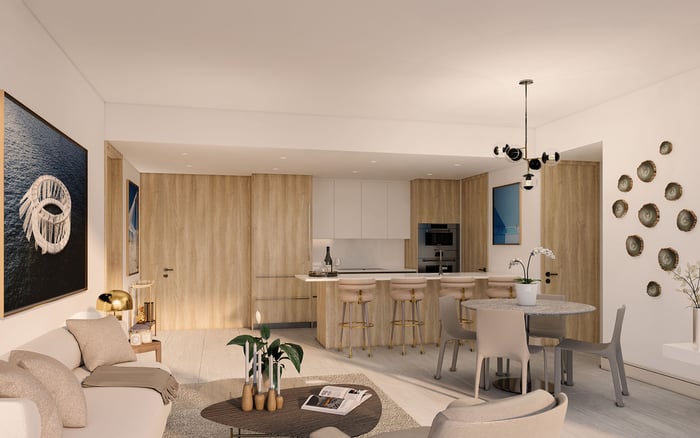
A buyer-focused guide for Boston owners evaluating Fort Lauderdale, marina access, waterfront living, boat-slip diligence, and nearby South Florida alternatives.
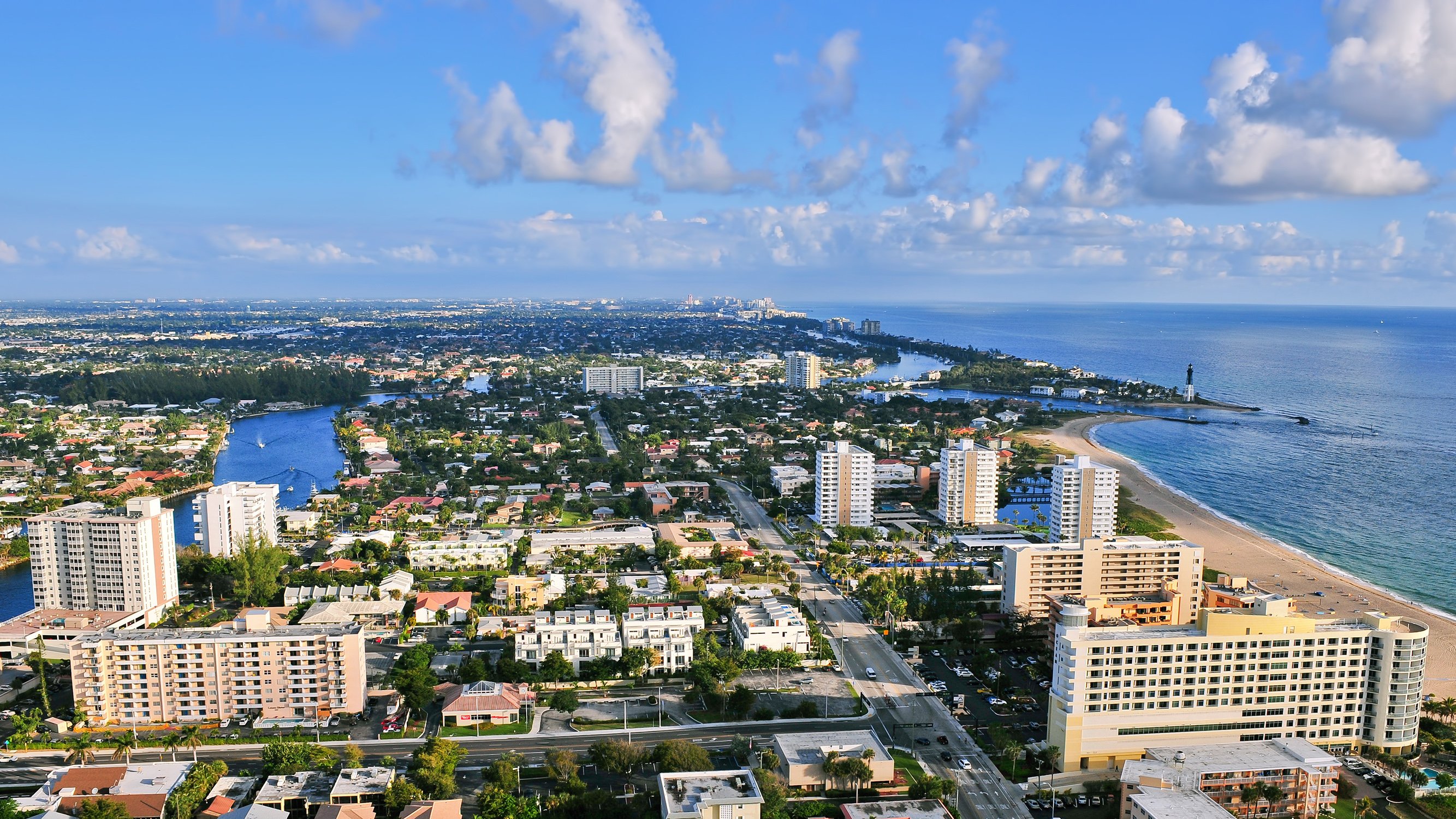
For a Boston buyer considering Fort Lauderdale, the most refined purchase process begins with a blunt question: what does the boat require? Not the view, not the terrace, not the name on the lobby wall, but the vessel itself. A serious marina strategy should shape the residence around length, beam, draft, access preferences, storage expectations, service routines, and the owner’s actual rhythm on the water.
That framing is especially important for buyers who already understand harbor life. A home that photographs beautifully beside the water may still be the wrong answer for an owner who wants reliable access, convenient provisioning, and a predictable path from residence to departure. In South Florida, the word waterfront can describe very different conditions. Some properties are visually waterfront. Others are functionally waterfront. The distinction is where meaningful due diligence begins.
Fort Lauderdale rewards buyers who separate lifestyle romance from operational clarity. The right purchase is not simply a residence near boats. It is a home that supports how the owner moves between private life, marina life, dining, guests, service providers, and travel.
A Boston to Fort Lauderdale relocation, seasonal purchase, or second-home search often begins with neighborhoods. That is understandable, but for yacht-oriented buyers it is usually the second question. The first is the marina plan. Will the owner keep a vessel in a dedicated slip, arrange separate marina accommodations, or prioritize proximity to a favored boating district? Will the residence be used for quick weekends, longer winter stays, or as a primary South Florida base?
Once those answers are clear, the map becomes more useful. Fort Lauderdale offers a broad set of waterfront and near-waterfront lifestyles, from refined beach energy to the urban convenience of Las Olas. A buyer who expects frequent departures may value easy marina adjacency more than a larger interior. Another buyer may prefer a quieter residential setting and accept a short transfer to the boat.
This is where properties such as St. Regis® Residences Bahia Mar Fort Lauderdale enter the conversation naturally for buyers who want to study the relationship between branded residential living and a marina-centered Fort Lauderdale lifestyle. The key is not to assume the name resolves the boating question. The key is to evaluate how the residence, services, arrival sequence, and water access fit the owner’s real use pattern.
Boat-slip strategy deserves the same seriousness as a title review or building inspection. A buyer should understand whether access is owned, leased, assigned, separately contracted, limited, transferable, waitlisted, or entirely outside the residential purchase. The phrase boat-slip can sound simple, but the underlying rights and practical usability can vary widely.
For an ultra-premium buyer, this diligence should begin early. A residence may be perfect in every visible respect, yet fail because the boating arrangement does not work for the vessel or the family’s cadence. Conversely, a slightly less obvious home may become the superior choice if it enables a cleaner path to the water.
Important questions include who controls access, what restrictions may apply, how guest boarding works, how service vendors reach the vessel, where parking and loading occur, and whether the marina experience feels gracious during peak periods. A buyer should also think about hurricane planning, insurance conversations, maintenance scheduling, and the human choreography of using the boat with family, crew, or guests.
South Florida waterfront pricing often reflects emotion. Light on the water, skyline silhouettes, sunrise or sunset orientation, and terrace depth all matter to luxury buyers. They should. But a marina strategy requires a more layered analysis. A magnificent view may have limited boating utility, while a less cinematic position may deliver a better owner experience.
This distinction helps Boston buyers avoid overpaying for the wrong attribute. If the boat is central to the acquisition, the buyer should score each property across two separate columns: residential quality and vessel practicality. Residential quality includes plan, privacy, service, finish level, acoustics, outdoor space, parking, and building culture. Vessel practicality includes access, slip logistics, provisioning, distance to the boat, ease of guest movement, and the owner’s tolerance for transitions.
Residences such as Four Seasons Hotel & Private Residences Fort Lauderdale may be considered by buyers who want a polished, hospitality-inflected setting near the beachside Fort Lauderdale lifestyle. The marina question remains separate: does the broader ownership plan place the boat in a way that makes daily use intuitive rather than ceremonial?
Fort Lauderdale may be the center of the search, but a sophisticated marina strategy often tests the edges of the map. Some buyers should remain tightly focused on Fort Lauderdale. Others may benefit from comparing nearby coastal markets if the vessel plan, family needs, or privacy preferences point elsewhere.
Pompano Beach, for example, can be part of a broader waterfront review for buyers who want to understand coastal alternatives north of Fort Lauderdale. A residence such as The Ritz-Carlton Residences® Pompano Beach may help frame that comparison for buyers weighing branded residential expectations against a different shoreline rhythm.
The same principle applies within Fort Lauderdale itself. A buyer might compare the beach, Las Olas convenience, and more residential waterfront pockets without treating them as interchangeable. The right answer depends on how often the owner will boat, who will join them, how formal the entertaining style is, and whether the home is meant to be a quiet retreat or a social base.
A serious boating day begins long before boarding. It starts with storage, arrival, coffee, parking, provisioning, guest flow, elevator efficiency, and the small rituals that make ownership pleasurable. The residence should support that full sequence.
In practice, that may mean prioritizing a building with a graceful arrival experience, generous service culture, well-considered parking, and a floor plan that separates wet, sandy, or casual movement from formal entertaining. It may mean choosing a unit with practical outdoor space rather than simply the most dramatic view. It may also mean accepting that a home slightly removed from the slip can work beautifully if the transfer is elegant and predictable.
For buyers studying riverfront or near-waterfront living, Riva Residenze Fort Lauderdale can sit within a broader discussion about how residential design, water adjacency, and city access intersect. Again, the purchase should be judged by how the home performs on an ordinary boating day, not only at a sunset showing.
The cleanest framework is a three-part test. First, define the vessel and the marina plan. Second, define the residential life. Third, decide which trade-offs are acceptable.
For the vessel, be specific. How often will it be used? Who manages it? How sensitive is the owner to transfer time? Is the boat part of everyday life or reserved for planned outings? For the residence, be equally precise. Does the owner want hotel-style service, a quieter boutique sensibility, or a larger amenity environment? Is Fort Lauderdale a winter base, a tax and lifestyle move, a family gathering point, or a long-term primary home?
The trade-off conversation is where experienced guidance matters. Some buyers should spend more for convenience. Others should protect privacy. Some should prioritize immediate boating usability, while others can secure the right home first and solve the marina arrangement separately. The winning choice is the one that feels effortless after the closing, not merely impressive before it.
Should a Boston buyer choose the marina before choosing the condo? If boating is central to the purchase, yes. The vessel’s needs should shape the search before finishes, views, or brand preferences take over.
Is every waterfront residence suitable for a yacht owner? No. Waterfront can mean visual proximity to water without solving access, slip rights, provisioning, or owner convenience.
What is the first boat-slip question to ask? Ask whether the slip arrangement is owned, leased, assigned, separately contracted, or unavailable through the residence.
Why does Fort Lauderdale appeal to marina-focused buyers? Fort Lauderdale offers a strong waterfront lifestyle identity, making it a natural focus for buyers who want boating to shape daily living.
Should Las Olas be considered in a marina strategy? Yes, if dining, city convenience, and guest access are part of the ownership lifestyle. It should still be tested against the boating plan.
Can Pompano Beach fit a Fort Lauderdale search? It can, especially when buyers want to compare nearby coastal living options while remaining focused on a South Florida water-oriented lifestyle.
Do branded residences automatically solve marina needs? No. Branding may support service expectations, but slip access, marina logistics, and vessel practicality require separate diligence.
What matters more, view or access? It depends on the owner. If boating is frequent, access and logistics may matter as much as, or more than, the most dramatic view.
How early should marine insurance and storm planning be discussed? Early in the process. These conversations can influence where the vessel is kept and how practical a residence truly feels.
What is the best overall strategy for a serious boating buyer? Build the search around the boat, then refine by neighborhood, building culture, service level, privacy, and long-term ease of ownership.
For a discreet conversation and a curated building-by-building shortlist, connect with MILLION.
If branded residences are on your mind — as a home or as an allocation — we would be glad to share what we are seeing, privately.
Begin a quiet conversation