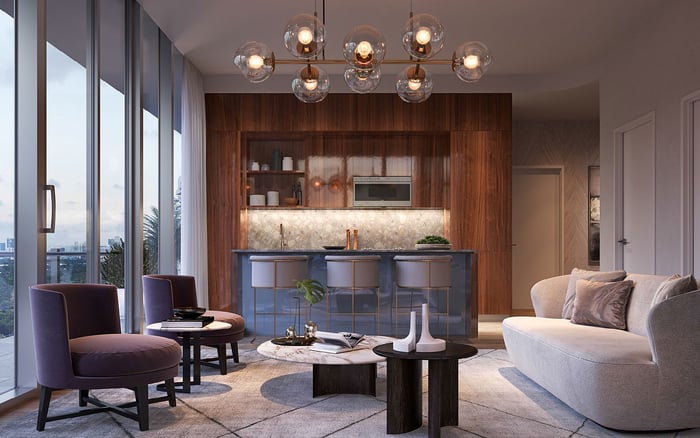
A discreet buyer’s guide for Boston households evaluating Coral Gables residences through the lens of wellness, privacy, daily rhythm, and long-term livability.
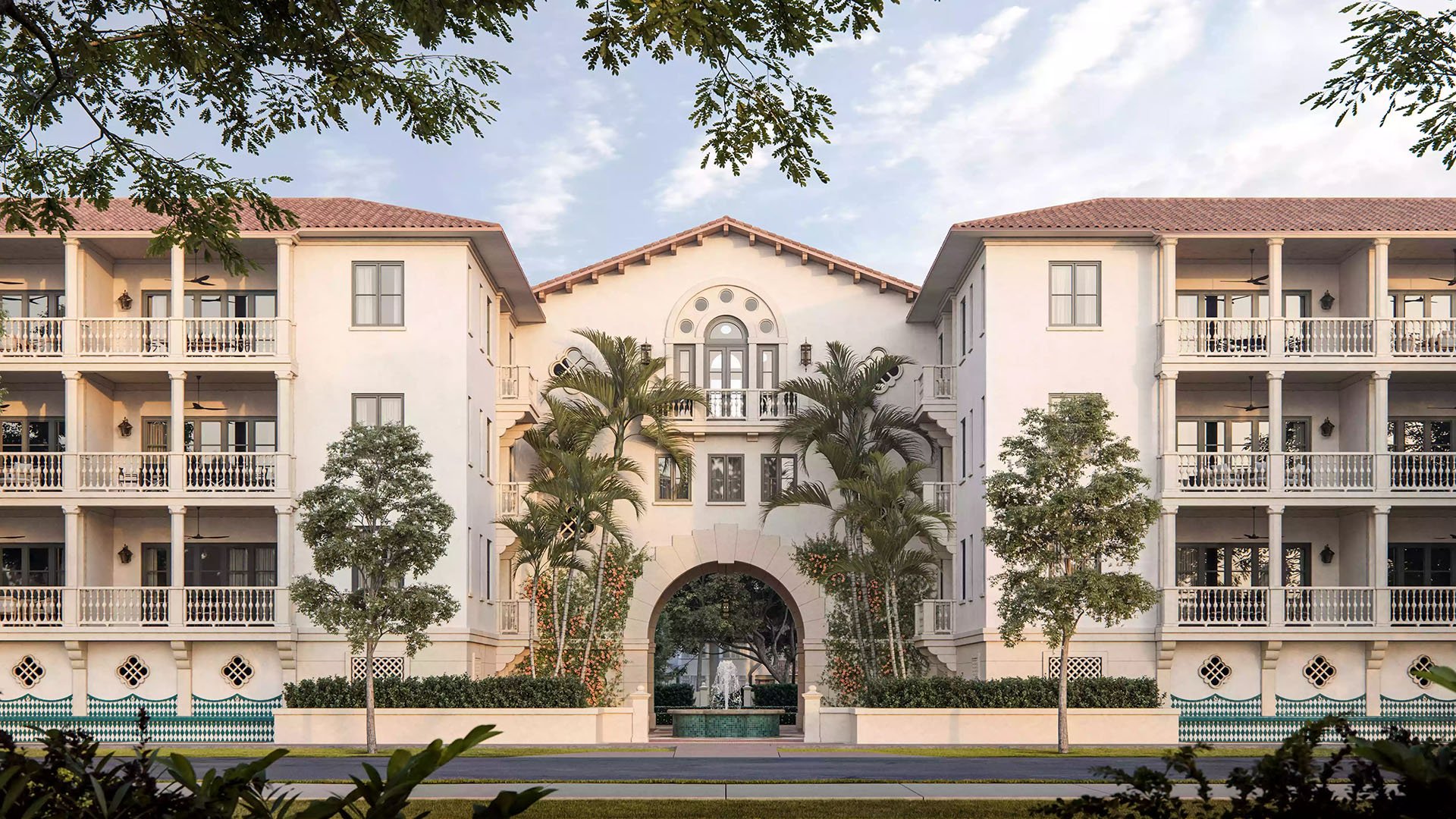
For a Boston household considering Coral Gables, the decision is rarely just about a warmer address. It is about recalibrating the rhythm of daily life: morning light, privacy after travel, room to host family, and a residence where health feels built in rather than scheduled around.
Coral Gables holds particular appeal for buyers who want South Florida without surrendering refinement. It feels composed rather than performative, with tree-lined streets, established residential character, and access to Miami’s cultural and commercial gravity without living inside its most kinetic districts. For MILLION Buyer's Guides readers, that distinction matters. The strongest moves are not simply relocations from Boston to Florida. They are upgrades in how a home supports rest, movement, work, and entertaining.
A wellness-led residence is not defined by a single amenity. It is a complete environment. At its best, it balances architecture, air, sound, sunlight, service, and the ability to maintain routines without friction.
Before choosing between a condominium, villa-style residence, or single-family alternative, define what wellness means inside your household. For one buyer, it may be a building with a serious fitness program and spa environment. For another, it may be a quiet terrace, a kitchen designed for daily cooking, and a split-bedroom plan that allows guests or adult children to visit without compromising privacy.
Boston buyers often arrive with disciplined expectations. They understand seasons, schedules, and the value of an efficient home. In Coral Gables, the goal is to translate that discipline into a softer daily experience. Ask whether the residence captures morning light without overheating the primary suite. Study how the living room opens to outdoor space. Notice whether bedrooms are protected from elevator, garage, amenity, or street noise. Wellness is often found in what you do not hear.
Residences such as Cora Merrick Park place the conversation squarely in the Coral Gables context, where buyers can evaluate the relationship between new residential design and a neighborhood known for measured elegance. Nearby options such as Ponce Park Coral Gables may also appeal to buyers who want a more address-specific lens on the Gables lifestyle.
A beautiful amenity deck cannot correct a compromised plan. Begin with the residence itself. For a primary home, favor intuitive circulation, generous storage, a practical arrival sequence, and distinct zones for sleep, work, and hosting. If you are moving from a Back Bay townhouse, a Brookline single-family home, or a Cambridge condominium, pay close attention to where your current home quietly performs well. Replicate those strengths before being seduced by resort features.
Consider how you live after 6 p.m. Do you want a formal dining room, or a more open living area that can expand for casual dinners? Do you need two private offices, or one flexible room that can become a library, wellness studio, or guest suite? A residence that reduces daily negotiation creates calm. That calm is the luxury.
For new-construction buyers, scrutinize ceiling heights, window placement, balcony depth, and the proportions of the primary suite. If outdoor living is central to the move, a narrow balcony may not be enough. Look for space that can accommodate real furniture, planting, and quiet use, not merely a view.
The choice between a boutique building and a larger full-service residence is one of the most important decisions for a Boston-to-Coral Gables buyer. Boutique properties can offer discretion, easier familiarity with staff, and a calmer residential rhythm. Larger buildings may provide more extensive amenity programs, deeper staffing, and multiple settings for fitness, entertaining, and relaxation.
Neither model is inherently superior. The right answer depends on how visible you want to be in your own building. If you value anonymity, study elevator configuration, lobby scale, guest arrival, package handling, and parking. If you host often, evaluate whether the building makes entertaining elegant or cumbersome. Service should feel seamless, not theatrical.
The Gables buyer may also compare nearby enclaves. The Village at Coral Gables can enter the discussion for those drawn to a residential setting with a more neighborhood-oriented sensibility, while The Well Coconut Grove may interest buyers who want to compare Coral Gables with Coconut Grove through a wellness-forward lens. The point is not to chase a brand name. It is to understand how each address shapes ordinary life.
A South Florida purchase can be distorted by the romance of a long weekend. The wiser exercise is to map a normal week. Where will you work? How often will you go to Brickell, Miami Beach, Coconut Grove, or the airport? Where will you dine on a Tuesday? Where will visiting family stay? Which errands must be effortless?
Coral Gables works best when its quieter rhythm aligns with the buyer’s actual schedule. If your professional life remains tied to Brickell, a Gables residence may still be ideal, but the commute pattern deserves attention before contract. If your lifestyle priority is walking to dinner, lingering over coffee, and returning to a calm home, the neighborhood may feel more natural than a skyline-driven tower district.
Tour at different times of day. Morning, late afternoon, and evening can tell different stories about traffic, light, sound, and privacy. A residence that feels serene at noon should also feel composed after dinner.
For buyers accustomed to New England homes, South Florida introduces a different maintenance mindset. The residence should be evaluated not only for beauty, but also for resilience, ease, and management. Ask how the building handles routine upkeep, storm preparation, deliveries, vendors, and owner absences. If you will divide time between Boston and Coral Gables, the lock-and-leave experience becomes central.
This is where a well-run condominium or managed residence can create meaningful peace of mind. Review association culture, staffing philosophy, rules for contractors, pet policies if relevant, and the practical steps required before travel. A wellness-led home should not create administrative fatigue.
Outdoor space also deserves scrutiny. Terraces, balconies, courtyards, and gardens can be extraordinary, but they should be manageable. The best outdoor areas invite daily use without becoming another project.
A move from Boston to Coral Gables often involves broader planning. Residency, tax treatment, estate considerations, insurance, financing, and timing should be aligned with qualified advisors before a purchase becomes emotionally inevitable. The residence may be the most visible decision, but it is not the only one.
Discretion is part of the process. High-net-worth buyers should clarify how title, privacy, ownership structure, and future resale flexibility fit into the overall plan. For some, the Coral Gables purchase is a primary home. For others, it is a second-home strategy that may evolve over time. Either way, the best purchase fits both the household and the balance sheet.
What makes a residence wellness-led? A wellness-led residence supports daily health through light, quiet, layout, privacy, outdoor space, and services that reduce friction.
Is Coral Gables a good fit for former Boston buyers? It can be, especially for buyers who want a refined residential setting with access to Miami while preserving a calmer home environment.
Should I prioritize amenities or the residence itself? Prioritize the residence first. Amenities add value, but the floor plan, light, storage, and privacy shape everyday life.
How should I compare Coral Gables with Coconut Grove? Compare the weekly rhythm, not only the architecture. Dining patterns, school needs, commutes, and outdoor habits should guide the choice.
Does Brickell still matter if I buy in Coral Gables? Yes, if your professional or social life regularly draws you there. Test commute patterns before choosing a final address.
What should second-home buyers inspect most closely? Study staffing, building management, storm preparation, vendor access, and how easily the residence can be left unattended.
Are boutique buildings better for privacy? They may be, but privacy depends on lobby design, elevator access, staff protocols, guest flow, and the overall resident culture.
How important is outdoor space? Very important if it will be used daily. Look for depth, shade potential, furniture capacity, and a comfortable relationship to interiors.
When should tax and residency advisors be involved? Early. Advisory work should begin before contracts, deposits, or timing decisions create avoidable complications.
What is the best first step for a serious buyer? Define your daily routine, advisory needs, and privacy preferences before touring, then compare only residences that support that life.
For a tailored shortlist and next-step guidance, connect with MILLION.
If branded residences are on your mind — as a home or as an allocation — we would be glad to share what we are seeing, privately.
Begin a quiet conversation