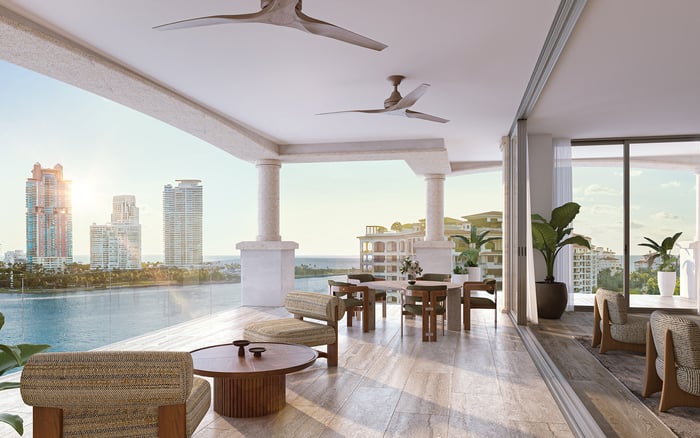
At Six Fisher Island, security due diligence belongs beside architectural review. A buyer’s audit should distinguish advertised features from documented camera coverage, operational responsibility, and the policies that preserve incident evidence.
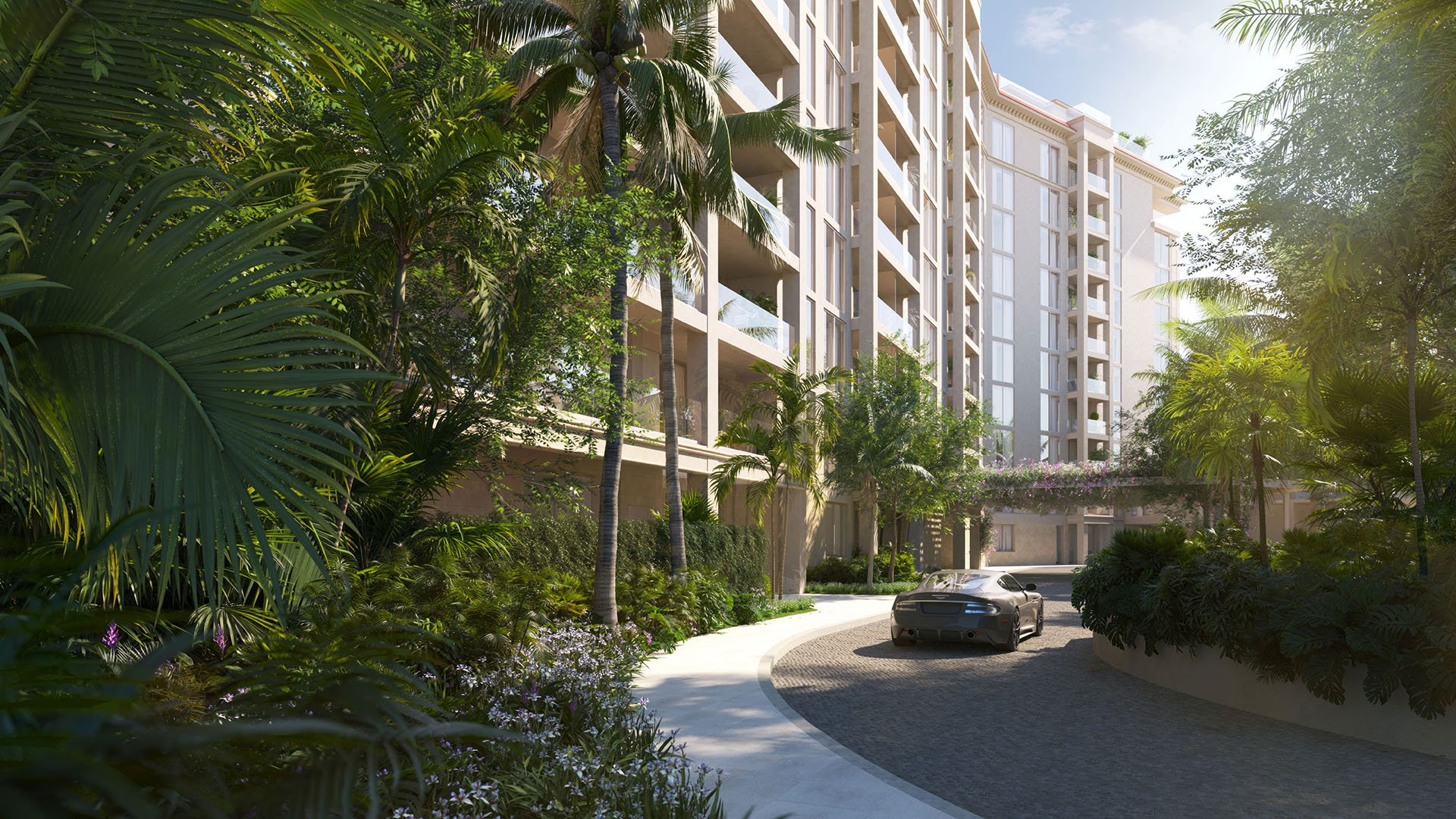
Privacy is part of Fisher Island’s appeal. For a buyer, however, a discreet arrival and a private elevator begin the security conversation; they do not conclude it. The more useful questions are whether the journey home can be documented, who is responsible at each transition, and what happens to the evidence if something goes wrong.
The Residences at Six Fisher Island is a 50-residence, 10-story condominium development on the island’s northern shoreline in Miami. Advertised features include 24-hour security, security cameras, private elevator entry for each residence, and 24/7 valet service. Its three lobbies are described as having “state-of-the-art security features.”
Those descriptions do not establish camera placement, staffing arrangements, recording duration, or completed system testing. The appropriate exercise is a documentation audit, not a finding of inadequate security. Unpublished coverage is not proof of a blind spot.
Begin by asking which security measures are proposed, installed, commissioned, and operating. These are distinct stages. A description of cameras does not establish that useful images are being recorded; 24-hour security does not establish continuous live monitoring of camera feeds.
Request a written account of staffing responsibilities, monitoring hours, escalation procedures, and the division of work between management and outside vendors. Ask who receives an alert, who decides whether to dispatch personnel, and who documents the response. Where operations have not begun, seek the intended procedures and the process for confirming readiness.
For a buyer also considering Palazzo del Sol Fisher Island, apply the same questions rather than assuming an island address means identical building-level security. Compare documented responsibilities and procedures, not unsupported rankings of protection.
Fisher Island has no bridge connection; arrival is by ferry or yacht. That access arrangement does not establish video coverage of every arrival or identify which operator controls the relevant records.
Ask management to trace the applicable journey from ferry or vessel arrival through vehicle handoff, garage access, lobby, elevator, and residence entry. At each transition, identify the responsible operator and request the corresponding camera record, access-control event, or guard log, where one exists. Do not assume the condominium controls island-level or marine-arrival records.
The advertised 24/7 valet service makes vehicle handoff a particularly useful audit point. Ask how a disputed handoff would be reconstructed and which party would preserve the relevant records. If several operators are involved, establish how requests pass between them. The objective is continuity of responsibility, not a promise that every movement is filmed.
Camera coverage of corridors, stairwells, service areas, garages, amenities, docks, and ferry approaches remains unverified in the available information. These are areas for inquiry, not identified vulnerabilities.
Request a controlled review of the camera map, recording schedule, and intended purpose of each covered zone. Ask whether coverage has been tested under the lighting and operating conditions expected there. A camera’s presence alone does not establish whether its view would be useful in an incident investigation.
Private elevator entry deserves a separate access-control discussion. Ask how credentials are authenticated, whether access events are logged, and how access is handled for visitors, contractors, service elevators, and emergency elevators. The advertised feature does not resolve those questions.
Detailed security plans may appropriately require restricted handling. Where direct disclosure is unavailable, ask whether a supervised review or a suitably limited written confirmation can address the concern without exposing sensitive layouts.
An ordinary video-retention period and an incident-preservation policy remain unestablished in the available information. Buyers should not substitute an assumed number of days for a written answer.
Request the normal recording and overwrite schedule, including whether it differs by camera or system. Then ask a separate question: what happens when an incident is reported before footage disappears? Routine storage and preservation for a potential dispute serve different purposes.
A useful written procedure should identify who receives preservation requests, who can suspend deletion, which related records are considered, and how completion is confirmed. Ask how the process addresses an incident that may lead to litigation. Counsel should assess preservation obligations in the particular circumstances.
Also request footage-access permissions, export logs, vendor responsibilities, and backup-power arrangements. Ask how outages are detected, recorded, and corrected, and whether an authorized export remains traceable after it leaves the recording system. Examine secure storage alongside retention duration, not as a secondary detail.
Footage is only one category of evidence. Request available incident logs, security-related board minutes, outage records, and claims history, subject to availability, privacy restrictions, privilege, and lawful access. Ask what period each available record covers and whether another operator holds relevant records.
This distinction matters when video has been routinely overwritten but a written incident record remains. Conversely, the absence of a disclosed incident entry does not establish that nothing occurred. A useful review considers the context and scope of the records rather than treating silence as assurance.
A buyer’s request does not create an entitlement to footage, security-sensitive plans, or historical association materials. Do not assume security video is automatically available through condominium official-records inspection. Have counsel evaluate access and preservation separately; material unavailable through an ordinary request may raise different issues in litigation discovery.
For an owner who expects to be away frequently, ask how an authorized representative can report an incident, request preservation, and receive an appropriate response. Clarify how permissions for household staff, guests, and contractors are approved and withdrawn. These are proposed audit questions, not confirmed Six Fisher Island procedures.
Privacy also deserves a distinct legal review. Florida’s F.S. § 934.03 restricts interception of protected oral communications. Ask whether cameras capture audio and whether intercom or concierge conversations are recorded, then have counsel assess the applicable requirements. Video and audio should not be treated as interchangeable.
If Palazzo della Luna Fisher Island is also on the shortlist, carry the same written questionnaire into that review without presuming shared systems or policies. Before proceeding, distinguish documented answers from pending confirmations and matters reserved for counsel. The goal is neither maximal surveillance nor absolute assurance, but a clear understanding of coverage, accountability, privacy, and evidence preservation.
For a discreet approach to your South Florida property search, connect with MILLION.
If branded residences are on your mind — as a home or as an allocation — we would be glad to share what we are seeing, privately.
Begin a quiet conversationAdvertised features include 24-hour security, security cameras, private elevator entry, and security features in all three lobbies. These descriptions do not establish completed testing or specific operating procedures.
Not necessarily. The available security description does not establish continuous live monitoring, so buyers should request written clarification of monitoring and response responsibilities.
The supplied project information does not establish actual blind spots. The absence of a published coverage map is a documentation question, not proof of inadequate coverage.
No. Buyers should ask which operator is responsible at each arrival transition and what camera, access-control, or guard records exist.
Ask how credentials are authenticated, whether access events are logged, and how visitor, contractor, service, and emergency access is managed. Private entry alone does not answer these questions.
The provided project materials do not establish an ordinary retention period. Request the recording and overwrite schedule in writing rather than assuming a specific duration.
Routine retention governs ordinary storage and deletion, while an incident hold addresses preservation of relevant evidence. Ask who can suspend deletion and how a preservation request is confirmed.
Request available incident logs, security-related board minutes, outage records, and claims history. Access remains subject to availability, privacy restrictions, privilege, and applicable law.
A request does not itself establish an entitlement to footage or sensitive security plans. Counsel should evaluate the applicable access rules and any separate litigation-related issues.
Florida’s F.S. § 934.03 restricts interception of protected oral communications. Ask whether audio or intercom conversations are recorded and have counsel assess the applicable requirements.